
Last updated: August 23, 2026

Quick Answer
The average mold inspection cost runs between $300 and $1,000, with most homeowners paying around $671 for a professional assessment. Skip it, and you could face mold remediation cost anywhere from $1,500 for a small bathroom patch to $20,000 or more for a whole-home infestation that has been quietly spreading inside walls and ductwork for years.
Key Takeaways
- The national average mold inspection cost sits around $300 to $1,000, with $671 being a commonly cited midpoint for a full professional inspection
- Mold testing cost (lab analysis of air or surface samples) adds $30 to $150 per sample on top of the base inspection fee
- Mold remediation cost ranges from $1,500 for minor surface mold to $20,000 or more for large-scale infestations behind walls or in HVAC systems
- A standard home inspection does not include mold testing; you need a separate certified mold inspector
- Most homeowners insurance policies do not cover mold inspection costs and often exclude mold remediation unless the cause was a covered sudden event
- Black mold in a house (Stachybotrys chartarum) typically costs more to remediate because of containment and disposal requirements
- Buyers under contract should request a mold inspection before closing, especially in homes with water damage history, older HVAC systems, or signs of mold in a house
- Sellers in most states face mold disclosure requirements; hiding known mold can expose you to legal liability after closing
- You can sell a house with mold, but it almost always requires either remediation or a significant price reduction
- Air sample mold test cost runs $25 to $75 per sample for lab processing, separate from the inspector's fee
Mold Inspection Cost: $671 to Dodge a $20,000 Bill
The mold inspection cost question is one of the most searched real estate topics for a reason: nobody warns you about it until you are already under contract, your earnest money is on the line, and the inspector just used the word "remediation" in a sentence. So here are the real numbers.
National average mold inspection cost: $300 to $1,000
| Inspection Type | Typical Cost Range |
|---|---|
| Visual-only inspection (small home) | $200 to $400 |
| Full inspection with air sampling (average home) | $400 to $800 |
| Large home or multi-story inspection | $700 to $1,200 |
| Commercial property mold inspection | $500 to $3,000+ |
| Air sample mold test cost (per sample, lab only) | $25 to $75 |
| Surface swab test (per sample, lab only) | $30 to $100 |
The $671 figure represents a mid-range professional inspection on a typical 1,500 to 2,500 square foot home that includes a visual walkthrough, two to four air samples, and a written report. Inspectors in high-humidity markets like Florida, Louisiana, or the Pacific Northwest often charge at the higher end of these ranges.
Mold testing cost and mold inspection cost are not the same thing. The inspection is the professional's time and expertise. The testing is the lab fee for analyzing what they collected. Many inspectors bundle both; some quote them separately. Always ask what is included before you book.
For buyers weighing the full scope of what a home inspection can reveal, the Mastering Property Inspections: The Ultimate Real Estate Guide covers every inspection type you should know about before closing.
How Much Does Mold Remediation Cost If You Skip the Inspection
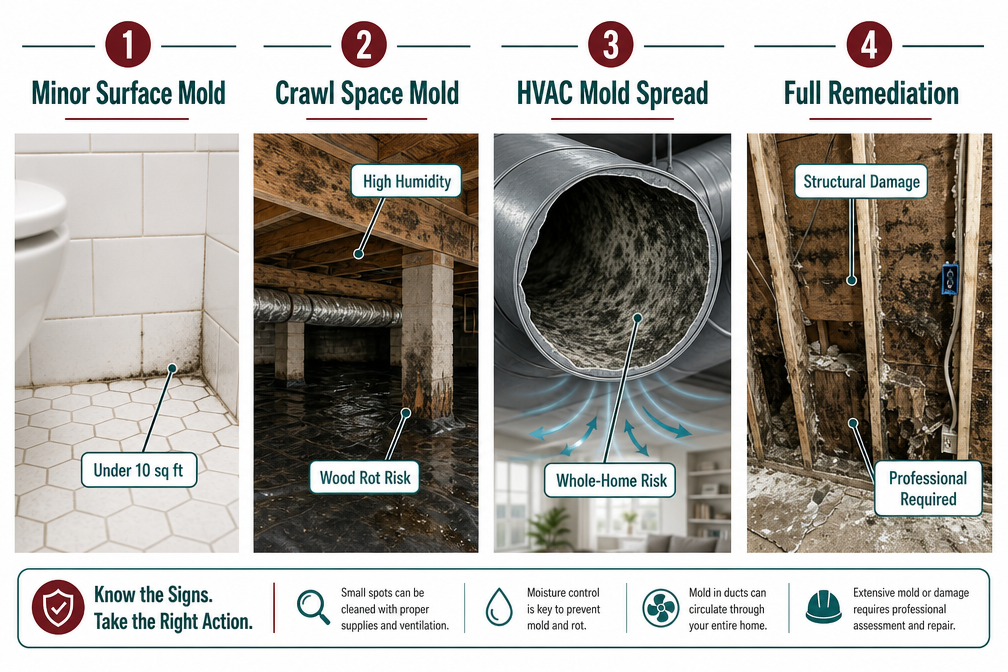
Mold remediation cost scales directly with how long the mold has been growing and how much of the home it has reached. A small surface patch caught early costs around $1,500. A whole-house problem that went undetected for two or three years can run $15,000 to $30,000 or more.
Remediation cost by scope:
- Surface mold under 10 square feet (bathroom grout, small ceiling stain): $500 to $1,500, often DIY-able with proper safety gear
- Single room remediation (bedroom, basement section): $1,500 to $5,000
- Crawl space or attic mold: $3,000 to $10,000 depending on square footage and wood damage
- HVAC system contamination: $3,000 to $10,000 for duct cleaning and treatment
- Whole-home or structural mold: $10,000 to $30,000+
- Black mold in a house (Stachybotrys): add 20% to 30% to any of the above for containment and disposal
The math is so clear it almost writes itself: a $671 inspection that catches a crawl space problem early saves you the $7,000 to $10,000 remediation bill that would have landed in your lap six months after closing. That is not a hypothetical. It is the scenario that plays out in thousands of home purchases every year.
Sellers should also read up on spring home selling mistakes that cost you $40K+ because skipping a pre-listing mold check is one of the most expensive errors a seller can make.
What Is Included in a Professional Mold Inspection
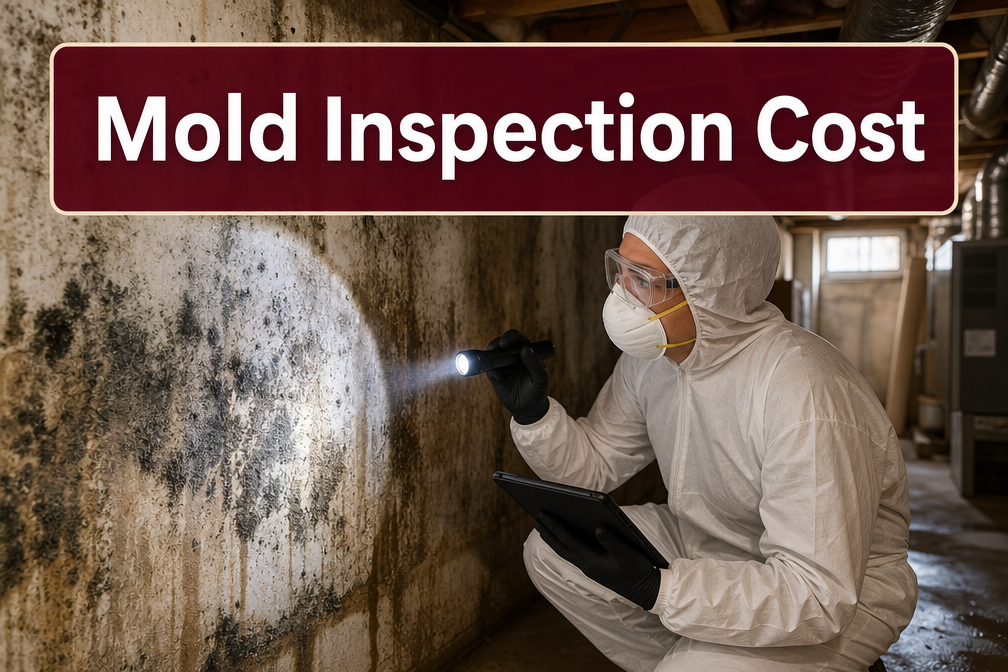
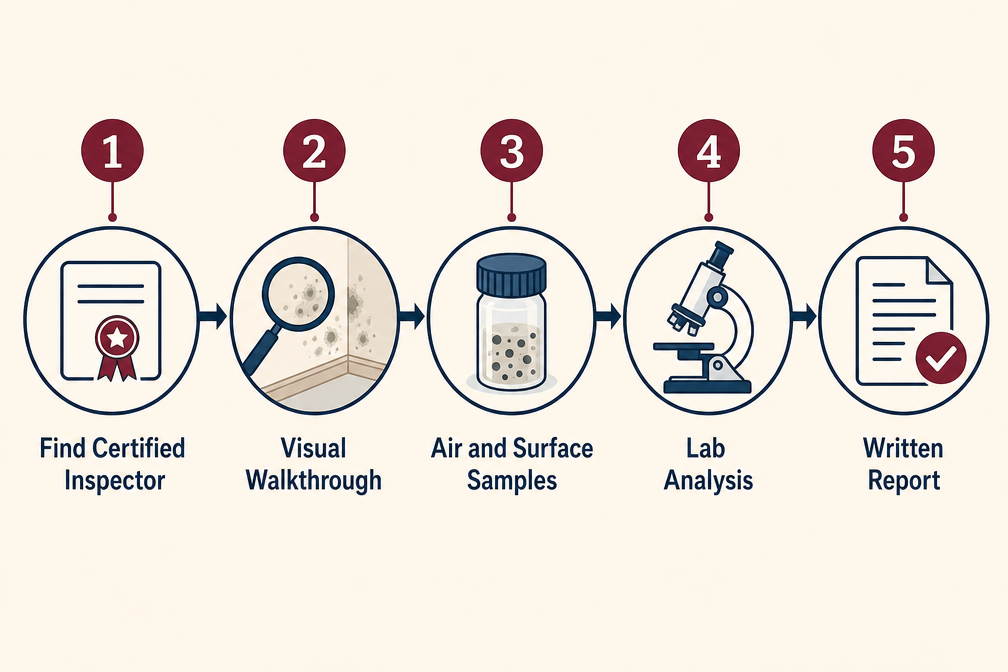
A professional mold inspection is more than a guy with a flashlight. A certified inspector follows a documented process that covers what you can see and what you cannot.
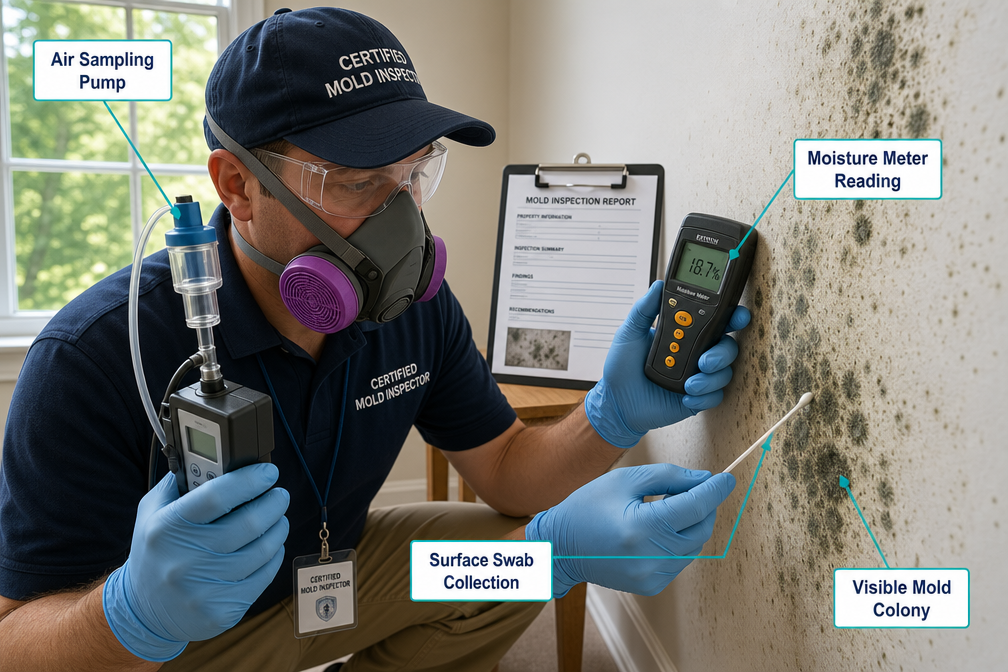
Standard inclusions in a professional mold inspection:
- Visual walkthrough of all accessible areas: basement, attic, crawl space, bathrooms, kitchen, laundry room, and around windows
- Moisture readings using a calibrated meter on walls, floors, and ceilings
- Air sampling using a pump that collects airborne spores for lab analysis (typically 2 to 4 samples: one outdoor baseline, two to three indoor)
- Surface swab or tape-lift samples from visible growth areas
- HVAC inspection for visible mold on coils, in ducts, or around air handlers
- Written report with findings, lab results, and remediation recommendations
What is NOT included: actual remediation, post-remediation clearance testing (that is a separate inspection after the work is done), or testing inside sealed walls without cause.
The difference between mold inspection vs mold test is worth knowing cold. A mold inspection is the physical assessment by a trained professional. A mold test is the lab analysis of collected samples. You can order a DIY mold test kit at a hardware store for $10 to $50, but those kits only tell you mold is present somewhere in the air, not where it is, how much there is, or what species. A certified inspector gives you actionable location data.
Can You Do a DIY Mold Inspection Instead of Hiring Someone
For a quick sanity check, yes. For a real estate transaction or a health concern, no.
DIY mold test kits from hardware stores cost $10 to $50 and involve leaving a petri dish open in a room for 48 hours, then mailing it to a lab. The problem: mold spores exist in virtually every indoor environment, so a positive result tells you almost nothing. A negative result on a cheap kit does not mean your crawl space is clean.
When DIY is reasonable:
- You see a small spot on bathroom grout and want to confirm it is mold before cleaning it
- You are a landlord doing a routine check on a vacant unit with no visible damage
- You want a baseline reading in a home you already own with no active concerns
When you need a certified professional:
- You are buying a house and want protection before closing
- The home has a history of flooding, roof leaks, or plumbing failures
- Someone in the household has respiratory symptoms with no clear cause
- You smell something musty but cannot find the source
- The home has signs of mold in a house that are visible but the extent is unknown
For buyers specifically, a mold inspection before buying a house is one of the few contingency-period expenses that has a clear, calculable return. If mold is found, you can negotiate remediation credits, ask the seller to fix it before closing, or walk away with your earnest money intact if your contract includes an inspection contingency.
Signs You Need a Mold Inspection
Most mold problems announce themselves before they become catastrophic. The signs of mold in a house fall into three categories: visual, sensory, and circumstantial.
Visual signs:
- Dark spots or staining on walls, ceilings, or grout (black, green, gray, or white)
- Peeling or bubbling paint, especially in bathrooms or near windows
- Warped or discolored wood in basements, crawl spaces, or attics
- Rust staining around pipes or HVAC components
Sensory signs:
- Persistent musty or earthy smell that does not go away with ventilation
- Occupants experiencing unexplained allergy symptoms, headaches, or respiratory irritation indoors
Circumstantial signs:
- The home has had a roof leak, flooding, or burst pipe at any point
- The home sat vacant for an extended period
- The HVAC system has not been serviced in several years
- The home is in a high-humidity climate or has a crawl space without a vapor barrier
If two or more of these apply to a home you are buying or selling, schedule a mold inspection. Waiting to see if the smell goes away is how a $2,000 problem becomes a $12,000 problem.
Does Homeowners Insurance Cover Mold Inspection Costs
Most standard homeowners insurance policies do not cover mold inspection costs, and mold remediation coverage is heavily restricted.
Here is how it actually works. If mold results from a sudden, covered event, like a burst pipe that is repaired quickly, some policies will cover remediation as part of the water damage claim. If the mold developed gradually from a slow leak, poor ventilation, or deferred maintenance, most policies will deny the claim outright because they classify it as a maintenance issue.
What insurance typically does NOT cover:
- The cost of the mold inspection itself
- Remediation caused by long-term moisture or humidity problems
- Mold in crawl spaces or basements attributed to groundwater seepage
- Pre-existing mold discovered after purchase
What may be covered:
- Remediation directly tied to a sudden covered water event (broken pipe, appliance malfunction)
- Mold that developed as a direct result of a covered roof damage claim
Some insurers offer mold endorsements as add-on coverage for an additional premium. If you live in a high-humidity market, it is worth asking your agent about it. For a deeper look at what property insurance actually covers, the homeowners insurance vs rental property insurance cost and coverage guide breaks down the fine print.
How Long Does a Mold Inspection Take
A standard professional mold inspection takes two to four hours for an average-sized home. Larger homes, homes with extensive crawl spaces or attics, or properties with significant visible mold may take four to six hours.
Lab results for air and surface samples typically come back within three to five business days, though rush processing is available from most labs for an additional $25 to $75 per sample. The written report from the inspector usually follows within 24 to 48 hours of receiving lab results.
Timeline breakdown:
- On-site inspection: 2 to 4 hours
- Lab processing: 3 to 5 business days (standard) or 1 to 2 days (rush)
- Written report delivery: 1 to 2 days after lab results
If you are under contract with a 10-day inspection period, book the mold inspector within the first two days. Waiting until day seven leaves no room for lab turnaround and no time to negotiate if something is found.
What Happens If Mold Is Found During Inspection
Finding mold during an inspection is not a deal-killer. It is a negotiating event.
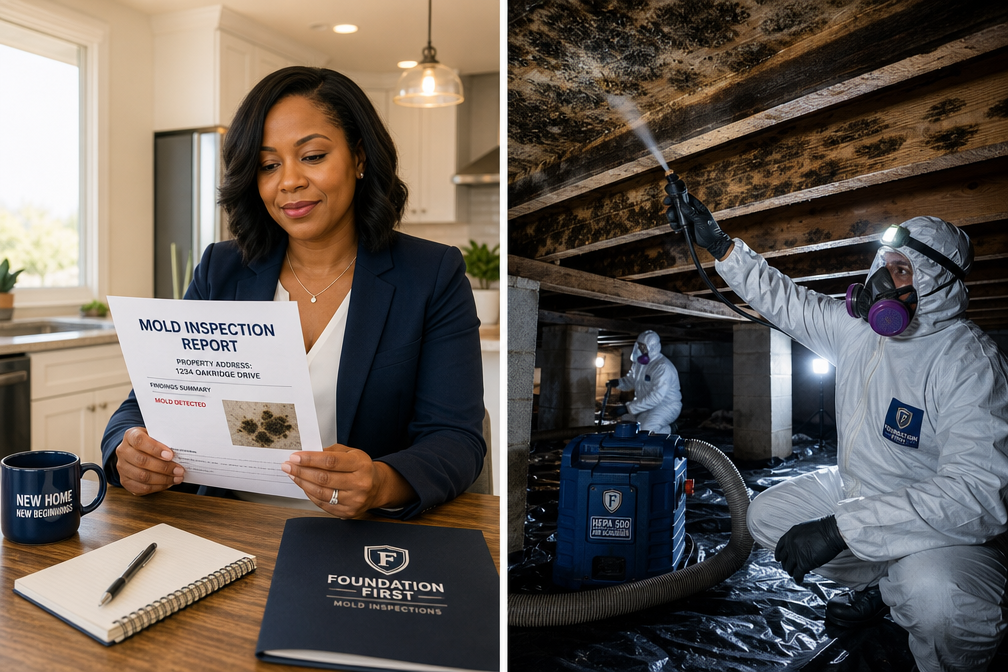
For buyers: Once you have a written mold inspection report showing the location, type, and estimated remediation scope, you have three options. You can ask the seller to remediate before closing, request a price reduction equal to the remediation estimate, or walk away if the contract includes an inspection contingency. Most sellers prefer to negotiate rather than restart the listing process.
For sellers: If mold is found during a buyer's inspection and you did not disclose it, you are in a difficult position. Most states have mold disclosure requirements that require sellers to disclose known mold issues. Failing to disclose known mold can result in post-closing legal action. Thorough documentation of any prior remediation work is your best protection.
Can you sell a house with mold? Yes. Homes with mold sell every day. The options are remediate before listing, disclose and price accordingly, or sell as-is to a cash buyer at a discount. What you cannot do in most states is sell a house with known mold without disclosing it. The mold disclosure requirements vary by state, but the trend across the country is toward more disclosure, not less.
For sellers thinking through everything that affects their net proceeds, the seller closing costs guide is worth reading alongside any remediation estimates.
Who Pays for Mold Inspection
Who pays for mold inspection depends on the stage of the transaction and the negotiation.
Buyers typically pay for mold inspections ordered during the inspection contingency period. This is standard practice and is considered part of the buyer's due diligence cost, similar to a general home inspection or radon test.
Sellers who order a pre-listing mold inspection to get ahead of buyer negotiations pay for it themselves. This is a smart move that experienced listing agents often recommend in high-humidity markets or on older homes, because it removes the unknown from the equation.
Negotiated credits: If a buyer's mold inspection finds a problem, the buyer can request that the seller cover the remediation cost, provide a closing credit, or reduce the purchase price. Whether the seller also reimburses the inspection fee is a negotiating point, not a standard practice.
Landlords and investors ordering inspections on rental properties or investment acquisitions pay out of pocket. That cost is generally deductible as a business expense, but confirm with your tax professional.
How to Find a Certified Mold Inspector Near You
Not every person who calls themselves a mold inspector has the credentials to back it up. Two certifications are worth knowing.
IICRC (Institute of Inspection, Cleaning and Restoration Certification): The gold standard for water damage and mold remediation professionals. Look for the Applied Microbial Remediation Technician (AMRT) or Water Damage Restoration Technician (WRT) credentials.
ACAC (American Council for Accredited Certification): Issues the Council-certified Indoor Environmentalist (CIE) and Council-certified Microbial Consultant (CMC) designations, which are specifically focused on indoor air quality and mold.
How to vet an inspector:
- Ask for their certification number and verify it on the issuing organization's website
- Confirm they carry errors and omissions (E&O) insurance
- Ask whether they also do remediation work. An inspector who also sells remediation services has a financial incentive to find problems. Many states are moving toward requiring separation between inspection and remediation businesses
- Request a sample report so you know what you are getting before you pay
- Check Google and Yelp reviews specifically for accuracy of findings, not just friendliness
Your real estate agent, home inspector, or lender can usually provide a referral. The property inspections resource hub at Real Estate Rank IQ also covers how to evaluate inspection professionals across multiple specialties.
What Causes Mold and How to Prevent Needing an Inspection
Mold needs three things: moisture, a food source (wood, drywall, insulation), and temperatures between 40 and 100 degrees Fahrenheit. Remove the moisture and you remove the mold risk.
Most common causes of residential mold:
- Roof leaks that go undetected or unrepaired
- Plumbing leaks inside walls or under slabs
- Poor bathroom and kitchen ventilation
- Crawl spaces without vapor barriers
- HVAC condensation issues, especially in humid climates
- Flooding or storm water intrusion
- Homes that sat vacant without climate control
Prevention that actually works:
- Keep indoor humidity below 50% (a $20 hygrometer tells you where you stand)
- Run exhaust fans in bathrooms for at least 20 minutes after showers
- Inspect and clean gutters twice a year to prevent roof edge water intrusion
- Install a vapor barrier in crawl spaces if one is not present
- Have HVAC coils and drain pans inspected annually
- Fix any roof, window, or plumbing leaks within 24 to 48 hours of discovery
Buyers who want to prevent expensive surprises after closing should also look at sustainable home design moves that actually pay off, which covers ventilation and moisture management upgrades that reduce long-term maintenance costs.
Is Mold Inspection Worth the Money
For a home purchase, the mold inspection cost is almost always worth it. The math is straightforward: a $400 to $800 inspection either confirms the home is clean (peace of mind with a paper trail) or reveals a problem you can negotiate on before you own it.
The cases where it is most worth it:
- Any home built before 1980 with original plumbing or roofing
- Homes in Florida, the Gulf Coast, Pacific Northwest, or any high-humidity market
- Homes with a crawl space, especially unencapsulated ones
- Any home with a disclosed or visible history of water damage
- Homes that have been vacant or foreclosed
The cases where it is less urgent:
- A newly constructed home with a builder's warranty and no moisture history
- A condo on an upper floor with no history of leaks
- A home in an arid climate with no basement or crawl space
Even in the lower-risk cases, if the general home inspector flags any moisture reading above 16% on a wood surface, order the mold inspection. That single data point from a $500 general inspection has just told you something is worth investigating.
For buyers using financing, lenders sometimes require mold remediation before they will fund a loan if mold is visible in the appraisal photos. That is a separate complication worth knowing about before you waive contingencies. Understanding your full financing picture is covered in the HELOAN vs HELOC guide for buyers considering equity-based financing options.
Frequently Asked Questions
How much does a mold inspection cost on average?
The average mold inspection cost runs $300 to $1,000 for a residential property, with most homeowners paying around $671 for a full inspection that includes visual assessment, air sampling, and a written report. Larger homes and commercial properties cost more.
What is the difference between mold inspection and mold testing?
A mold inspection is the physical walkthrough and assessment by a certified professional. Mold testing refers to the lab analysis of air or surface samples collected during the inspection. Mold testing cost adds $25 to $150 per sample on top of the inspector's fee. Many inspectors bundle both; always confirm before booking.
Does homeowners insurance cover mold inspection or remediation?
Most standard policies do not cover mold inspection costs. Remediation may be covered if mold resulted directly from a sudden covered event like a burst pipe, but gradual moisture problems are typically excluded. Check your policy's mold endorsement section or ask your agent.
Can you sell a house with mold?
Yes, but mold disclosure requirements in most states require you to disclose known mold to buyers. Sellers can remediate before listing, price the home to reflect the issue, or sell as-is to a cash buyer. Failing to disclose known mold creates legal exposure after closing.
Who pays for mold inspection in a real estate transaction?
Buyers typically pay for mold inspections ordered during the inspection contingency period. Sellers who order pre-listing inspections pay out of pocket. Remediation costs are negotiated between buyer and seller based on inspection findings.
How long does a mold inspection take?
On-site inspection takes two to four hours for an average home. Lab results for samples return in three to five business days. The full written report is typically delivered within one to two days of lab results coming back.
What are the signs of mold in a house?
Dark spots on walls or ceilings, peeling paint, musty odors, unexplained respiratory symptoms in occupants, warped wood, and any history of water damage or flooding are the primary signs. Two or more of these together warrant a professional inspection.
How much does mold remediation cost?
Mold remediation cost ranges from $500 to $1,500 for small surface mold, $1,500 to $5,000 for a single room, $3,000 to $10,000 for crawl spaces or HVAC systems, and $10,000 to $30,000 or more for whole-home or structural mold. Black mold in a house typically adds 20% to 30% to remediation costs.
What is air sample mold test cost?
Air sample mold test cost runs $25 to $75 per sample for lab processing, separate from the inspector's fee. Most inspections include two to four samples (one outdoor baseline plus two to three indoor readings). Rush lab processing adds $25 to $75 per sample.
How often should you get a mold inspection?
There is no universal schedule. Most homeowners do not need routine annual inspections unless they live in a high-humidity climate or have had prior mold issues. Inspect after any water event (flooding, roof leak, burst pipe), before buying a home, and any time musty odors or visible staining appear.
Is a DIY mold test kit accurate enough?
DIY kits are useful for confirming mold is present in a general area, but they cannot tell you the species, concentration, location, or extent of growth. For a real estate transaction or a health concern, a certified professional inspection is the only option that gives you actionable data.
What are mold disclosure requirements for sellers?
Most U.S. states require sellers to disclose known material defects, and mold qualifies in virtually every state. Some states (California, Texas, New York, and others) have specific mold disclosure forms. Sellers who remediated past mold should document the work and disclose both the original issue and the remediation.
Conclusion
The mold inspection cost conversation is one of the most underrated parts of a real estate transaction. A few hundred dollars spent during the inspection contingency period is one of the few places in a home purchase where the math is heavily in the buyer's favor: you either confirm the home is clean or you get leverage to negotiate a problem you did not create.
Actionable next steps:
- If you are under contract, book a certified mold inspector within the first two days of your inspection period, not the last two
- Ask your general home inspector for moisture readings on all wood surfaces; anything above 16% is a flag worth following up on
- Sellers: order a pre-listing mold inspection on any home with a crawl space, prior water damage history, or age over 25 years before you list
- Confirm your inspector holds IICRC or ACAC certification and does not also sell remediation services
- Review your homeowners insurance policy for mold endorsement options before you need them
- If mold is found, get two remediation quotes before accepting any seller credit, so you know the number is real
The $671 inspection is not a cost. It is the price of knowing what you are buying before you own it.