

Are you a landlord trying to figure out how much to charge for rent? Setting the right rental price is crucial for covering your property costs, making a profit, and attracting good tenants.

But with so many factors to consider, it can feel overwhelming to land on the perfect number.
Did you know the average asking rent in the US is around $1,900 per month? Of course, this varies a lot depending on where your property is located. This comprehensive guide will walk you through everything you need to know to confidently set your rental rate.
From using the 1% rule to analyzing market trends and factoring in property features, you’ll have all the tools to price your rental just right. Ready to become a rent-setting pro?
Key Takeaways
- Setting the right rental price is crucial for landlords to cover property costs, make a profit, and attract good tenants. The average asking rent in the US is around $1,900 per month, but this varies depending on the property’s location. Landlords can use the 1% rule (monthly rent should be 1% of the property’s value) and 2% rule (monthly rent should be 1-2% of the purchase price) as starting points for determining rent.
- Analyzing comparable properties, examining property characteristics and amenities, understanding local rent control laws, considering seasonality and market demand, and assessing financial needs and expenses are essential factors in setting rent accurately. Online tools like Zillow Rent Estimate, Rentometer, RentRange, and property management software can help determine appropriate rent prices.
- To calculate rent accurately, landlords can apply the 1% rule, use the price per square foot method (monthly rent divided by total square footage), and utilize online rent estimation tools like Zillow Rental Manager and Rentometer Pro. These tools provide insights into local market trends and help set competitive rental rates.
- Strategies for adjusting rent include keeping up with market trends by regularly analyzing comparable properties, implementing periodic rent increases of 2-5% while complying with local rent control laws and providing ample notice to tenants, and offering rent concessions such as free rent for the first month or waiving certain fees to attract tenants and boost occupancy rates.
How Much Should I Charge For Rent?
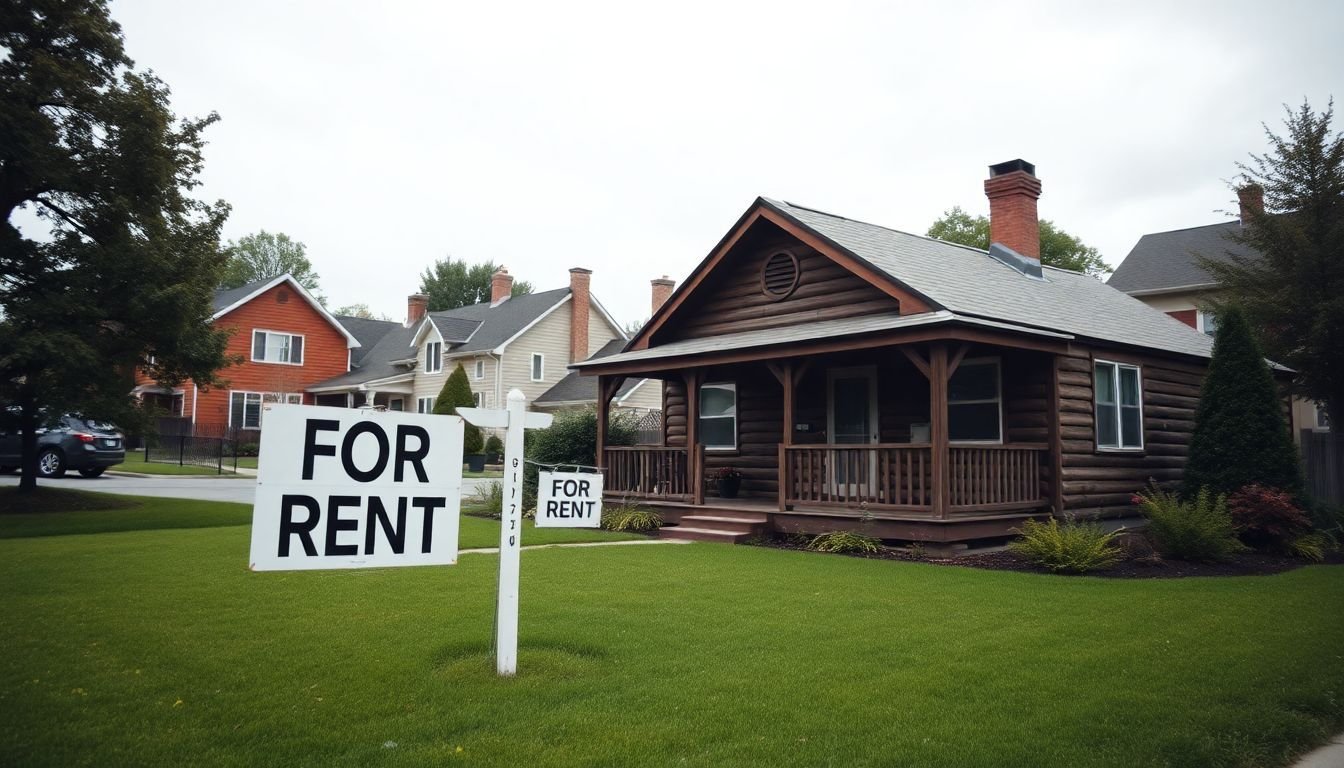
Setting the right rental price is crucial for your success as a landlord. You can use the 1% and 2% rules or online tools to determine an appropriate rent amount.
Setting the Right Rental Price: Importance and Overview
Setting the right rental price is crucial for your success as a landlord. Price your property too high, and you risk longer vacancy periods and lost income. Charge too little, and you leave money on the table while attracting less-qualified tenants.
To maximize your rental earnings and minimize vacancies, you need to find that sweet spot that aligns with market demand and your financial goals.
In the rental market, price is king. Get it right, and you’ll reign supreme with steady income and quality tenants. – Jay Hernandez, Chief Editor and Licensed Real Estate Broker
To determine the optimal rent, start by analyzing comparable properties (rental comps) in your area. Look at factors like square footage, amenities, location, and condition. Online tools like Zillow Rent Estimate and Rentometer can provide helpful insights.
Also, consider your property’s unique features, local rent control laws, and seasonal demand fluctuations. By carefully weighing these elements, you can arrive at a competitive rental rate that attracts reliable tenants and ensures a profitable investment.
Using 1% and 2% Rules for Rental Calculations
Transitioning from the importance of setting the right rental price, let’s explore two popular methods for calculating rent: the 1% and 2% rules. These guidelines provide a starting point for determining a fair and profitable rental rate.
The 1% rule suggests that monthly rent should be approximately 1% of the property’s value. For example, if your home is worth $300,000, you would charge around $3,000 per month. However, you may need to adjust this percentage based on local market conditions, typically ranging from 0.8% to 1.1%.
The 2% rule, on the other hand, states that the monthly rent should be at least 1-2% of the property’s purchase price. This approach helps ensure that your rental income covers your mortgage payments, taxes, insurance, and other expenses.
While these rules offer a helpful framework, it’s crucial to consider additional factors, such as comparable properties, amenities, and location, to fine-tune your rental rate. Online tools like Zillow’s Rent Zestimate and Rentometer can also assist in determining a competitive price for your specific property.
Tools for Determining Appropriate Rent
Determining the appropriate rent for your property is crucial to attract tenants and maximize your rental income. Several tools can help you set the right rental price:
- Zillow Rent Zestimate: This online tool provides an estimated rent price based on your property’s location, size, and features. It analyzes comparable properties in the area to give you a ballpark figure.
- Rentometer: Enter your property’s address, number of bedrooms, and monthly rent to see how it compares to similar rentals in the neighborhood. Rentometer offers a quick and easy way to gauge the competitiveness of your rental rate.
- RentRange: This comprehensive tool provides detailed rental market analysis, including rent estimates, market trends, and demographic data. It helps you make data-driven decisions when setting your rental price.
- Local Rent Comps: Research rental listings for properties similar to yours in the same area. Look at their amenities, square footage, and monthly rent to get a sense of the going rate.
- Property Management Software: Platforms like AppFolio and Buildium offer rental market insights and pricing tools as part of their property management solutions. These can be especially helpful if you manage multiple rental properties.
- Real Estate Agents: Consult with local real estate agents who specialize in rental properties. They have expert knowledge of the rental market and can provide valuable advice on pricing your property competitively.
Using a combination of these tools will give you a well-rounded understanding of the appropriate rent to charge for your property. Remember to also consider your property’s unique features and amenities when setting the rental rate.
Next, let’s explore the essential factors that influence rental pricing.
Essential Factors in Setting Rent
Setting the right rental price involves analyzing several key factors. You need to examine comparable properties, property characteristics, local laws, seasonality, and your financial needs.
Analyzing Comparable Properties and Market Trends
To set a competitive rental price, analyze comparable properties in your area. Look at homes with similar square footage, bedrooms, bathrooms, and amenities. Tools like Zillow Rental Manager and Rentometer can help you find comparable rentals and their prices.
Pay attention to the condition and location of these properties, as they can impact rent.
Stay ahead of the curve by regularly reviewing market trends and adjusting your rental rates accordingly. – Jay Hernandez, Chief Editor and Licensed Real Estate Broker
Keep an eye on market trends to ensure your rental rate remains competitive. If demand for rentals in your area is high, you may be able to charge more. However, if there’s an oversupply of rental units, you might need to lower your price to attract tenants.
Regularly review rental listings and adjust your price based on market conditions. This will help you maximize your rental income while minimizing vacancy periods.
Examining Property Characteristics and Amenities
After researching comparable properties and market trends, take a closer look at your rental’s unique features and amenities. These characteristics play a significant role in determining the appropriate rent price.
On-site facilities like swimming pools, gyms, and parking services can boost your rental’s appeal and justify higher rates. In-unit perks such as outdoor spaces, air conditioning, and spacious storage areas also add value.
Generally, properties with more amenities command higher rents, while those lacking modern features or updates may need to charge less to attract tenants. For instance, adding a pool or advanced security measures could allow you to increase the rent.
By carefully evaluating your rental’s specific attributes and comparing them to similar properties, you can set a competitive price that reflects the true value of your offering.
Understanding Local Rent Control Laws
In addition to examining your property’s characteristics and amenities, it’s crucial to understand local rent control laws when setting rental rates. Rent control regulations vary by state and municipality, limiting how much landlords can charge for rent and how much they can increase it each year.
For example, California has statewide rent control since January 1, 2020, capping annual increases at 5% plus the cost of living, with a maximum of 10%. New York has rent stabilization laws and a Maximum Base Rent (MBR) system that’s reviewed every two years.
New Jersey limits rent increases to 2%-6%, depending on the municipality, while Oregon has a statewide cap, with the 2025 rent increase limit set at 10%.
Before setting your rental rate, check with your local housing authority or a real estate attorney to understand the specific rent control laws in your area. These laws may dictate the maximum rent you can charge based on factors like the age of your property, the number of units, and the location.
Some cities also have vacancy control laws that limit how much you can increase rent between tenants. Failing to comply with rent control regulations can result in legal penalties, so it’s essential to stay informed and adhere to these laws when determining your rental rate.
Tools like Zillow’s Rent Zestimate and Rentometer can help you estimate fair market rent for your property while staying within legal limits.
Considering Seasonality and Market Demand
Seasonality and market demand play crucial roles in determining the optimal rent for your property. Peak rental seasons, typically during the summer months, witness a surge in demand for rental units, allowing you to potentially charge higher rent.
Conversely, the winter months often experience a decline in rental demand, with fewer prospective tenants actively seeking new homes. To attract quality tenants during the off-season, you may need to adjust your rental rates accordingly.
By staying attuned to these seasonal fluctuations and adapting your pricing strategy, you can maximize your rental income while minimizing vacancy periods. Online tools like Zillow Rental Manager and Rentometer can provide valuable insights into current market trends and help you set competitive rates.
As you navigate the dynamic landscape of rental pricing, remember to strike a balance between optimizing your returns and maintaining a fair and attractive rent for your tenants. With a strategic approach to seasonality and market demand, you’ll be well-equipped to thrive as a landlord in any season.
Assessing Financial Needs and Expenses
After considering seasonality and market demand, it’s crucial to assess your financial needs and expenses as a landlord. Your rental income should cover your mortgage payments, property taxes, insurance premiums, and any employee or vendor costs.
Zillow’s Rent Zestimate tool can help you estimate the fair market rent for your property based on comparable rentals in your area.
To ensure profitability, aim for a rental rate that covers all your expenses and provides a reasonable return on investment. Bankrate’s Rental Property Calculator can help you determine if your rental income will exceed your costs.
Remember to factor in maintenance and repair expenses, which can range from 1% to 3% of your property value annually. By thoroughly assessing your financials, you can set a competitive rent that attracts tenants while meeting your investment goals.
Calculating Rent Accurately
Calculating rent accurately is crucial for landlords to ensure they charge a fair price while still making a profit. Several methods exist to help you determine the right rental rate for your property, such as the 1% rule, price per square foot, and online rent estimation tools.
Application of the 1% Rule
The 1% rule is a quick way to estimate if a rental property will be profitable. Here’s how it works: take the property’s value and multiply it by 1%. The result is the minimum monthly rent you should charge to cover your mortgage payment.
For example, if a property is worth $300,000, you’d need to charge at least $3,000 per month in rent to meet the 1% rule.
Keep in mind that the 1% rule is just a guideline. It doesn’t account for all the expenses of being a landlord, like property taxes, insurance, and maintenance costs. But it’s a useful tool to help you quickly assess whether a property has the potential to be a good investment.
If the rent you can charge is higher than the 1% figure, that’s a good sign. If it’s lower, you may want to keep looking for a better deal.
Price Per Square Foot Method
Another approach to calculating rent is the price per square foot method. You can find the price per square foot by dividing the monthly rent by the total square footage of the property.
This method helps you compare rental rates for similar properties in your area. When using this method, consider factors like location, amenities, and the condition of the property.
Regularly review and adjust your rental rates to stay competitive in the market. If you have multiple properties, this method can help you standardize your pricing based on square footage.
As a tenant, you can also use this method to see if a rental property is priced fairly for its size and features.
Utilizing Online Rent Estimation Tools
Online rent estimation tools simplify the process of determining fair rental prices for your property. These digital resources provide valuable insights into local market trends and comparable rental rates.
- Zillow Rental Manager offers a comprehensive rental income calculator that considers factors like property size, location, and amenities to estimate an appropriate rental price for your property.
- Rentometer Pro is another powerful tool that analyzes rental data from various sources to provide accurate rent estimates based on your property’s specific characteristics and local market conditions.
- Craigslist and Facebook Marketplace are excellent platforms to gain real-time insights into current rental prices in your area, allowing you to compare your property with similar listings and adjust your rental rate accordingly.
- Renters Warehouse provides a Free Rental Analysis service conducted by experienced local real estate professionals who thoroughly assess your property and provide personalized rental price recommendations based on their expertise and market knowledge.
- These online tools not only save you time and effort in researching rental prices but also ensure that you set a competitive and fair rental rate that attracts quality tenants and maximizes your rental income potential.
- By leveraging the data and insights provided by these rent estimation tools, you can make informed decisions about your rental property and avoid the risk of overpricing or underpricing your rental unit.
- Regularly monitoring rental prices using these online resources allows you to stay up-to-date with market fluctuations and adjust your rental rates as needed to remain competitive and profitable in the long run.
- While online rent estimation tools provide valuable guidance, it’s essential to use them in conjunction with your own research and judgment, taking into account the unique features and benefits of your rental property.
Strategies for Adjusting Rent
To maximize your rental income, stay on top of market trends, implement periodic rent increases, and consider offering rent concessions. By employing these strategies, you can ensure your rental rates remain competitive and attractive to potential tenants.
Keep reading to learn more about how to effectively adjust your rent and boost your rental profits.
Keeping Up with Market Trends
To stay competitive and maximize your rental income, you must keep a pulse on the ever-changing market trends. Regularly analyze comparable properties in your area, noting their amenities, square footage, and rental rates.
Online tools like Zillow, Rentometer, and Apartments.com can provide valuable insights into current market conditions. By understanding what renters are willing to pay for similar homes, you can adjust your prices accordingly to attract quality tenants and avoid lengthy vacancies.
As a savvy landlord, adapt to seasonal fluctuations in rental demand. In many markets, summer months see higher demand and allow for increased rental rates, while winter months may require lower prices or special promotions to entice renters.
Stay informed about local economic factors, such as job growth, population shifts, and new developments, which can all impact the rental market. By staying attuned to these trends, you can make data-driven decisions about when to raise or lower rent, ensuring your investment property remains profitable and competitive.
Implementing Periodic Rent Increases
Keeping up with market trends is crucial for maximizing your rental income. Implementing periodic rent increases is a strategic way to ensure your rental rates align with the current market.
Here are some key strategies for implementing periodic rent increases:
- Research local rent control laws and regulations to ensure compliance with legal requirements for rent increases, such as notice periods and percentage caps.
- Analyze market trends and comparable properties annually to determine if a rent increase is warranted based on factors like demand, inflation, and property improvements.
- Consider raising rent by a modest percentage, typically between 2-5%, to minimize tenant turnover and maintain a positive relationship with renters.
- Provide tenants with ample notice, at least 30-60 days, before implementing a rent increase to allow them time to budget or make alternative arrangements if necessary.
- Communicate rent increases in writing, clearly explaining the reasons for the adjustment and expressing appreciation for the tenant’s continued residency.
- Time rent increases strategically, such as at the end of a lease term or during peak rental seasons, to minimize vacancy and maximize acceptance of the new rate.
- Offer incentives or concessions, like free parking or upgraded amenities, to soften the impact of a rent increase and encourage tenant retention.
- Be open to negotiation with long-term, reliable tenants who may request a smaller rent increase or a gradual phasing in of the new rate over time.
- Maintain accurate records of rent increases, including the amount, effective date, and communication with tenants, to protect yourself legally and track rental income growth.
- Regularly evaluate your rental rates and adjust as needed to ensure you’re charging a fair and competitive price that optimizes your rental income and attracts quality tenants.
Providing Rent Concessions
Offering rent concessions can be a smart strategy to attract tenants and boost occupancy rates. You might consider providing incentives like free rent for the first month, reduced rent for a limited time, or waiving certain fees.
Upgrading units with new appliances or offering premium parking spots at no extra cost can also sweeten the deal for potential renters.
Clearly document the terms of any rent concessions in the lease agreement to avoid confusion down the line. This approach can help you fill vacancies faster and reduce turnover costs in the long run, but be sure to crunch the numbers to ensure it makes financial sense for your rental business.
As you fine-tune your rental pricing strategy, keep an eye on market trends and be ready to adjust your approach as needed.
Conclusion
Setting the right rental price is crucial for your success as a landlord. You can use the 1% rule, analyze comparable properties, and consider property characteristics to determine a fair rent.
Online tools like Zillow’s Rent Zestimate and Rentometer can help you calculate accurate rates. By keeping up with market trends and making strategic adjustments, you’ll attract quality tenants and maximize your rental income.
FAQs
1. How do I determine how much rent to charge for my property?
To calculate the right rental rate, consider factors like the national average rent, demand for rental properties in your area, and local rent control laws. You may also want to consult with a property manager or review comparable rental rates for similar properties nearby.
2. Can I charge whatever rental rate I want for my investment property?
While you have some flexibility in setting a rental rate, you can’t necessarily choose any price you desire. States have rent control regulations that limit how much you can charge in rent and how much you can increase the rent over time.
3. Should I charge rent solely based on my mortgage payment?
No, deciding what to charge for rent should involve more than just covering your mortgage. You’ll need to factor in other expenses like property taxes, insurance, maintenance costs, and the going rate for similar rentals in your area.
4. What if I want to charge less rent than what’s typical in my area?
As a landlord, you may want to charge less than the average rent in your area to attract tenants or for personal reasons. However, keep in mind that your rental income could affect your ability to cover property expenses and earn a profit.
5. How does the amount of rent I charge impact my ability to find tenants?
The rent you charge your tenants plays a significant role in attracting renters. If you charge too much, you may struggle to find tenants to rent your home. On the other hand, if your rental rate is too low, potential tenants may question the quality or condition of your property.
6. What else should I consider when setting a rental rate?
In addition to the factors already mentioned, consider the amenities and unique features of your property, the condition of your rental, and your target renter demographic. It’s also wise to budget for vacancies and have a plan for late or missed rent payments. Setting the right rental rate is key to successfully managing a profitable rental property.
References
- https://www.rentalpropertypros.com/how-much-should-i-charge-for-rent-a-guide-to-setting-the-right-rental-price/ (2024-04-10)
- https://theclose.com/how-much-you-should-charge-for-rent/
- https://www.rwmaryland.com/blog/setting-the-perfect-rent-price-through-analyzing-rental-market-trends (2024-09-24)
- https://www.rentseattle.com/blog/analyzing-local-rental-market-trends-setting-the-perfect-rent-price
- https://www.sciencedirect.com/science/article/pii/S1051137724000020
- https://www.mysmartmove.com/blog/how-much-charge-for-rent
- https://smartasset.com/mortgage/how-much-you-should-charge-for-rent (2024-09-19)
- https://www.investopedia.com/terms/o/one-percent-rule.asp
- https://www.mashvisor.com/blog/rental-rate-calculator/
- https://www.rwmaryland.com/blog/using-online-rental-tools-simplifying-rent-estimation (2024-10-22)
- https://www.biggerpockets.com/blog/how-much-to-charge-for-rent (2023-09-21)
- https://www.rpoaonline.org/page/kb-mastering-rent-increases-a-landlords-guide
- https://www.rentana.io/blog/rent-concession
For more agent tools, tutorials, and resources, visit the Agent Resources Hub.