

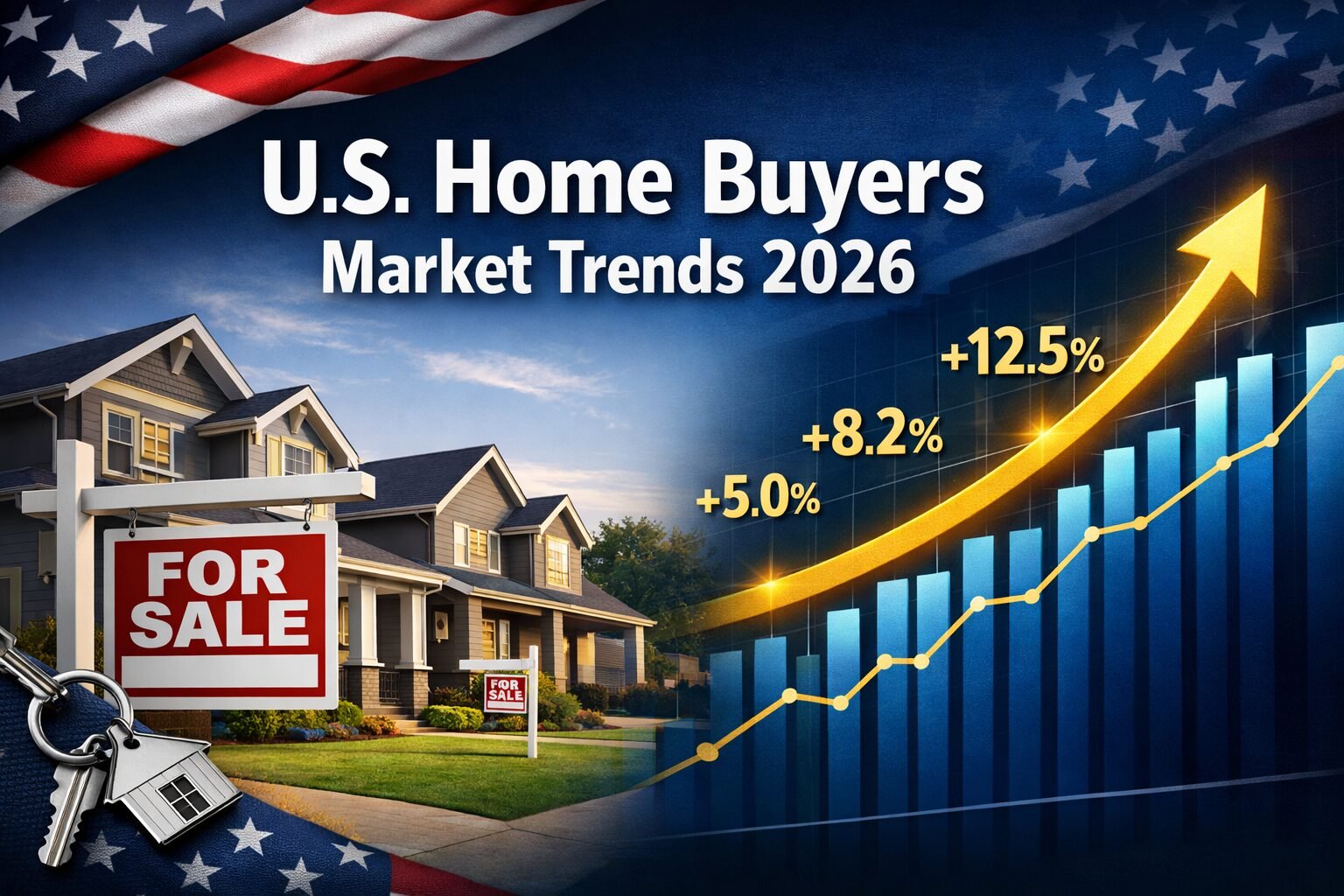
The housing market isn’t crashing—it’s recalibrating. After years of extraordinary price surges and inventory droughts, U.S home buyers market trends in 2026 are painting a picture that’s equal parts relief and reality check. Mortgage rates hovering near 6%, inventory climbing (but still playing catch-up), and buyers finally gaining a sliver of negotiating power—this isn’t your pandemic-era bidding war circus anymore. Let it cook, because what’s brewing is a market that’s actually starting to make sense again.

Whether you’re a first-time buyer wondering if now’s your moment, an agent recalibrating your playbook, or an investor hunting for the next opportunity, understanding these U.S home buyers market trends isn’t optional—it’s your competitive edge. Real Estate Rank IQ breaks down the data, the drama, and the decisions shaping 2026’s housing landscape.
Key Takeaways
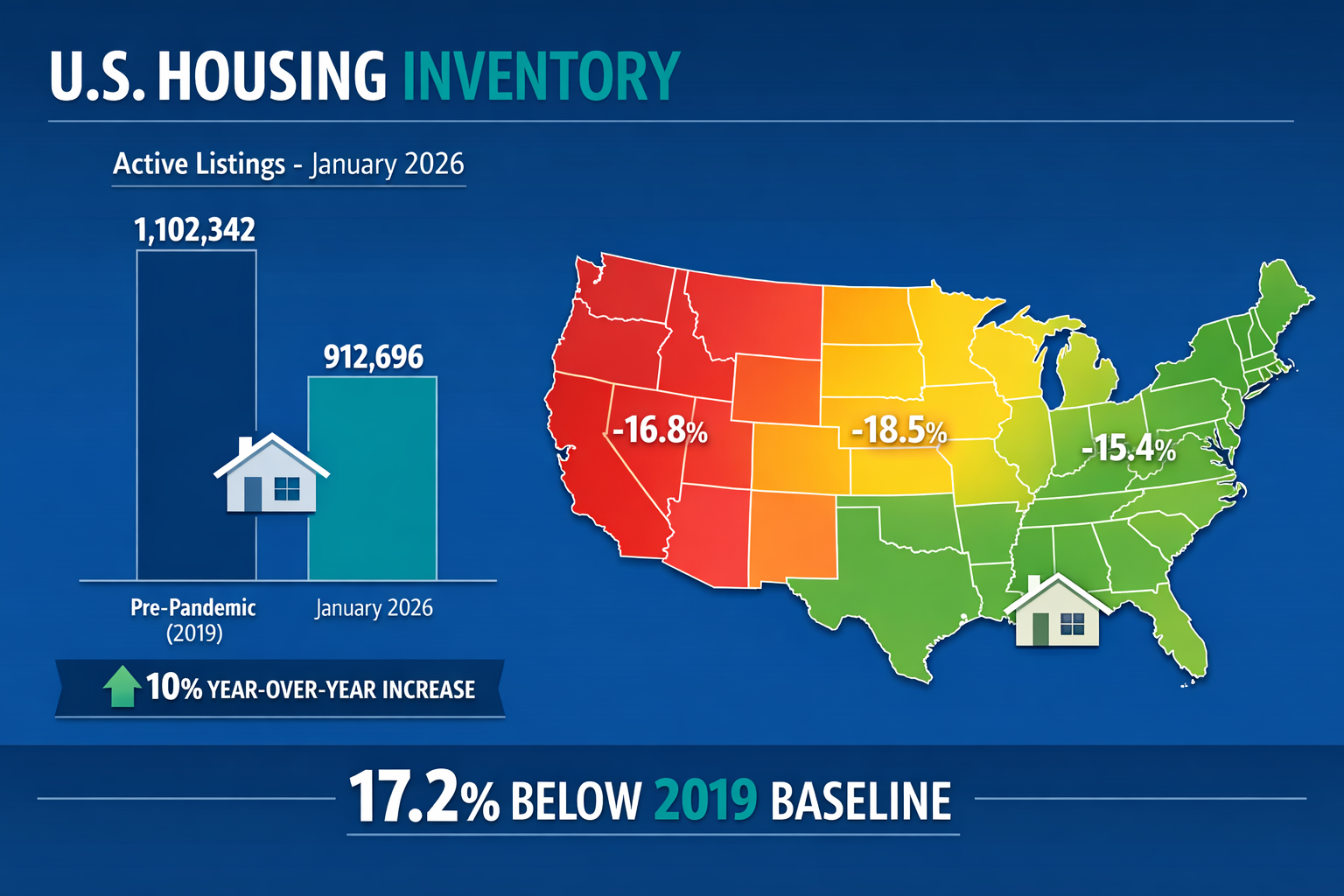
- Inventory is rising but still scarce: Active listings jumped 10% year-over-year to 912,696 in January 2026, yet remain 17.2% below pre-pandemic levels[1]
- Mortgage rates near 6% are fueling demand: Applications surged 25-30% above last year, though pending sales dipped slightly due to affordability barriers[5]
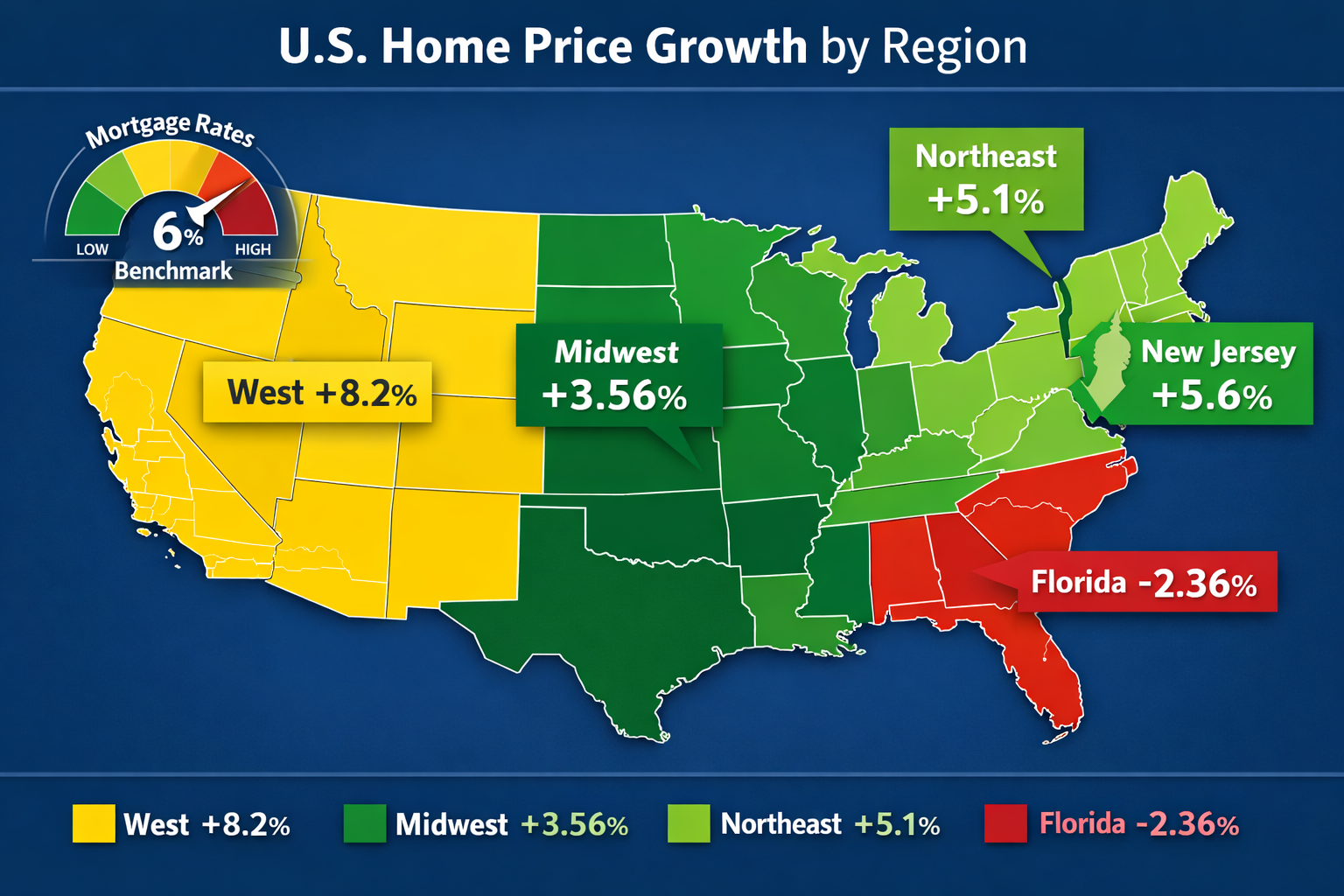
- Regional disparities are widening: The Midwest leads with 3.56% price growth while Florida sees -2.36% declines, creating fresh opportunities for strategic buyers[2]
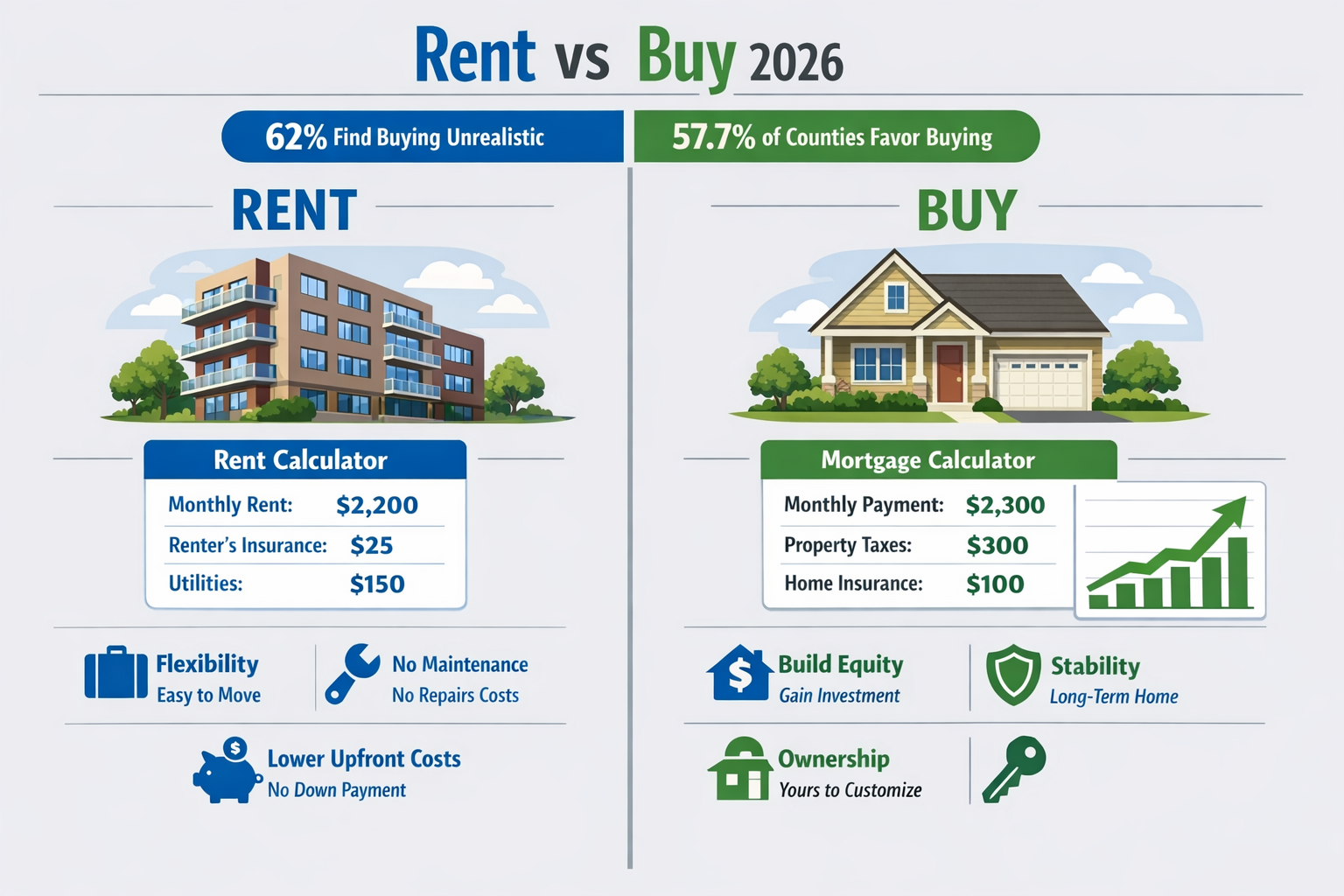
- Renting vs. buying math is shifting: Buying beats renting in 57.7% of U.S. counties, especially in the Midwest and South, but 62% of Americans still view homeownership as unrealistic in 2026
- New regulations are reshaping transactions: FinCEN’s Residential Real Estate Reporting Rule (effective March 1, 2026) requires disclosure of non-financed transfers to combat money laundering[3]
The State of U.S Home Buyers Market Trends in 2026: Inventory, Rates, and Reality
Inventory Growth: Progress, Not Victory 📊
Let’s address the elephant in the room: housing inventory is improving, but we’re not exactly swimming in options. January 2026 data shows active listings hit 912,696—a solid 10% bump from last year[1]. That’s fresh news for buyers who’ve spent years fighting over scraps. But here’s the catch: we’re still sitting 17.2% below pre-pandemic norms, and that growth rate has been slowing for nine consecutive months.
What does this mean for you? If you’re a buyer, expect more choices than 2024-2025, but don’t expect a buffet. Sellers who’ve been gatekeeping their properties are slowly entering the market, nudged by life changes and the realization that waiting for 3% rates is about as realistic as finding a unicorn in your backyard.
For agents, this inventory trend demands a recalibrated approach to market analysis and buyer guidance. The days of listing anything and watching offers flood in are fading—impeccable marketing and strategic pricing matter again.
Mortgage Rates: The 6% Sweet Spot
Mortgage rates dancing around 6% might not sound sexy compared to the 3% glory days, but in 2026, they’re the best thing buyers have seen in three years[4]. This has triggered a 25-30% surge in mortgage applications compared to last year’s anemic levels[5]. Buyers who sat on the sidelines are finally testing the waters, armed with about $30,000 more in purchasing power than they had 12 months ago, according to Zillow analysts.
But here’s where it gets interesting: despite these improved rates, pending home sales actually fell 0.8% month-over-month in January 2026[4]. Weather played a role (winter always does), but the bigger story is affordability. Even at 6%, many buyers are stretched thin, especially in high-cost markets where price corrections have been minimal.
The National Association of Realtors (NAR) predicts 550,000 new buyers will enter the market in 2026, driving a 14% increase in sales and a modest 4% price bump[10]. Lawrence Yun’s optimism is so based—but Bright MLS’s Lisa Sturtevant offers a reality check: this is a “reset, not a rebound.” Translation? Don’t expect fireworks; expect functional.
For a deeper dive into how stable rates are reshaping strategies, check out our analysis of 2026 real estate trends and rate impacts.
Regional Disparities: Where Winners and Losers Emerge 🗺️
U.S home buyers market trends in 2026 are anything but uniform. The Midwest is flexing with an average 3.56% price appreciation—markets like New Jersey are up 5.6%[2]. Meanwhile, Florida’s seeing a -2.36% decline as the Sunshine State’s post-pandemic boom deflates under insurance costs and oversupply.
This regional split creates extraordinary opportunities for savvy investors and buyers willing to look beyond coastal hype. The data center boom driving Sun Belt real estate is real, but so is the correction in overheated markets.
Key regional insights:
| Region | Average Price Growth | Notable Trends |
|---|---|---|
| Midwest | +3.56% | Affordability attracting buyers; steady demand |
| Northeast | +2.8% (est.) | New Jersey +5.6%; urban revival in select metros |
| South | Mixed | Florida -2.36%; Texas holding steady |
| West | Flat to slight decline | California cooling; inventory improving |
Cotality warns that while lower rates are boosting activity, they could also signal economic cooling—a double-edged sword that might introduce volatility later in the year[2].
Rent vs. Buy in 2026: The Math, the Mindset, and the Market
The Affordability Equation
Here’s a stat that’ll make you think twice: buying is cheaper than renting in 57.7% of U.S. counties for three-bedroom homes. In places like Peoria, Illinois, homeownership costs just 14.5% of median wages versus 22.4% for renting. The Midwest and South dominate this list, while the West Coast remains stubbornly expensive.
Yet, despite these numbers, 62% of Americans consider buying a home in 2026 “unrealistic”—up from 49% in 2025 (IPX1031 survey, February 2026). Why the disconnect? Three words: down payment barriers. Even if monthly payments pencil out, scraping together 10-20% down in a market where median prices still hover near all-time highs is a Herculean task for many.
For those navigating this challenge, our guide on top down payment strategies offers actionable paths forward—from FHA loans to creative financing.
When Renting Makes Sense 🏢
Let’s keep it real: renting isn’t failure; it’s strategy. In 2026, renting offers:
- Flexibility: No commitment to a 30-year anchor when job markets and life plans are fluid
- No maintenance headaches: Broken HVAC? That’s the landlord’s problem
- Lower upfront costs: Move-in costs vs. down payment + closing costs isn’t even close
- Market timing optionality: Wait out volatility without being locked into a depreciating asset
For young professionals, frequent movers, or those in uncertain job situations, renting is the smart play. The rent vs. buy decision for 2026 isn’t binary—it’s deeply personal.
When Buying Wins 🏡
Conversely, buying shines when:
- You’re planting roots: 5+ year time horizon in a stable market
- Equity building matters: Rent is dead money; mortgage payments build wealth
- Tax benefits apply: Mortgage interest and property tax deductions (consult your CPA)
- Rates and inventory align: 2026’s conditions are imperfect but workable in many markets
The psychological component is real, too. Homeownership provides stability, control, and the freedom to paint your walls neon green if that’s your vibe (please don’t, but you could).
For first-timers, our first-time home buyer resources walk through every step—from credit prep to closing day.
Navigating U.S Home Buyers Market Trends: Strategies for Buyers, Sellers, and Agents
For Buyers: Play Smart, Not Desperate 🎯
The 2026 buyer playbook looks different than 2021’s chaos:
- Get pre-approved early: Rates near 6% won’t last forever; lock in your budget with a solid lender
- Target inventory-rich markets: Midwest and select Northeast metros offer better value and less competition
- Negotiate everything: Seller concessions are back on the table—use our spring negotiation tactics guide to maximize savings
- Avoid FOMO: Inventory is rising; rushing into a bad deal because “rates might rise” is yesterday’s mindset
- Understand new regulations: FinCEN’s rule means more transparency in all-cash deals—know what’s required[3]
Pro tip: Condos are experiencing a market slump due to rising HOA fees. If you’re flexible on property type, detached homes offer better long-term value in many markets.
For Sellers: Price Right or Sit Tight 💰
Sellers in 2026 face a sobering truth: your home isn’t worth what Zillow said in 2022. Price growth has slowed to 0.7% year-over-year nationally, with regional variation[2]. Here’s how to win:
- Price competitively from day one: Overpricing leads to stale listings and price cuts—neither screams “desirable”
- Invest in presentation: Sustainable home design features and smart upgrades boost appeal
- Market aggressively: Professional photos, virtual tours, and targeted digital marketing aren’t optional—they’re essential. Our 60-day home selling plan walks through every detail
- Consider concessions: Offering to cover closing costs or buy down rates can seal deals in competitive inventory environments
Avoid these mistakes: Don’t skip kitchen upgrades that don’t pay off. Focus on high-ROI improvements that buyers actually value.
For Agents: Adapt or Get Left Behind 📈
The U.S home buyers market trends in 2026 demand agents level up their game:
- Master hyperlocal data: Generic market reports won’t cut it—use AI tools to analyze local markets with precision
- Embrace tech: Marketing automation platforms and AI-driven lead generation separate top producers from the pack
- Educate clients: Buyers and sellers need context on rates, inventory, and regional trends—position yourself as the expert
- Diversify income: Explore commercial real estate lead generation or investment consulting as residential markets normalize
Real talk: The agents thriving in 2026 aren’t the ones waiting for the market to “get back to normal.” They’re the ones adapting to the new normal with fresh strategies and impeccable client service.
Regulatory Changes: What You Need to Know 📋
FinCEN’s Residential Real Estate Reporting Rule, effective March 1, 2026, is a game-changer for all-cash transactions[3]. Any non-financed transfer to an LLC, trust, or similar entity now requires detailed reporting to combat money laundering. This affects:
- Investors using entities for purchases
- Sellers receiving all-cash offers
- Agents facilitating these transactions
Compliance isn’t optional. Familiarize yourself with the requirements or partner with legal professionals who understand the nuances. For more on regulatory shifts, explore our coverage of new real estate laws in 2026.
Conclusion: The Great Housing Reset Is Here—Are You Ready?
The U.S home buyers market trends in 2026 aren’t about boom or bust—they’re about balance. Inventory is improving (slowly), rates are workable (if not ideal), and regional opportunities are emerging for those paying attention. Whether you’re buying your first home, selling to upgrade, or building your real estate portfolio, this market rewards strategy over speculation.
Your next steps:
- Assess your local market: National trends matter, but your ZIP code tells the real story
- Run the numbers: Use calculators, consult lenders, and understand your budget before falling in love with a property
- Partner with experts: Whether it’s a seasoned agent, a sharp lender, or a savvy CPA, surround yourself with pros who know 2026’s landscape
- Stay informed: Bookmark Real Estate Rank IQ for ongoing market analysis, investment strategies, and actionable insights from licensed brokers with 15+ years in the trenches
The housing market isn’t waiting for permission to evolve—and neither should you. Let’s make 2026 the year you stop watching from the sidelines and start making moves that matter.
Questions? Insights? Reach out to Real Estate Rank IQ at news@realestaterankiq.com or subscribe to our YouTube channel @Realestaterankiq for video breakdowns of the latest trends.
References
[1] January 2026 Data – https://www.realtor.com/research/January-2026-data/
[2] Us Home Price Insights March 2026 – https://www.cotality.com/insights/articles/us-home-price-insights-march-2026
[3] All Cash All Eyes On You What The New 2026 Fincen Rule – https://lucas-real-estate.com/all-cash-all-eyes-on-you-what-the-new-2026-fincen-rule/
[4] January Pending Home Sales Activity Shows Moderate Decline – https://themortgagepoint.com/2026/02/19/january-pending-home-sales-activity-shows-moderate-decline/
[5] The Next 60 Days Will Have A Huge Impact On The 2026 Housing Market – https://www.theeducatedhomebuyer.com/blog/-the-next-60-days-will-have-a-huge-impact-on-the-2026-housing-market/
[10] Housing Market Set For A 2026 Comeback Nar Predicts – https://www.nar.realtor/magazine/real-estate-news/economy/housing-market-set-for-a-2026-comeback-nar-predicts













Comments 6