
Last updated: July 20, 2026

Only 17% of individual investors who say they want to buy a rental property actually close on one within two years, not because the deals aren't there, but because they never had a clear plan. This guide fixes that. Learning how to buy your first rental property step by step is less about finding the perfect deal and more about building the right foundation before you ever make an offer.
Quick Answer
Buying your first rental property step by step means securing financing first, analyzing cash flow before making an offer, completing thorough due diligence, and closing with a clear management plan in place. Most first-time investors need a minimum of 15-25% down, a credit score of at least 620 (ideally 680+), and enough reserves to cover 3-6 months of expenses. The process takes 60-120 days from pre-approval to closing for most buyers.
Key Takeaways
- First-time rental property buyers typically need 15-25% down on a conventional investment loan, compared to 3-5% for a primary residence (Fannie Mae guidelines, 2024).
- A credit score of 620 is the minimum for most investment property loans, but scores of 680+ get meaningfully better rates (Experian, 2024).
- The 1% rule (monthly rent should equal at least 1% of purchase price) is a quick filter, not a final analysis, always run a full cash flow calculation.
- Single-family homes are easier to finance and manage for first-time investors; small multifamily (2-4 units) generates more income but requires more capital and experience.
- Property management companies typically charge 8-12% of monthly rent, which must be factored into every deal analysis.
- Rental property owners can deduct mortgage interest, depreciation, repairs, insurance, and property management fees from taxable income (IRS Publication 527).
- An LLC is not required to buy a rental property, but it may offer liability protection worth discussing with a real estate attorney before closing.
Rental Property vs Primary Residence: What's Actually Different
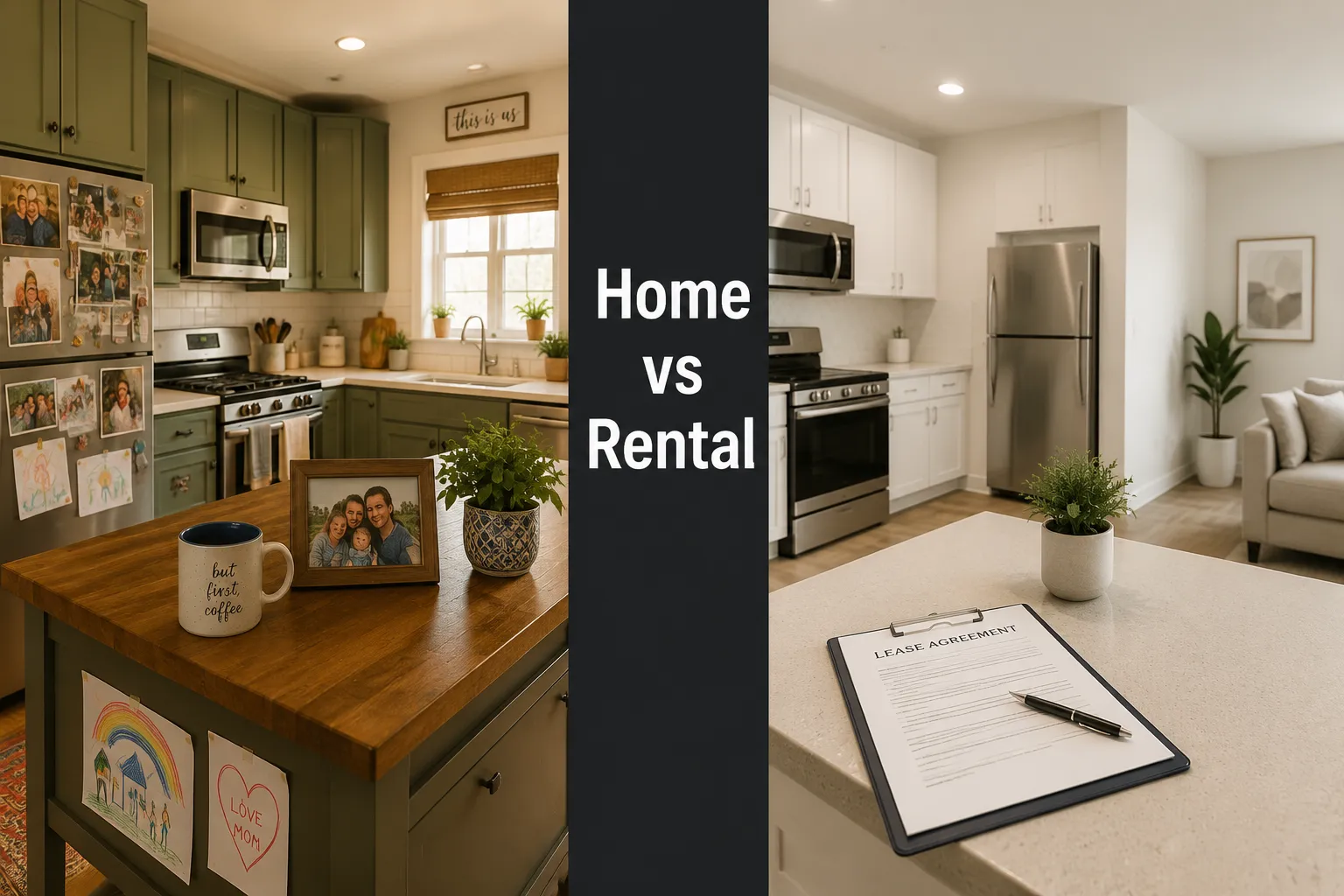
Buying a rental property is not the same process as buying the home you live in, and the differences hit your wallet immediately. Lenders treat investment properties as higher risk, which means stricter requirements, higher rates, and larger down payments across the board.
Here's what changes when you're buying an investment property instead of a primary residence:
| Factor | Primary Residence | Investment Property |
|---|---|---|
| Minimum Down Payment | 3-5% (FHA/conventional) | 15-25% conventional |
| Interest Rate Premium | Baseline | Typically 0.5-0.75% higher |
| Credit Score Minimum | 580 (FHA) | 620-640 (most lenders) |
| Reserve Requirement | 2 months PITI | 6 months PITI (many lenders) |
| Rental Income Counted? | No | Up to 75% of projected rent (varies by lender) |
| Owner-Occupancy Required | Yes (12 months typical) | No |
The house-hacking exception: If you buy a 2-4 unit property and live in one unit, you can use FHA financing with as little as 3.5% down. This is one of the most impeccable entry strategies for first-time investors because you're getting investment property benefits with primary residence loan terms. More on this in the single-family vs. multifamily section below.
How Much Money Do You Need to Buy Your First Rental Property
The honest answer: plan for 20-25% down plus closing costs plus reserves. Anything less and you're cutting it close on a deal that needs to perform from day one.
Breaking down the real numbers:
- Down payment: 15% minimum on conventional for single-family investment property; 25% is standard for the best rates. On a $250,000 property, that's $37,500-$62,500.
- Closing costs: Budget 2-5% of the purchase price. On that same $250,000 property, expect $5,000-$12,500.
- Reserves: Most lenders require 6 months of PITI (principal, interest, taxes, insurance) in the bank after closing. If your monthly payment is $1,800, that's $10,800 sitting untouched.
- Repair buffer: Even with a clean inspection, budget 1-2% of purchase price annually for maintenance. Have at least one month's worth ready at closing.
Total cash needed for a $250,000 rental property (conservative estimate): $65,000-$90,000.
That number stops a lot of people cold. But there are legitimate ways to reduce it, HELOC on a primary residence, seller concessions, or the house-hacking strategy mentioned above. Our guide on how to get pre-approved for an investment property walks through each financing path in detail.
What Credit Score Do You Need for a Rental Property Loan
Most lenders require a minimum credit score of 620 for an investment property loan, but 680 is where the rates actually get competitive. Below 680, you're often paying a premium that chips away at your cash flow before the tenant even moves in.
What your credit score means for your rate:
According to Experian's 2024 data, borrowers with scores above 740 qualify for the best available investment property rates. Each tier below that adds roughly 0.25-0.5% to your rate, which on a 30-year loan translates to thousands of dollars over time.
Can you buy a rental property with bad credit?
Yes, but your options narrow significantly. Below 620, conventional loans are off the table. Alternatives include:
- DSCR loans (Debt Service Coverage Ratio): These loans qualify you based on the property's rental income, not your personal income or credit score. Some DSCR lenders accept scores as low as 580-600.
- Hard money loans: Short-term, asset-based lending. Higher rates (10-14% range), but credit score matters less. Best for fix-and-flip, not long-term holds.
- Private money: Friends, family, or private investors who fund deals outside traditional lending.
- Seller financing: The seller acts as the bank. Terms are negotiable and credit requirements are set by the seller, not an institution.
If your credit needs work before you buy, that's not a stop sign, it's a "let it cook before you see results" moment. Spend 6-12 months paying down revolving balances and disputing errors. The rate improvement on the other side is worth it.
Should You Save for a 20% Down Payment or Go Lower
For most first-time rental property investors, 20% down is the practical sweet spot, it avoids PMI, gets you a competitive rate, and keeps your monthly payment low enough to generate positive cash flow. Going lower is possible but often hurts the numbers.
The trade-off in plain terms:
- 15% down: Available on some conventional investment loans. You'll pay a higher rate and possibly PMI, which reduces monthly cash flow.
- 20% down: Standard for investment properties. No PMI, better rate, cleaner deal structure.
- 25% down: Gets you the best conventional rates on investment properties. Worth it if you're buying in a market where cash flow margins are tight.
- 3.5% down (FHA house hack): Only available if you occupy one unit of a 2-4 unit property. This is the fresh strategy that serious investors use to get into their first deal with minimal capital.
The bigger mistake isn't the down payment percentage, it's not having reserves after closing. A landlord with 20% down and six months of reserves sleeps better than one with 25% down and an empty savings account.
How to Know If a Rental Property Will Actually Make Money
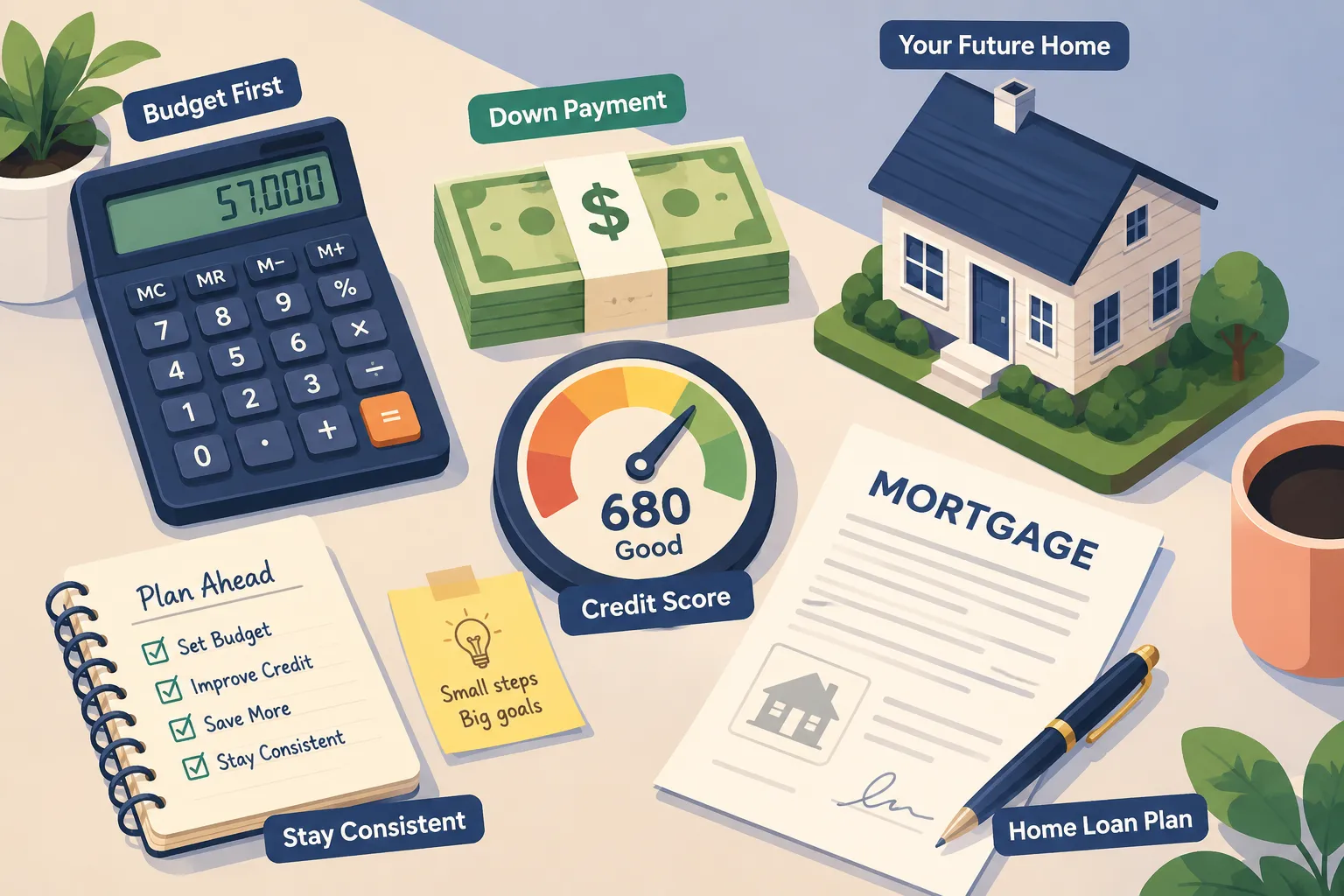
A property makes money when its gross rental income, after vacancy, operating expenses, and debt service, leaves positive cash flow every month. The 1% rule is a useful first filter, but it's not a final answer.
The 1% rule: Monthly rent should be at least 1% of the purchase price. A $200,000 property should rent for $2,000/month. In most 2026 U.S. markets, hitting 1% is hard, but it tells you quickly whether a deal is worth analyzing further.
The full cash flow formula:
- Gross Rental Income (annual rent at 100% occupancy)
- Minus Vacancy Rate (typically 5-10% depending on market)
- Minus Operating Expenses (taxes, insurance, maintenance, management, utilities if applicable)
- = Net Operating Income (NOI)
- Minus Debt Service (annual mortgage payments)
- = Cash Flow
ROI calculation:
- Cash-on-Cash Return: Annual cash flow divided by total cash invested. A 6-10% cash-on-cash return is considered solid for most markets.
- Cap Rate: NOI divided by purchase price. Useful for comparing properties without factoring in financing.
For a deeper breakdown of these numbers, our rental property analysis checklist walks through every line item so you're not guessing.
Quick example:
- Purchase price: $220,000 (20% down = $44,000 cash in)
- Monthly rent: $1,900
- Monthly mortgage (P&I at 7.5%): $1,232
- Monthly expenses (taxes, insurance, maintenance, vacancy reserve): $550
- Monthly cash flow: $118
- Annual cash flow: $1,416
- Cash-on-cash return: 3.2%
That's a thin deal. A so based investor would either negotiate the price down, find a property with higher rent potential, or walk away.
Conventional Loan vs Investment Property Loan: What's the Difference
A conventional loan is the standard mortgage product backed by Fannie Mae or Freddie Mac guidelines. An "investment property loan" is a conventional loan applied to a non-owner-occupied property, the guidelines are stricter, but it's the same product family. The real distinction is between conventional loans and alternative products like DSCR loans or portfolio loans.
Loan types compared for rental property buyers:
| Loan Type | Best For | Key Feature | Credit Min |
|---|---|---|---|
| Conventional (investment) | Long-term hold, strong credit | Best rates, standard terms | 620-640 |
| FHA (house hack only) | Owner-occupant of 2-4 unit | 3.5% down, lower rates | 580 |
| DSCR Loan | Self-employed, portfolio investors | Qualifies on rent, not income | 580-620 |
| Hard Money | Fix-and-flip, short-term | Fast close, asset-based | Flexible |
| Portfolio Loan | Multiple properties | Lender holds loan in-house | Varies |
The best mortgage lenders for first-time investors in 2026 covers which lenders are actually approving deals fast right now, worth checking before you shop rates.
Single-Family Home or Multifamily: Which Is Better for Your First Rental
Single-family homes are easier to finance, easier to manage, and easier to sell. Small multifamily (2-4 units) generates more income per dollar invested but requires more capital and more active management. For most first-time investors, a single-family home or a house-hacked duplex is the right starting point.
Single-family pros:
- Easier to finance (conventional loans widely available)
- Larger pool of potential tenants and future buyers
- Lower management complexity
- Easier to analyze
Single-family cons:
- 100% vacancy when one tenant leaves
- Lower income ceiling
Small multifamily (2-4 units) pros:
- Multiple income streams reduce vacancy risk
- House-hacking potential (live in one unit, rent the others)
- Scales faster than single-family
Small multifamily cons:
- Higher purchase price
- More complex management
- Harder to find in some markets
For investors who want to go deeper on the multifamily path, our guide on apartment investing numbers to know before your first multifamily and the multi-family real estate investments guide from duplex to full portfolio are both worth reading before you make a move.

What Inspections and Due Diligence Do You Need Before Buying a Rental Property
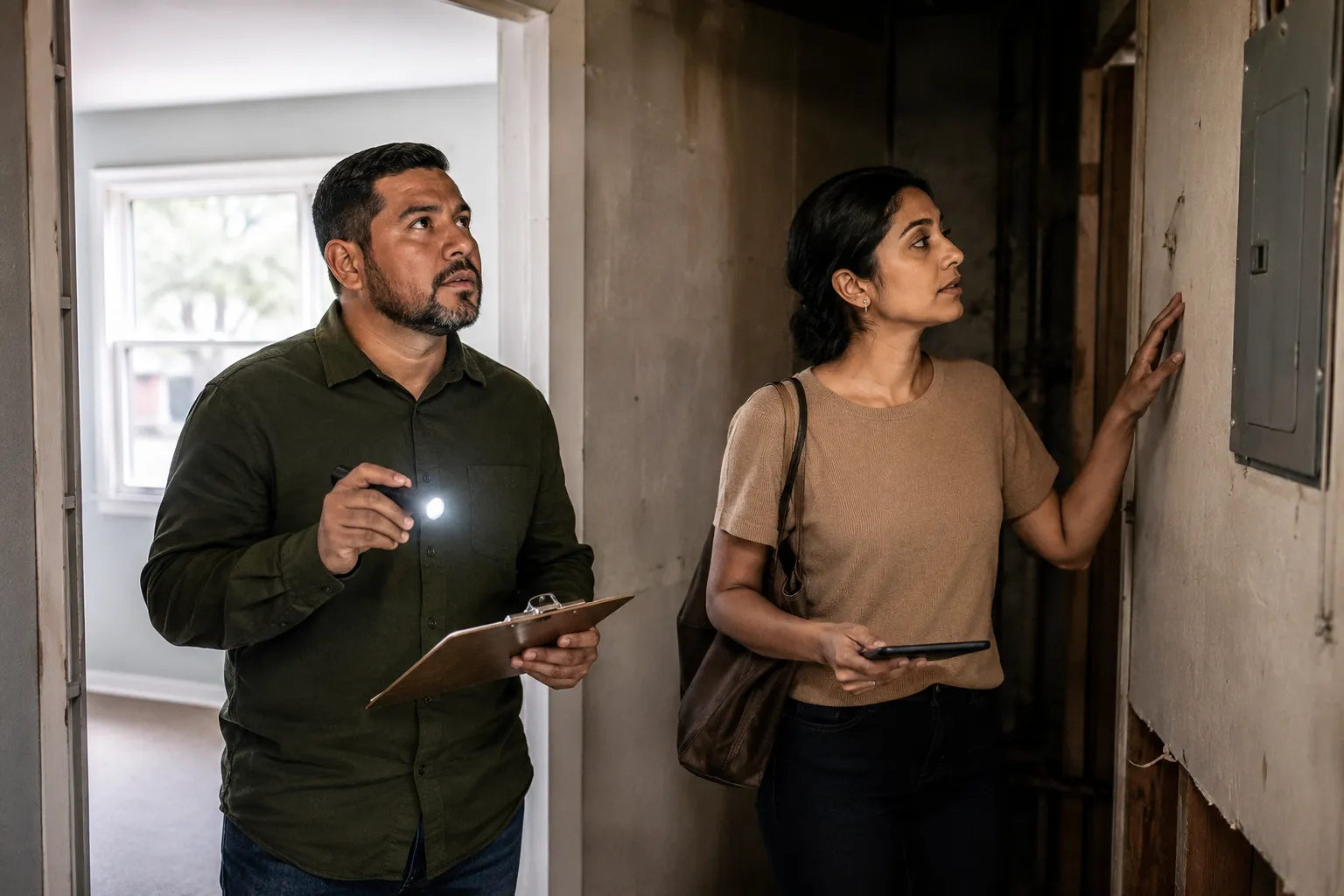
Never skip the inspection on a rental property, ever. The due diligence phase is where you either confirm the deal or save yourself from a very expensive mistake. A standard home inspection is the floor, not the ceiling.
Due diligence checklist for rental properties:
- General home inspection: Roof, foundation, HVAC, plumbing, electrical. Non-negotiable.
- Pest/termite inspection: Especially important in Southern and coastal markets.
- Sewer scope: Run a camera through the sewer line on any property older than 20 years. A failed sewer line can cost $5,000-$15,000.
- Radon test: Required in many states; cheap to test, expensive to ignore.
- Rent roll verification: If the property is tenant-occupied, verify actual lease terms, security deposits held, and payment history.
- Title search: Confirm no liens, judgments, or encumbrances on the property.
- Zoning verification: Confirm the property is legally permitted as a rental in that jurisdiction.
- Insurance quote: Get a rental property insurance quote before closing. Costs are higher than homeowners insurance and vary significantly by location.
Our complete guide to property inspections covers what to look for and what to ask your inspector. Don't gatekeep this from your network, share it with anyone buying their first investment property.
Property Management Costs and Whether You Should Self-Manage
Property management companies typically charge 8-12% of monthly collected rent, plus leasing fees (often 50-100% of one month's rent to place a new tenant). On a $1,800/month rental, that's $144-$216/month in management fees plus a $900-$1,800 leasing fee every time a tenant turns over.
Self-management makes sense if:
- You live within 30 minutes of the property
- You have time to handle maintenance calls and tenant issues
- You're comfortable with landlord-tenant law in your state
- You're starting with one or two properties
Hiring a property manager makes sense if:
- You're buying out of state
- You have a full-time job and limited availability
- You're scaling a portfolio and can't manage every unit yourself
- The management fee fits within your cash flow analysis
The first-time investor's guide to property management breaks down exactly what to look for in a management company and how to vet them before signing a contract.
One more thing on insurance: rental property insurance (also called landlord insurance or dwelling fire policy) is not the same as homeowners insurance and costs 15-25% more on average. Get the right policy before your first tenant moves in. Our homeowners vs rental property insurance cost guide explains the difference clearly.
What Taxes and Deductions Can You Claim on a Rental Property
Rental property ownership comes with extraordinary tax advantages that most first-time investors underestimate. The IRS treats rental income as passive income, and the deductions available can significantly reduce, or in some cases eliminate, your taxable rental income.
Key deductions for rental property owners (IRS Publication 527):
- Mortgage interest: Fully deductible on rental properties
- Depreciation: Residential rental property is depreciated over 27.5 years. On a $220,000 property (land excluded), that's roughly $6,545/year in depreciation, a paper loss that reduces taxable income without coming out of your pocket
- Property taxes: Fully deductible as a rental expense
- Insurance premiums: Landlord/rental property insurance is deductible
- Repairs and maintenance: Deductible in the year incurred (note: improvements must be depreciated, not expensed immediately)
- Property management fees: Fully deductible
- Professional fees: Attorney, accountant, and real estate agent fees related to the rental
- Travel: Miles driven to the property for management purposes
The passive activity loss rules: If your adjusted gross income is under $100,000, you may be able to deduct up to $25,000 in rental losses against ordinary income (IRS Publication 527, 2024). This phases out between $100,000-$150,000 AGI. Above $150,000, losses are suspended until you sell or have passive income to offset.
Work with a CPA who specializes in real estate. The tax code rewards rental property owners generously, but the rules have nuances that a general tax preparer may miss.
Do You Need an LLC to Buy a Rental Property
You do not need an LLC to buy a rental property. Most first-time investors close in their personal name and add liability protection later. That said, an LLC does offer real benefits, primarily liability separation between your personal assets and the rental property.
Arguments for an LLC:
- Personal assets (savings, primary home) are shielded if a tenant sues
- Easier to add partners or transfer ownership
- Cleaner separation of business and personal finances
- May improve privacy in some states (title is in the LLC name, not yours)
Arguments against starting with an LLC:
- Getting a mortgage in an LLC name is harder and often requires a commercial loan or portfolio loan with higher rates
- Setup and annual fees add cost ($50-$800/year depending on state)
- Doesn't protect against personal guarantees (most lenders require them anyway)
- Umbrella insurance policy can provide similar liability protection at lower cost
The practical approach for most first-time buyers: Close in your personal name to access conventional financing, then transfer the property to an LLC after closing (consult an attorney, some lenders have due-on-sale clauses that complicate this). Pair it with a solid landlord insurance policy and an umbrella policy for immediate protection.
Common Mistakes First-Time Rental Property Buyers Make
The most expensive mistakes in rental property investing happen before closing, not after. Here's what to watch for when learning how to buy your first rental property step by step.
Mistake 1: Buying on emotion, not numbers. A beautiful property in a bad rental market is a bad investment. Run the numbers first, fall in love later, or don't fall in love at all.
Mistake 2: Underestimating expenses. New investors routinely forget to budget for vacancy (5-10%), capital expenditures (roof, HVAC, water heater), and property management. These omissions turn a "profitable" deal into a money pit.
Mistake 3: Skipping the inspection. Especially on deals where the seller is motivated. Motivation sometimes means problems they haven't disclosed.
Mistake 4: Not verifying rental income. If a seller claims the property rents for $2,200/month, ask for 12 months of bank statements showing deposits. Projected rent and actual rent are two different things.
Mistake 5: Ignoring local landlord-tenant law. Eviction timelines, security deposit rules, and habitability requirements vary dramatically by state and city. Know the rules before you sign a lease with your first tenant.
Mistake 6: Not having reserves. The HVAC dies in July. The roof leaks in November. These aren't surprises, they're certainties over a long enough hold period. Six months of reserves is not excessive; it's impeccable risk management.
How to Buy Your First Rental Property Step by Step: The Full Process
Here's the complete step-by-step process, from zero to closed deal.
Step 1: Set your investment criteria.
Decide your target market, property type, price range, and minimum cash-on-cash return before you start searching. Chasing random deals without criteria is how investors waste months.
Step 2: Get pre-approved.
Talk to 2-3 lenders who specialize in investment properties. Know your rate, loan limits, and reserve requirements before you make an offer. This step is non-negotiable.
Step 3: Build your team.
You need a real estate agent who works with investors, a real estate attorney (especially for LLC questions), a CPA familiar with rental property taxes, and a reliable inspector. Assemble this team before you need them.
Step 4: Analyze deals systematically.
Use a consistent analysis framework for every property you evaluate. Calculate NOI, cash flow, cash-on-cash return, and cap rate. Set a minimum threshold and walk away from anything that doesn't meet it.
Step 5: Make an offer with contingencies.
Include an inspection contingency and a financing contingency. Do not waive these on your first deal.
Step 6: Complete due diligence.
Full inspection, sewer scope, title search, insurance quote, rent roll verification (if tenant-occupied), and zoning confirmation. This is where you catch problems before they become your problems.
Step 7: Negotiate repairs or price reductions.
Use inspection findings as negotiating leverage. Ask for credits at closing rather than repairs when possible, you control the quality of the work.
Step 8: Finalize financing and close.
Confirm your final loan terms, review the closing disclosure carefully, and wire funds. Bring your reserves documentation, lenders verify this at closing.
Step 9: Set up operations.
Get rental property insurance active on closing day. Open a dedicated bank account for rental income and expenses. Set your rent price based on current market comps. Our resource on how much to charge for rent gives landlords a clear pricing framework.
Step 10: Place a tenant and let it cook.
Screen tenants thoroughly (credit, income verification, rental history). Sign a solid lease. Then step back and let the asset work.
FAQ: How to Buy Your First Rental Property Step by Step
How long does it take to buy a rental property from start to finish?
Most first-time investors close within 60-90 days of getting pre-approved, assuming they're actively searching. Add 30-60 days if you need to build up reserves or improve your credit score first.
Can I use a conventional loan to buy a rental property if I already have a mortgage on my primary home?
Yes. Lenders look at your debt-to-income ratio, not just whether you have an existing mortgage. You can hold multiple conventional loans simultaneously, though each additional property adds to your DTI calculation.
What's the best market to buy my first rental property in 2026?
There's no single answer, it depends on your capital, risk tolerance, and whether you want to self-manage. Markets with strong job growth, population inflow, and rent-to-price ratios above 0.8% are generally worth analyzing. Our best states for first-time home buyers rankings includes data relevant to rental investors as well.
How do I know how much rent to charge?
Research active rental listings in the same zip code for comparable properties (size, condition, amenities). Zillow, Rentometer, and local property managers are your best data sources. Pricing too high extends vacancy; pricing at market gets you a tenant faster and keeps cash flowing.
Is rental property a good investment in 2026?
Rental property remains one of the most proven wealth-building vehicles in U.S. history, but it's not passive income in the early years. The combination of monthly cash flow, appreciation, mortgage paydown, and tax benefits (the four returns of real estate) makes it extraordinary compared to most asset classes when the deal is underwritten correctly.
What happens if my tenant stops paying rent?
This is where your reserves and your knowledge of local eviction law matter. Most states have a formal eviction process that takes 30-90 days. Having 6 months of reserves means one bad tenant doesn't sink your finances while the legal process plays out.
Do I need a real estate agent to buy a rental property?
Not legally, but practically, yes, especially for your first deal. An investor-friendly agent knows which properties have strong rental potential, can pull rental comps, and negotiates on your behalf. The seller typically pays the buyer's agent commission, so there's no cost to you.
Can I buy a rental property out of state?
Yes, and many investors do, often to access better cash flow markets than their home city offers. Out-of-state investing requires a stronger team (local agent, local property manager, local inspector) and more upfront research. It's not a beginner move, but it's not off-limits either.
The Bottom Line: Your First Rental Property Is a Business Decision
Learning how to buy your first rental property step by step is about treating the process like a business from day one, not a lottery ticket. The investors who build extraordinary portfolios aren't the ones who got lucky on their first deal. They're the ones who ran the numbers honestly, built the right team, and didn't rush the process.
The framework is all here. Set your criteria, get pre-approved, analyze deals with discipline, complete full due diligence, and close with reserves in place. Then let the asset work.
For more investor resources, market data, and step-by-step guides built by active brokers, visit Real Estate Rank IQ, free, unbiased, and built for people who want straight answers without the sales pitch.
References
- Fannie Mae. (2024). Selling Guide: Investment Property Eligibility. fanniemae.com
- Experian. (2024). What Credit Score Do You Need for an Investment Property? experian.com
- Internal Revenue Service. (2024). Publication 527: Residential Rental Property. irs.gov
- Freddie Mac. (2024). Single-Family Seller/Servicer Guide: Investment Properties. freddiemac.com
- National Association of Realtors. (2024). Investment and Vacation Home Buyers Survey. nar.realtor