

Last updated: August 23, 2026

Quick Answer
How long does an eviction take? For most landlords dealing with non-payment, the realistic answer is 7 to 16 weeks from the first missed rent payment to the day the tenant is legally out. The range exists because state law, local court backlogs, and tenant responses all push the clock in different directions. Some states like Texas can wrap a straightforward case in under two months. Others, like New York or California, routinely stretch past four months before a sheriff lockout is even scheduled.
Key Takeaways
- The eviction process timeline runs 7 to 16 weeks for non-payment in most U.S. states, though high-tenant-protection states can exceed that range
- Every eviction starts with a formal written notice, and skipping that step restarts the entire clock
- Lost rent during eviction is typically the largest financial hit, often exceeding court fees and attorney costs combined
- Eviction cost for a landlord ranges from roughly $3,500 to $10,000 or more when you factor in filing fees, legal fees, lost rent, and turnover costs
- Paying rent after an eviction notice has been filed does not automatically stop the case in most states
- Tenant bankruptcy can pause an eviction through an automatic stay, sometimes for 30 to 90 days
- A cash for keys agreement often resolves the situation faster and cheaper than going to court
- Tenant screening to prevent eviction is the single most cost-effective tool a small landlord has
- The fastest eviction process in the U.S. exists in states like Texas, Georgia, and Florida, where timelines can run 3 to 6 weeks from notice to lockout
- If a tenant refuses to leave after a court judgment, a sheriff lockout is the only legal remedy, and scheduling one adds another 1 to 4 weeks
What Are the Stages of the Eviction Process?
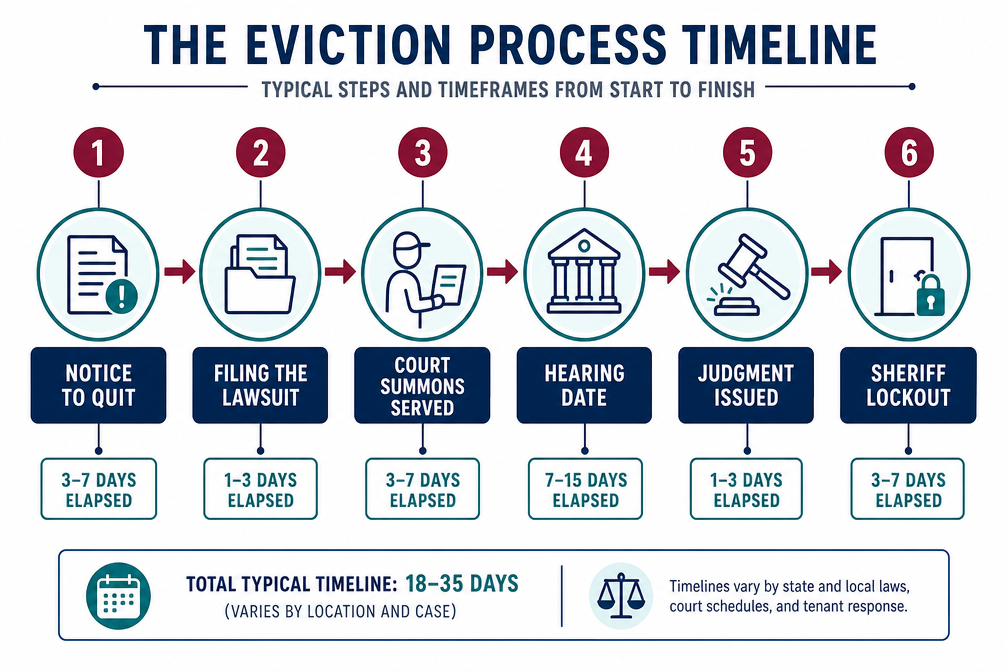
The eviction process timeline follows a fixed legal sequence. You cannot skip stages, and each one has its own waiting period built in by state law.
Here are the six core stages every landlord goes through:
Stage 1: Notice to Quit
This is the written demand you serve the tenant before anything else. For non-payment, most states require a 3-day, 5-day, or 7-day notice to pay or vacate. Some states require 14 or 30 days. The notice to quit period by state varies significantly, and serving it incorrectly, wrong format, wrong delivery method, or wrong number of days, means you start over.
Stage 2: Filing the Eviction Lawsuit
If the tenant does not pay or leave within the notice period, you file an unlawful detainer or summary possession action with your local court. Eviction filing fees typically run $50 to $500 depending on the state and court level.
Stage 3: Serving the Court Summons
The tenant must be formally served with the court date. This usually takes 3 to 10 days, and the court may require a professional process server.
Stage 4: The Hearing
Courts in most states schedule eviction hearings within 7 to 30 days of filing. High-volume urban courts in places like Los Angeles or New York City often push this out further.
Stage 5: Judgment
If you win, the court issues a judgment for possession. The tenant typically gets a few days to a week to vacate voluntarily before enforcement begins.
Stage 6: Sheriff Lockout
If the tenant still refuses to leave, you request a writ of possession and the sheriff enforces it. Sheriff lockout cost runs $50 to $400 in most jurisdictions, plus the wait for a scheduled appointment, which can add 1 to 4 weeks.
How Long Does an Eviction Take? Breaking Down the Timeline by State
How long does an eviction take varies more by geography than almost any other factor. The difference between a landlord in Dallas and one in Newark is not just a few weeks; it can be the difference between a manageable setback and a year of financial damage.
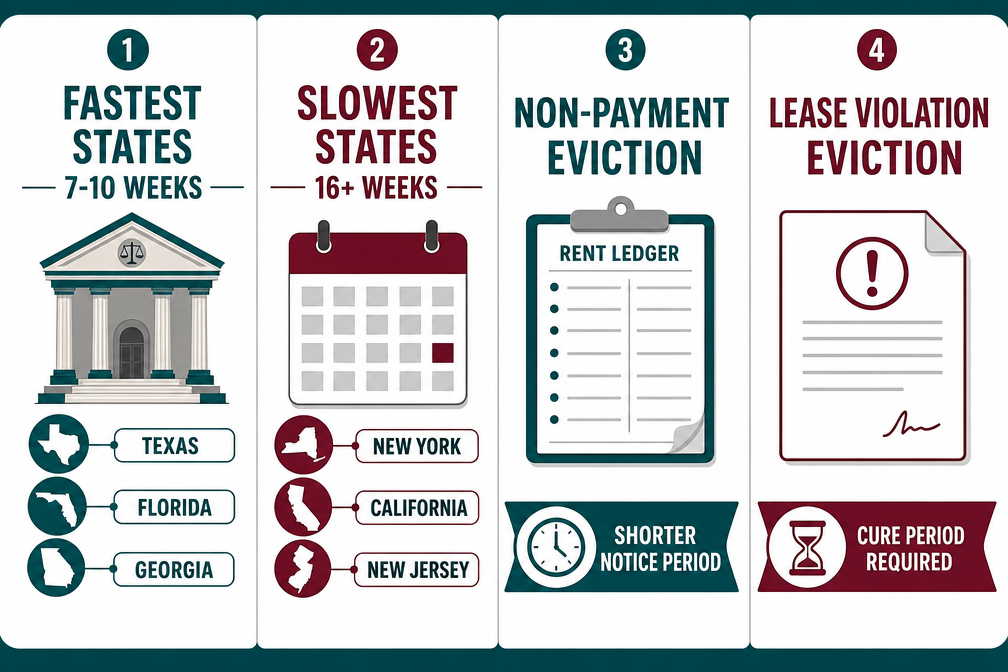
Fastest states (7 to 10 weeks total):
- Texas: 3-day notice, hearings often within 10 days of filing, total process can run 3 to 6 weeks
- Georgia: 3-day notice, fast court scheduling, 4 to 8 weeks typical
- Florida: 3-day notice for non-payment, 5 to 8 weeks typical
Mid-range states (10 to 14 weeks total):
- Arizona: 5-day notice, 6 to 10 weeks total
- Colorado: 10-day notice, 8 to 12 weeks typical
- Ohio: 3-day notice but court scheduling varies, 8 to 12 weeks
Slowest states (14 to 20+ weeks total):
- New York: 14-day notice minimum, court backlogs in NYC can push total timelines past 6 months
- California: 3-day notice for non-payment, but court delays and tenant protections routinely push cases to 3 to 6 months
- New Jersey: 30-day notice in many cases, 4 to 6 months total is common
The eviction timeline by state is also affected by whether your county has a dedicated housing court, how many eviction cases are pending, and whether the tenant contests the filing.
Eviction Timeline for Non-Payment vs. Lease Violation
These two paths use the same court system but start differently, and that difference matters.
Non-payment evictions are the faster track. The notice period is shorter (3 to 7 days in most states), and the legal argument is straightforward: rent was due, rent was not paid. Courts move these cases quickly because the facts are simple.
Lease violation evictions (unauthorized pets, subletting, property damage, illegal activity) typically require a "cure or quit" notice. This gives the tenant a set number of days, often 3 to 30 depending on the state, to fix the violation before you can file. If the violation is incurable, like a drug-related felony on the property, some states allow a shorter notice. Either way, lease violation cases add 1 to 3 weeks to the front end of the process.
The practical difference:
| Type | Typical Notice Period | Total Timeline |
|---|---|---|
| Non-payment | 3 to 14 days | 7 to 14 weeks |
| Lease violation (curable) | 10 to 30 days | 10 to 16 weeks |
| Lease violation (incurable) | 3 to 5 days | 8 to 14 weeks |
If you are managing multiple properties and want to reduce the risk of reaching this point, the Propstream 2026 Review Still Worth It For Wholesalers My Honest Take covers tools that help with deal analysis and tenant market research before you buy.
How Much Does an Eviction Cost a Landlord?
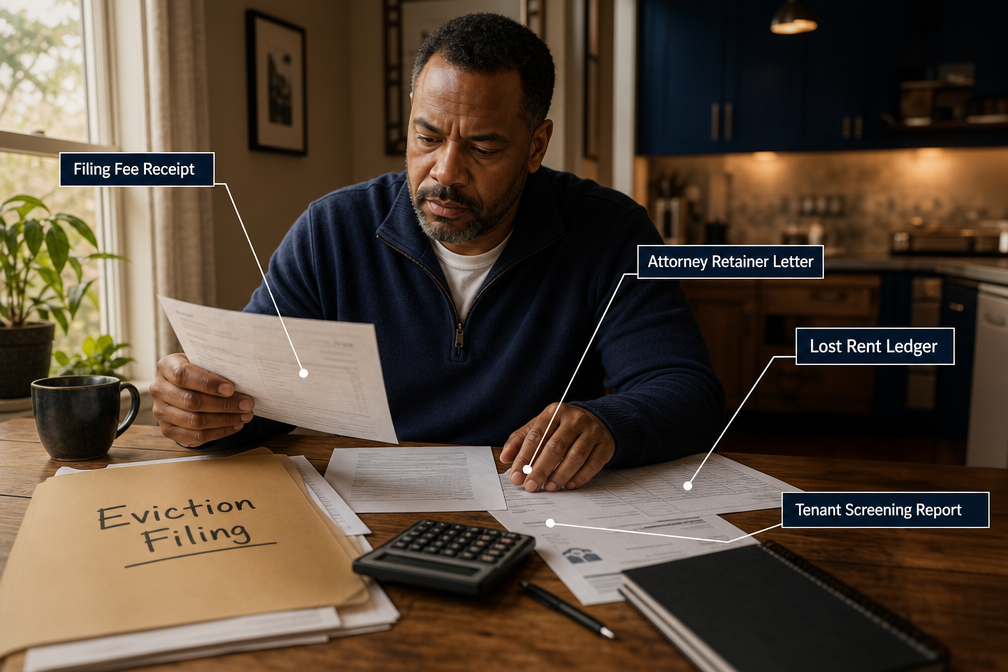
Eviction cost for a landlord is almost always higher than people expect, because most landlords only count the court fees and miss the larger line items.
Here is a realistic breakdown:
Direct eviction costs:
- Eviction filing fees: $50 to $500 (varies by state and court)
- Eviction attorney cost: $500 to $5,000+ depending on complexity and whether the tenant contests
- Process server fees: $50 to $200
- Sheriff lockout cost: $50 to $400
The bigger hit, lost rent during eviction:
At a median U.S. rent of roughly $1,800 per month (varies widely by market), a 10-week eviction process means $4,500 in lost rent. A 16-week process means $7,200. This is where the real damage happens, and it does not show up in court fee estimates.
Tenant turnover cost after eviction:
Once the tenant is out, you are looking at cleaning, repairs (evicted tenants do not always leave gently), re-listing costs, and potentially weeks of vacancy while you screen a replacement. Tenant turnover cost after eviction commonly runs $1,500 to $4,000 on top of everything else.
Total realistic range:
| Scenario | Estimated Total Cost |
|---|---|
| Fast state, uncontested, no damage | $3,500 to $5,000 |
| Mid-range state, contested, moderate damage | $6,000 to $9,000 |
| Slow state, contested, major damage | $10,000 to $15,000+ |
This math is why experienced landlords treat a cash for keys agreement as a serious option. Paying a tenant $500 to $1,500 to leave voluntarily within two weeks often costs less than a full eviction process, and it skips the court entirely.
Can You Stop an Eviction Once It Starts?
Yes, an eviction can be stopped or paused after it starts, but the mechanism depends on who is doing the stopping and at what stage.
If the tenant pays all overdue rent: In many states, a tenant who pays the full amount owed, including late fees if the lease allows, before the court date can have the case dismissed. This is called "right to cure" or "redemption," and it applies in states like Ohio, Illinois, and Michigan. In states without a statutory redemption right, the landlord can still choose to accept payment and dismiss, but is not legally required to.
If the landlord accepts partial payment: This is a trap. Accepting any rent payment after filing can legally waive your right to evict in some states, resetting the clock entirely. Check your state's law before cashing any check from a tenant mid-eviction.
Can eviction be dismissed before the court date? Yes. If the landlord and tenant reach a written agreement (a payment plan, a move-out date, or a cash for keys deal), the landlord can file a voluntary dismissal. Courts generally grant these without a hearing.
What if the tenant files bankruptcy during eviction? A bankruptcy filing triggers an automatic stay, which legally pauses the eviction. For Chapter 7 cases, the stay typically lasts 30 to 90 days before the landlord can petition the court for relief. Chapter 13 can extend this further. This is one of the more disruptive delays a landlord can face mid-process, and it requires working with a bankruptcy attorney to lift the stay.
What Happens If You Pay Rent During Eviction?
Paying rent after a notice has been served does not automatically end the eviction process. The outcome depends on your state's law and the stage of the case.
- Before filing: If the tenant pays in full during the notice period, the eviction process stops in most states. That is the entire purpose of a "pay or quit" notice.
- After filing but before the hearing: Some states allow the tenant to pay all arrears and have the case dismissed. Others do not, leaving the decision to the landlord.
- After a judgment: Payment at this stage does not reverse a court judgment for possession. The landlord can choose to reinstate the tenancy, but is not required to.
The key variable is whether your state has a statutory right of redemption for tenants. If it does, the tenant can pay and stop the eviction at specific points. If it does not, payment is a negotiating chip, not a legal right.
Judicial vs. Non-Judicial Eviction: What Is the Difference?
Judicial vs. non-judicial eviction is a distinction most landlords do not know exists until they try to take a shortcut and get burned.
Judicial eviction is the standard process: you file in court, attend a hearing, get a judgment, and have the sheriff enforce it. Every state requires this for residential tenants. There are no legal exceptions.
Non-judicial eviction (self-help eviction) means changing the locks, removing belongings, cutting off utilities, or otherwise forcing a tenant out without a court order. This is illegal in all 50 states for residential properties. Landlords who attempt it face civil liability for damages, sometimes including punitive damages, and in some states it is a criminal offense.
The only legal shortcut is a cash for keys agreement, where the tenant voluntarily accepts payment to leave by a set date. This is not an eviction; it is a negotiated contract. Done correctly with a signed written agreement, it is the fastest and cleanest exit available.
How to Delay or Pause an Eviction (From the Tenant's Side)
Tenants have several legal tools to slow the eviction process timeline, and landlords should know all of them because each one adds weeks to your clock.
Common delay tactics tenants use:
- Requesting a continuance: Asking the court for more time to prepare. Courts often grant one continuance, adding 1 to 4 weeks.
- Filing an answer: Contesting the eviction on procedural grounds, claiming the notice was defective, or raising habitability defenses. This triggers a full hearing and sometimes discovery.
- Claiming retaliation or discrimination: If a tenant alleges the eviction is retaliatory (filed after they complained about repairs) or discriminatory, the court will investigate, adding significant time.
- Filing bankruptcy: As noted above, this triggers an automatic stay.
- Requesting a jury trial: Available in some states for eviction cases, which dramatically extends the timeline.
The best defense against these delays is a clean paper trail from day one: dated notices, certified mail receipts, photos, written lease agreements, and documented repair requests with responses.
What Is the Fastest Eviction Process Available?
The fastest eviction process in the U.S. runs about 3 to 6 weeks total in states like Texas, Georgia, and Arizona, under ideal conditions.
What "ideal conditions" means:
- The lease is current, signed, and clearly written
- The notice was served correctly on the first attempt
- The tenant does not contest or request a continuance
- The court has available hearing slots within 10 days of filing
- The tenant vacates after the judgment without requiring a sheriff lockout
Texas is frequently cited as the fastest state. A 3-day notice, a justice of the peace court that schedules hearings quickly, and a writ of possession that can be executed within days of judgment make it possible to complete an uncontested non-payment eviction in under 30 days.
Georgia and Florida follow closely. Both have 3-day notice requirements for non-payment and court systems that prioritize residential eviction cases.
If you own property in a slower state and want to reduce your exposure to a long eviction process timeline, tenant screening to prevent eviction is the most direct lever you have. Screening for income-to-rent ratios, rental history, and prior eviction records before signing a lease is far less expensive than managing one bad placement.
Do Tenants Have Rights During the Eviction Process?
Yes, tenants have substantial legal rights throughout the eviction process, and a landlord who ignores them will lose in court regardless of whether the tenant actually owes rent.
Core tenant rights during eviction:
- The right to written notice in the correct format and timeframe
- The right to be served properly (personal service, posted notice, or certified mail, depending on state law)
- The right to appear in court and present a defense
- The right to a habitable unit throughout the process (you cannot cut utilities or remove appliances)
- The right to request a continuance in most courts
- Protection against retaliation and discrimination under federal fair housing law
What this means practically: if your notice had the wrong number of days, used the wrong form, or was delivered incorrectly, the tenant can get the case dismissed on procedural grounds. You then restart the entire clock. This is not uncommon and it is entirely avoidable with careful preparation.
How Long Before a Landlord Can Change Locks After Eviction?
A landlord cannot legally change the locks until after a court judgment for possession is issued AND the enforcement period has passed. The exact timing depends on the state.
The sequence:
- Court issues judgment for possession
- Tenant is given a set number of days to vacate voluntarily (typically 24 hours to 5 days)
- If the tenant does not leave, the landlord requests a writ of possession
- The sheriff schedules and executes the lockout
- Only after the sheriff has removed the tenant and posted the property can the landlord legally change locks and re-enter
Changing locks before the sheriff enforces the writ is a self-help eviction and is illegal. Even if the tenant has clearly abandoned the property, most states require a formal abandonment process before you can legally re-enter and change locks without a court order.
Sheriff lockout cost runs $50 to $400 in most states, and scheduling typically adds 1 to 4 weeks to the end of the process.
What If the Tenant Refuses to Leave After Eviction?
If a tenant refuses to leave after a court judgment, the only legal remedy is a sheriff-enforced lockout. You cannot physically remove the tenant yourself, and attempting to do so creates serious legal liability.
The process after a judgment:
- File for a writ of possession (or writ of execution) with the court
- Pay the writ fee (typically $50 to $200)
- The sheriff's office schedules the lockout, which can take 1 to 4 weeks depending on their caseload
- On the scheduled date, a deputy accompanies you to the property, the tenant is ordered to leave, and you change the locks immediately after
What about the tenant's belongings? Most states require you to store them for a set period (commonly 15 to 30 days) before disposal. Some states allow you to place them on the curb; others require a storage facility. Check your state law before touching anything.
This stage is where having an eviction attorney cost factored into your budget pays off. An attorney who knows local sheriff procedures can often get a lockout scheduled faster than a landlord handling it alone.
For landlords thinking about whether professional property management would have prevented this situation, the math on fees versus lost rent is worth running carefully. The 1031 Exchange Basics Rules Timelines And Common Mistakes article covers related financial planning for rental property owners who are re-evaluating their portfolio strategy after a difficult tenant situation.
How to Avoid an Eviction as a Landlord
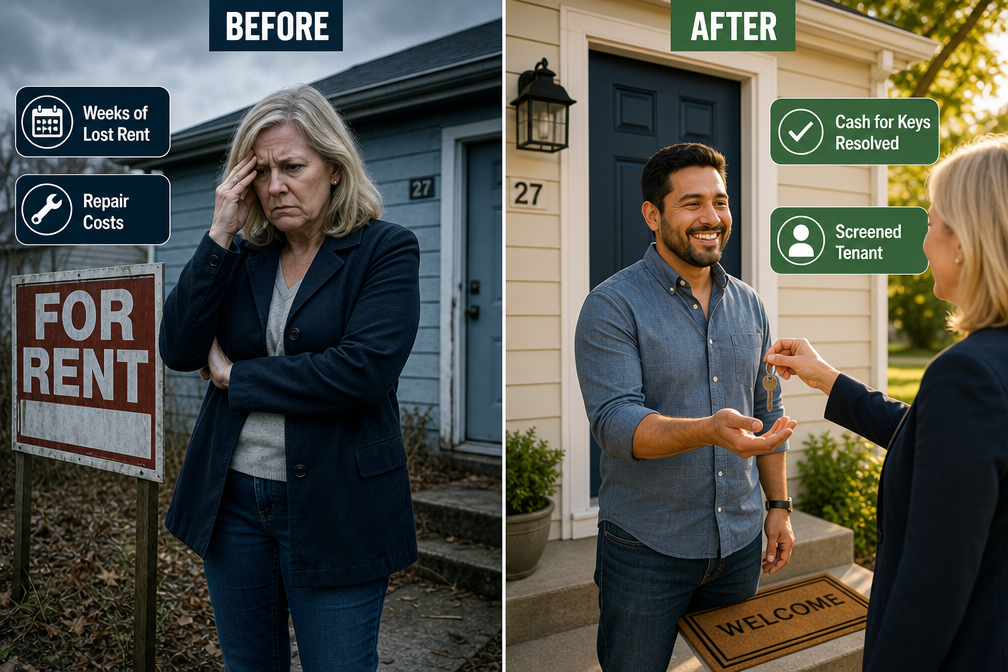
The most useful thing about eviction prevention is how much of it happens before the lease is signed. Tenant screening to prevent eviction is not glamorous, but it is so effective that experienced landlords treat it as non-negotiable.
Screening practices that reduce eviction risk:
- Require gross monthly income of at least 3x the monthly rent
- Pull a full credit report with eviction history through a service like TransUnion SmartMove or RentPrep
- Call prior landlords directly, not just the one listed (the current landlord may want the tenant out)
- Check court records for prior eviction filings, not just judgments, since many cases are settled before a judgment is entered
- Verify employment with a pay stub and a direct call to the employer's HR line
Once the tenancy starts:
- Respond to maintenance requests in writing and document completion
- Send a written reminder on day 4 or 5 of any late rent, before the grace period expires
- Offer a payment plan in writing at the first sign of financial trouble, rather than waiting for two months of arrears to pile up
- Know your state's cash for keys laws and have a template agreement ready
The landlords who never face a full eviction process timeline are not lucky. They screen well, document everything, and move early when something goes sideways. A new screening process takes a few cycles to prove out, but it pays back the first time it filters out a problem tenant.
If you are evaluating whether to continue self-managing or hire a property manager, the financial decision involves more than the management fee. The HELOC Refinance When It Saves You Money And When It Doesnt article is a useful companion for landlords thinking through their overall rental property financing picture.
FAQ
How long does an eviction take from start to finish?
Most non-payment evictions take 7 to 16 weeks from the first missed rent payment to the sheriff lockout. Uncontested cases in fast states like Texas can finish in 3 to 6 weeks. Contested cases in slow states like New York or California can run 4 to 6 months or longer.
What is the eviction process timeline for non-payment?
The timeline starts with a 3 to 14-day notice to quit (varies by state), followed by filing (1 to 5 days), serving the tenant (3 to 10 days), waiting for a hearing (7 to 30 days), getting a judgment, and then enforcing it. Total: 7 to 16 weeks in most states.
How much does an eviction cost a landlord?
Eviction cost for a landlord typically runs $3,500 to $10,000 or more. This includes eviction filing fees ($50 to $500), eviction attorney cost ($500 to $5,000), sheriff lockout cost ($50 to $400), lost rent during eviction (often the largest single cost), and tenant turnover cost after eviction ($1,500 to $4,000).
Can a tenant stop an eviction by paying rent?
In many states, a tenant can stop a non-payment eviction by paying all arrears before the court date. After a judgment is issued, payment does not automatically reverse the case. Check your state's redemption rights before accepting any partial payment mid-process.
What is the fastest eviction process in the U.S.?
Texas, Georgia, and Florida consistently have the fastest eviction timelines, with uncontested non-payment cases sometimes completing in 3 to 6 weeks. The key factors are short notice periods (3 days), fast court scheduling, and efficient sheriff enforcement.
What happens if a tenant files bankruptcy during eviction?
A bankruptcy filing triggers an automatic stay that legally pauses the eviction. For Chapter 7, the stay typically lasts 30 to 90 days. The landlord must file a motion for relief from the automatic stay with the bankruptcy court to continue the eviction.
How long before a landlord can change locks after eviction?
A landlord can only change locks after the court judgment is issued, the tenant's voluntary vacate period has passed, and a sheriff has physically enforced the writ of possession. Changing locks before the sheriff enforces the writ is illegal in all 50 states.
What is a cash for keys agreement?
A cash for keys agreement is a voluntary contract where the landlord pays the tenant a set amount (typically $500 to $2,000) to vacate by a specific date. It avoids court entirely and often costs less than a full eviction when you factor in lost rent and attorney fees.
Does accepting rent during eviction hurt my case?
In many states, yes. Accepting rent after filing can legally waive your right to evict for that period, potentially restarting the notice clock. Consult an attorney before accepting any payment from a tenant after you have filed.
What is the notice to quit period by state?
It ranges from 3 days (Texas, Florida, Georgia, California for non-payment) to 30 days (New Jersey for month-to-month tenants). Some states require different notice periods depending on how long the tenant has lived there.
Can an eviction be dismissed before the court date?
Yes. If the landlord and tenant reach a written agreement (payment plan, move-out date, or cash for keys), the landlord can file a voluntary dismissal. Courts grant these routinely. The case can also be dismissed if the tenant pays in full in states with a statutory right of redemption.
What is the difference between judicial and non-judicial eviction?
Judicial eviction goes through the court system and is the only legal method for residential tenants in all 50 states. Non-judicial eviction (changing locks, removing belongings, cutting utilities without a court order) is illegal everywhere for residential properties and exposes landlords to civil and sometimes criminal liability.
Conclusion
How long does an eviction take? The honest answer is 7 to 16 weeks for most landlords, and that range can stretch well past four months in high-protection states or contested cases. For a small landlord with one or two rentals and a day job, that timeline is not just an inconvenience. It is a cash flow crisis.
The eviction process timeline is fixed by law. You cannot speed up the courts. What you can control is everything that happens before the notice gets posted: the lease you write, the tenant you screen, the maintenance records you keep, and how quickly you respond when rent goes late.
Three things worth doing right now:
- Pull your current lease and verify your notice to quit period matches your state's current requirement. Laws change, and an outdated notice period is a free dismissal for a tenant's attorney.
- Run your current (or next) tenant through a paid screening service that checks eviction court records, not just credit. The $30 to $50 cost is excellent value against a $10,000 eviction.
- Keep a cash for keys agreement template on file. If you ever face a non-paying tenant, having that document ready to offer on day 10 instead of day 60 could save you months of lost rent.
New landlords often learn the eviction process the hard way. Keeping this knowledge quiet does nobody any favors. The numbers are clear: one bad tenant placement can erase a year of net cash flow. Screening well, documenting everything, and knowing your state's timeline before you need it are the moves that keep a small rental portfolio running the way it should.
For more on managing the financial side of a rental portfolio, the 1031 Exchange Basics Rules Timelines And Common Mistakes guide covers tax strategy for landlords planning their next move.