
Last updated: July 20, 2026

Quick Answer: A home inspection checklist for buyers is a structured guide covering the major systems and structural components of a property, roof, foundation, electrical, plumbing, HVAC, and more. The 15 red flags covered here represent the issues most likely to cost you thousands in repairs or signal a deal you should walk away from entirely. Every buyer, from first-timers to seasoned investors, needs this list before closing.
Key Takeaways
- A professional home inspection typically costs between $300 and $500 for an average-sized home and takes two to four hours.
- Foundation cracks, active roof leaks, outdated electrical panels, and mold are among the most serious red flags on any home inspection checklist for buyers.
- Structural problems and major system failures are not the same as cosmetic issues, one can cost you tens of thousands of dollars; the other costs you a weekend and a trip to Home Depot.
- You can negotiate price reductions, seller credits, or repairs after a bad inspection report. You are not locked in.
- If your contract includes an inspection contingency, you can walk away from the deal with your earnest money intact if the inspection reveals serious problems.
- A home inspection is not the same as an appraisal. An inspection evaluates condition; an appraisal determines market value.
- New construction homes still need inspections, builder mistakes are real, and they happen more than the industry admits.
- Getting a second opinion on major findings is not only acceptable, it is smart.
Home Inspection Checklist for Buyers: What Every Buyer Needs to Know
The home inspection checklist for buyers exists for one reason: to protect you from buying someone else's expensive problem. This is not paperwork you skim. It is your last real opportunity to understand exactly what you are purchasing before the deal closes and the keys change hands.
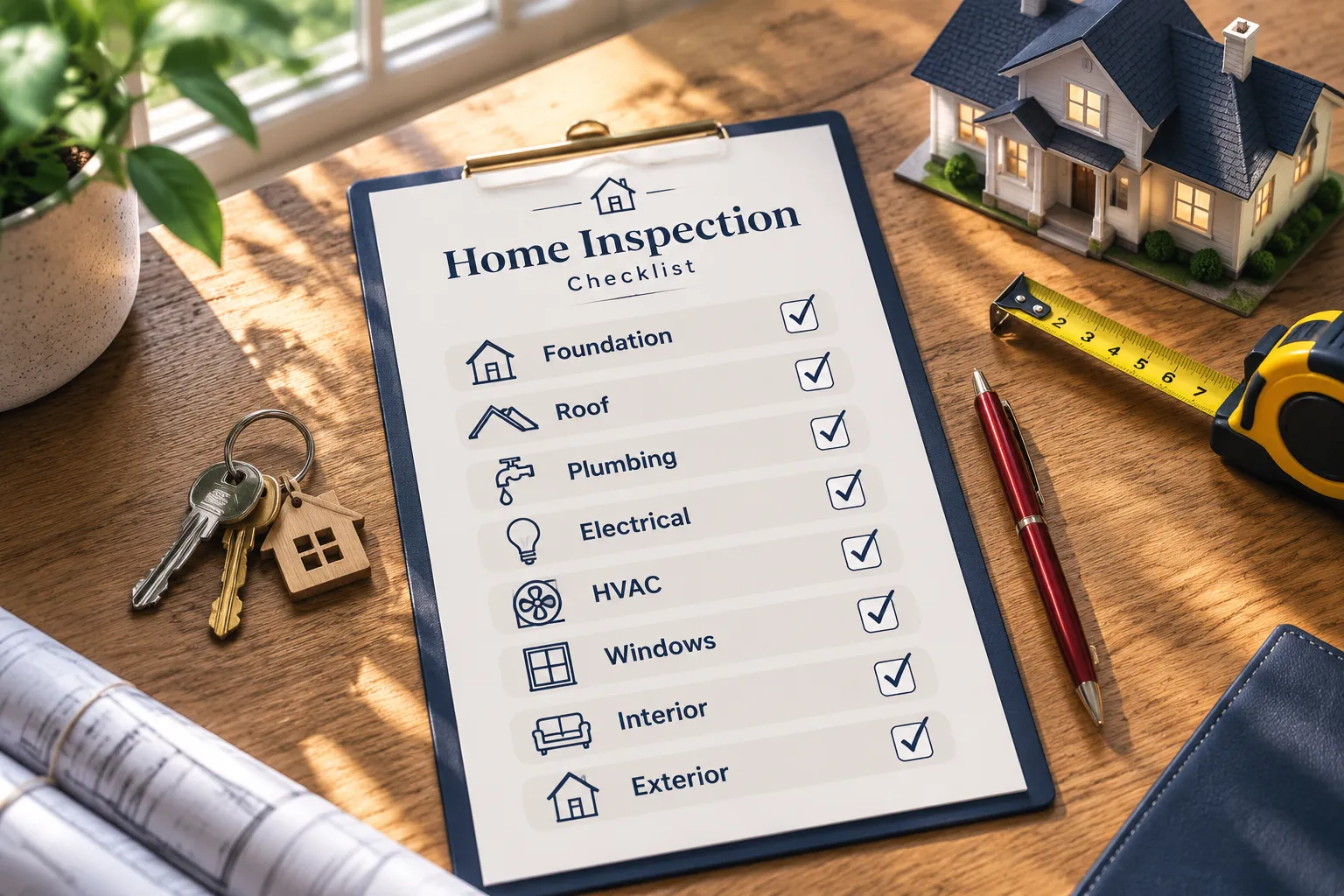
A thorough inspection checklist for home buyers covers every major system and structural element of the property. Here is what a qualified inspector will evaluate:
Exterior
- Foundation walls and visible footings
- Grading and drainage (does water flow away from the house?)
- Roof condition, flashing, and gutters
- Siding, trim, and exterior cladding
- Driveway, walkways, and retaining walls
- Garage structure and door operation
Interior Structure
- Ceilings, walls, and floors for cracks, staining, or sagging
- Attic framing, insulation, and ventilation
- Basement or crawl space for moisture and structural integrity
Major Systems
- Electrical panel, wiring, and outlets
- Plumbing supply lines, drains, and water heater
- HVAC (heating, ventilation, and air conditioning)
- Fireplace and chimney
Safety Items
- Smoke and carbon monoxide detectors
- Stair railings and guardrails
- Window and door operation
For buyers who want a free home inspection checklist or a printable home inspection checklist for buyers, the American Society of Home Inspectors (ASHI) and the International Association of Certified Home Inspectors (InterNACHI) both publish free downloadable versions on their websites. A home inspection checklist pdf or new construction home inspection checklist pdf from these organizations is a solid starting point before your inspection day.
The 15 Red Flags on Every Home Inspection Checklist for Buyers
These are the findings that separate a negotiating opportunity from a potential financial disaster. Not every red flag means you should walk. But every one of them means you need to pay attention.
1. Foundation Cracks or Movement
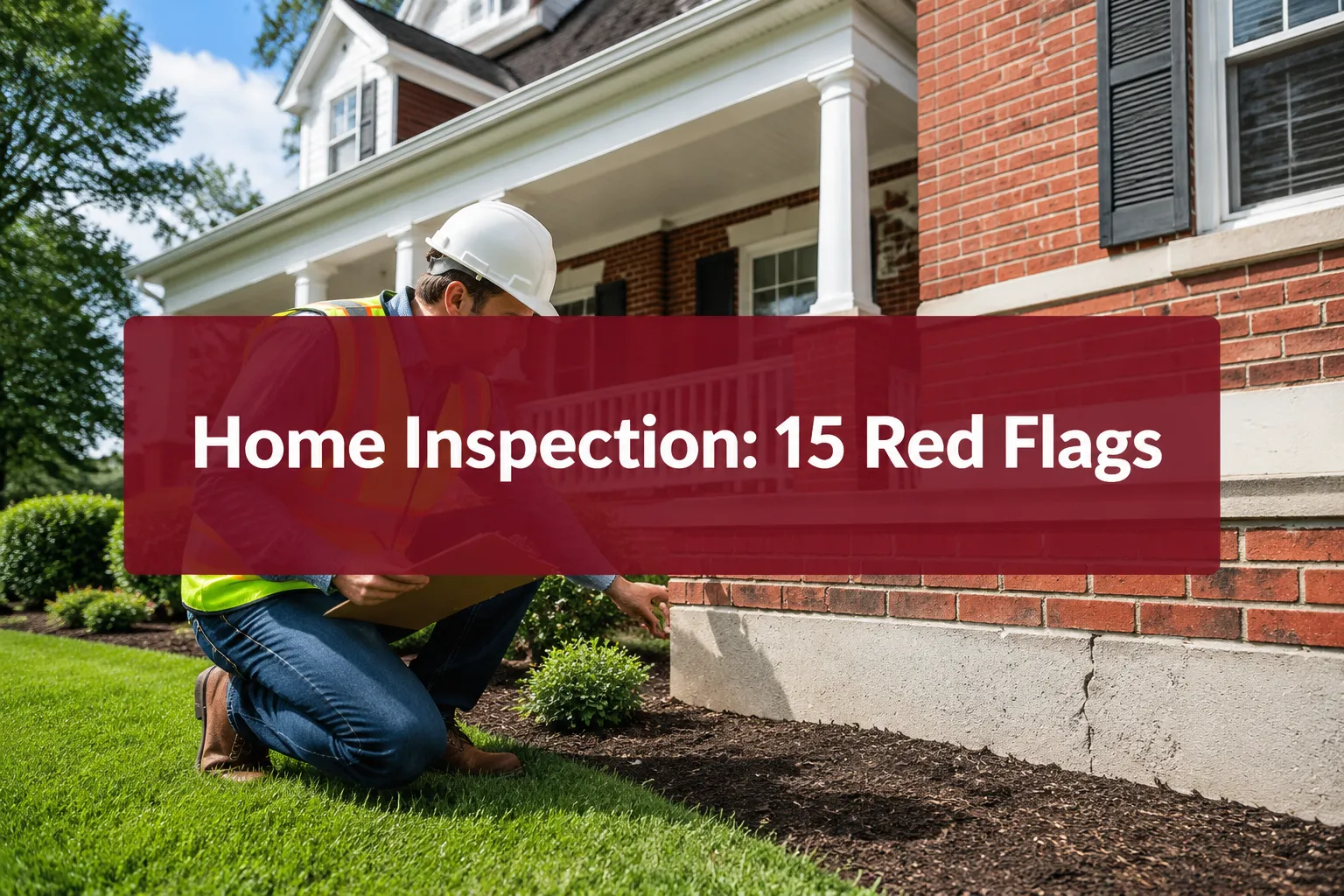
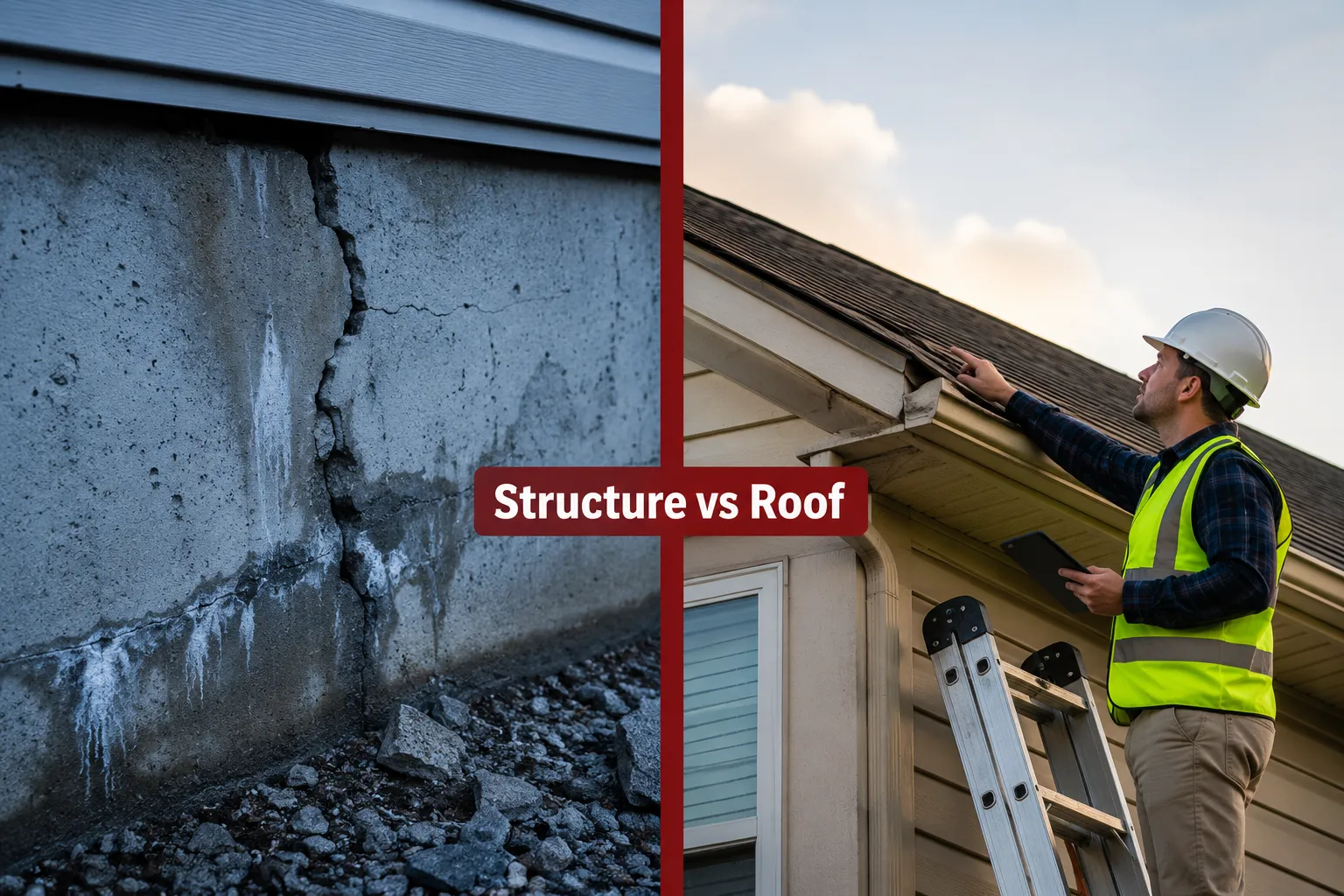
Horizontal cracks in basement walls, stair-step cracks in brick, or doors and windows that no longer close properly can all signal foundation movement. This is the most serious category on the home inspection checklist for home buyers.
2. Active Roof Leaks or Damaged Shingles
Missing, curling, or buckled shingles, along with water stains on attic sheathing, are signs the roof is failing. A full replacement can run $8,000 to $25,000 or more depending on size and material.
3. Outdated or Unsafe Electrical Panels
Federal Pacific Stab-Lok panels and Zinsco panels have documented failure histories. Knob-and-tube wiring or aluminum branch circuit wiring in older homes also raises serious safety and insurance concerns.
4. Galvanized or Polybutylene Plumbing
Galvanized steel pipes corrode from the inside out. Polybutylene pipes (used widely from the 1970s through the mid-1990s) are prone to sudden failure. Both are expensive to replace throughout a home.
5. Evidence of Water Intrusion or Mold
Staining on ceilings, walls, or in the basement, combined with a musty odor, often points to active or historical moisture problems. Mold remediation costs vary widely but can reach $10,000 or more in severe cases.
6. HVAC Systems Over 15 Years Old
An aging furnace or AC unit near the end of its service life is a negotiating point at minimum. A full HVAC replacement can run $5,000 to $12,000 depending on the system type and home size.
7. Inadequate Attic Ventilation or Insulation
Poor attic ventilation leads to moisture buildup, ice dams in cold climates, and premature roof deck deterioration. It also drives up energy bills.
8. Pest or Termite Damage
Wood-destroying insects can compromise structural framing silently over years. Many standard home inspections do not include a pest inspection, you may need to order one separately.
9. Improper Grading or Drainage
When the ground slopes toward the foundation instead of away from it, water follows. This is one of the leading causes of basement flooding and foundation damage.
10. Chimney Deterioration
Cracked flue liners, missing mortar, and damaged chimney caps are fire hazards. A chimney inspection and cleaning alone can reveal issues that cost $1,000 to $5,000 to repair.
11. DIY Electrical or Plumbing Work
Unpermitted, amateur repairs are a red flag for two reasons: they may be unsafe, and they may create issues when you try to sell or refinance. Always ask about permits.
12. Asbestos or Lead Paint (Older Homes)
Homes built before 1978 may contain lead-based paint. Homes built before 1980 may contain asbestos in insulation, floor tiles, or pipe wrap. Disturbing these materials without proper abatement is a health and legal issue.
13. Sagging or Uneven Floors
This can point to settling, rotted subfloor, or compromised structural beams. It warrants further investigation by a structural engineer, not just a general inspector.
14. Water Heater Age and Condition
Water heaters typically last 8 to 12 years. An old unit with rust at the base or connections is a near-term replacement cost. Budget $800 to $2,000 for a standard tank replacement.
15. Signs of Previous Flooding or Undisclosed Repairs
Fresh paint in a basement, new drywall patches in isolated areas, or mismatched flooring can indicate someone covered up a problem rather than fixing it. This is where a do it yourself home inspection checklist falls short, a trained eye catches what a casual walkthrough misses.
What Should I Look for During a Home Inspection?
Focus on the major systems first, then work outward to cosmetic details. The goal of any inspection checklist for home buyers is to identify issues that affect safety, structural integrity, or cost you significant money.
Walk the property with the inspector when possible. Ask questions. A good inspector will explain what they are seeing in plain language. If something looks off to you, a stain, an odd smell, a door that sticks, say something. Inspectors are thorough, but they are also human.
For a deeper look at how property inspections work from a broker's perspective, our complete property inspection guide breaks down what inspectors are actually licensed to evaluate and where their scope ends.
What Is the Difference Between a Home Inspection and an Appraisal?
A home inspection evaluates the physical condition of the property. An appraisal determines its market value for the lender. These are two completely separate processes, conducted by different professionals, for different purposes.
- An inspector works for you (the buyer) and reports on the condition of the home's systems and structure.
- An appraiser works for the lender and determines whether the purchase price is supported by comparable sales in the market.
A house can pass an appraisal and still have serious inspection issues. Never skip the inspection because you assume the appraisal covers it. It does not.
For buyers tracking current market conditions that affect purchase decisions, our U.S. home buyers market trends in 2026 resource is worth a read before you make an offer.
How Much Does a Home Inspection Cost?
A standard home inspection for an average-sized single-family home typically costs between $300 and $500. Larger homes, older homes, or homes with additional structures like detached garages or guest houses can push that cost higher.
Specialty inspections, sewer scope, radon testing, mold testing, pest inspection, chimney inspection, are usually separate and add $75 to $300 each depending on your market and the service.
This is not the place to cut corners. Paying $400 for an inspection that reveals a $15,000 foundation issue is one of the best returns on investment a buyer can get. So based on what we see in the market, buyers who skip inspections to win bidding wars are taking on extraordinary risk.
Can I Do My Own Home Inspection or Do I Need a Professional?
A do it yourself home inspection checklist is a useful tool for a preliminary walkthrough, but it does not replace a licensed professional. Here is why: inspectors carry errors and omissions insurance, they have access to tools like moisture meters and thermal cameras, and they know what defects look like before they become visible to an untrained eye.
Use a free home inspection checklist for buyers to prepare your own observations before the professional inspection. Walk the home yourself, note anything that looks off, and bring those notes to the inspector. That combination, your eyes plus their expertise, is impeccable due diligence.
For buyers who are also evaluating investment properties, our guide on how to analyze a rental property before you buy includes a parallel checklist approach that works alongside a standard inspection.
What's the Difference Between Cosmetic Issues and Structural Problems?
This distinction is one of the most important things a buyer can understand. Cosmetic issues affect appearance; structural problems affect safety and value.
Cosmetic issues (low concern):
- Dated paint colors or wallpaper
- Worn carpet or scratched hardwood
- Outdated light fixtures or cabinet hardware
- Minor drywall scuffs or nail holes
Structural and system problems (high concern):
- Foundation movement or cracking
- Roof failure or active leaks
- Compromised load-bearing walls or beams
- Failing electrical, plumbing, or HVAC systems
The inspection report will categorize findings by severity. Read those categories carefully. A fresh coat of paint costs $500. A failing foundation costs $20,000 to $80,000 or more. Do not let cosmetic charm distract you from structural reality, that is gatekeeping information sellers are not always eager to volunteer.
What Should I Do If the Inspection Finds Major Problems?
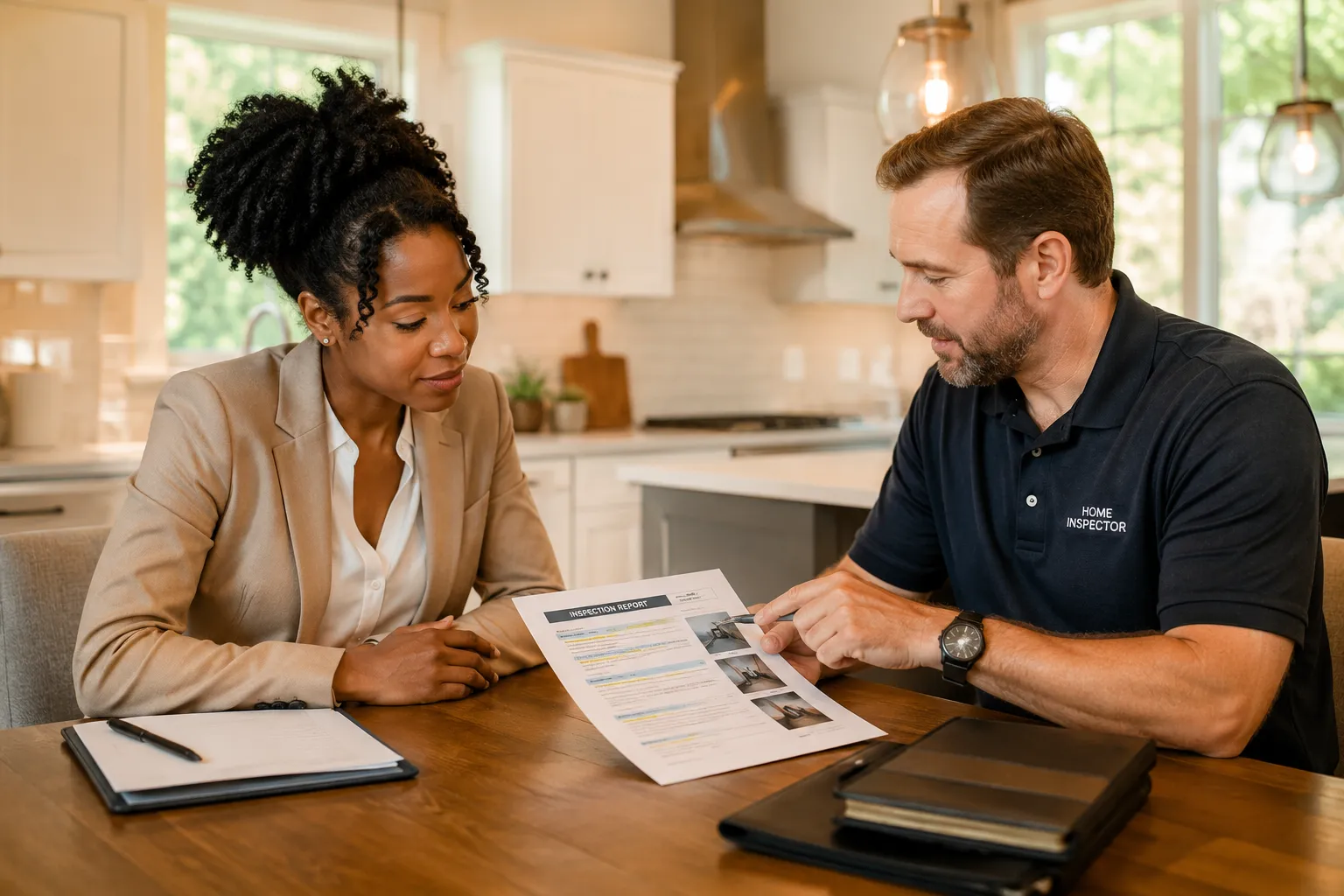
When the inspection reveals serious issues, you have four options: negotiate repairs, request a price reduction, ask for a seller credit at closing, or walk away.
Step 1: Get the inspection report in writing and review it with your real estate agent.
Step 2: Prioritize findings by severity, safety hazards and structural issues first.
Step 3: Get contractor estimates for the major items. This gives you real numbers to negotiate with.
Step 4: Submit a formal repair request or credit request to the seller through your agent.
Step 5: Evaluate the seller's response. If they refuse to address legitimate safety or structural issues, that tells you something important about how they have maintained the home.
For buyers who want to understand how seller credits work in practice, our breakdown of the home seller credits buyers ask for most is a fresh resource that covers exactly this scenario.
Can I Negotiate the Price After a Bad Inspection?
Yes, and buyers do it every day. The inspection period is a legitimate negotiating window built into most real estate contracts. A bad inspection report is not a dead end; it is leverage.
The most common outcomes after a problematic inspection:
- Seller makes repairs before closing (get them done by licensed contractors with permits)
- Price reduction to reflect the cost of deferred maintenance or needed repairs
- Seller credit at closing so you handle repairs after you take ownership
- Combination approach, some repairs done, some credited
The key is having real contractor estimates, not guesses. Sellers respond to numbers, not vague concerns. Our negotiation power moves guide goes deep on how to structure these conversations without blowing up the deal.
What Red Flags Mean I Shouldn't Buy the House?
Some findings on a home inspection checklist for buyers are negotiating points. Others are exit signs. Here is how to tell the difference.
Consider walking away when:
- The foundation shows active movement and the seller refuses to address it
- There is widespread mold throughout the structure, especially in HVAC systems
- The electrical system is a documented fire hazard and the seller won't credit repairs
- Evidence of major undisclosed flooding or structural damage appears throughout the home
- The cost of required repairs exceeds your budget and the seller won't negotiate
You can likely work through:
- An aging roof with years of life remaining (negotiate a credit)
- An older HVAC system that still functions (negotiate a credit or price reduction)
- Minor moisture issues in a crawl space with a clear, inexpensive solution
- Cosmetic deferred maintenance throughout
The extraordinary buyers, the ones who consistently get great deals, are the ones who know which problems to price in and which ones to run from.
Are Foundation Cracks a Dealbreaker?
Not automatically, but they require serious evaluation. The type, location, and pattern of the crack matters enormously.
- Vertical hairline cracks in poured concrete foundations are often the result of normal curing shrinkage and may be low concern.
- Horizontal cracks in basement walls indicate lateral soil pressure and are serious structural red flags.
- Stair-step cracks in brick or block foundations suggest differential settlement and warrant a structural engineer's review.
- Cracks with displacement (one side higher than the other) are a significant concern regardless of orientation.
If an inspector flags foundation issues, the next step is hiring a licensed structural engineer, not a foundation repair company, for an independent assessment. Foundation repair companies have a financial incentive to recommend repairs. A structural engineer does not. Let it cook before you see results: get that engineer's report before you make any decisions.
Should I Get a Second Opinion on Inspection Findings?
Yes, when the stakes are high enough. If a general inspector flags a potential structural issue, a possible mold problem, or an aging roof with unclear remaining life, bringing in a specialist is smart and completely normal.
Second opinions are especially worth it for:
- Foundation or structural concerns (hire a structural engineer)
- Suspected mold (hire a certified industrial hygienist or mold inspector)
- Roofing issues (get a roofing contractor's assessment)
- Electrical concerns (hire a licensed electrician)
- Sewer line issues (get a sewer scope inspection)
This is not about distrusting your inspector. It is about getting the right expert for the specific problem. A general home inspector is trained to identify issues across many systems, a specialist goes deeper on one.
What Happens If the Seller Won't Fix Inspection Issues?
If the seller refuses to repair, credit, or negotiate on legitimate inspection findings, you have a decision to make. You can accept the home as-is, renegotiate the price to reflect the issues, or exercise your inspection contingency and walk away.
Most real estate contracts in the U.S. include an inspection contingency that gives buyers the right to exit the deal within a specified window, typically five to ten days after the inspection, without losing their earnest money deposit.
Before you walk, make sure you have:
- A clear understanding of the true repair costs (get contractor estimates)
- Confirmed your contract includes an inspection contingency
- Discussed your options with your real estate agent
For buyers who are also tracking what sellers are thinking on their side of the table, our home sellers pricing strategies playbook for 2026 gives useful context on how motivated sellers actually think about concessions.
Can I Walk Away from a Home Sale After the Inspection?
Yes, if your contract includes an inspection contingency. This is one of the most buyer-protective clauses in a standard real estate purchase agreement, and it exists precisely for situations where the inspection reveals problems the buyer cannot accept.
To walk away cleanly:
- Confirm your contract has an inspection contingency clause.
- Submit your written notice to terminate within the contingency period.
- Your earnest money deposit should be returned in full.
If you waived the inspection contingency to compete in a hot market, your options are more limited. You may still be able to exit, but you could lose your earnest money. This is exactly why waiving inspection contingencies, a common move in competitive markets, carries real financial risk.
For buyers navigating the 2026 market, our spring home buying tips for the 2026 U.S. market covers when waiving contingencies makes sense and when it is simply too risky.
How Long Does a Home Inspection Take?
A standard home inspection for an average single-family home takes two to four hours. Larger homes, older homes, or properties with multiple structures can take four to six hours or more.
Plan to be present for the entire inspection if possible. Walking through with the inspector in real time gives you context that a written report alone cannot fully convey. Seeing the inspector point to an issue and explain it directly is worth more than reading about it after the fact.
Home Inspection Checklist for Buyers: State-Specific Notes (Florida)
For buyers using a home inspection checklist for buyers in Florida, a few additional items deserve extra attention given the state's climate and building history:
- Wind mitigation features, Florida insurers often require or reward documentation of hurricane straps, impact windows, and roof shape. A wind mitigation inspection is separate from a standard inspection and can significantly affect your insurance premium.
- Four-point inspection, Many Florida insurers require this for older homes, covering the four major systems: roof, electrical, plumbing, and HVAC.
- Sinkhole disclosure, Florida's geology makes sinkhole activity a real concern in certain counties. Ask about sinkhole history and consider sinkhole coverage in your insurance policy.
- Chinese drywall, Homes built between 2001 and 2009, particularly in South Florida, may contain defective Chinese drywall that causes corrosion and health issues.
A home inspection checklist for buyers in Florida should include all standard items plus these state-specific concerns. The same logic applies to new home inspection checklist for buyers in hurricane-prone coastal areas.
FAQ
What is a home inspection checklist for buyers?
It is a structured list of all the systems and structural components a home inspector evaluates during a property inspection. It covers the roof, foundation, electrical, plumbing, HVAC, and more. Buyers use it to understand what was inspected and to track findings that need follow-up.
Is a home inspection required to buy a house?
No, it is not legally required. But skipping it is one of the most expensive mistakes a buyer can make. Most real estate professionals consider it non-negotiable.
Where can I get a free home inspection checklist for buyers?
ASHI (American Society of Home Inspectors) and InterNACHI both offer free downloadable checklists on their websites. These are solid starting points for a printable home inspection checklist for buyers or a home inspection checklist pdf.
What is a new home inspection checklist for buyers?
It is a checklist specifically designed for newly constructed homes. It covers the same major systems but also includes builder-specific items like proper insulation installation, window sealing, HVAC commissioning, and code compliance. New construction homes need inspections too.
How is a home inspection checklist for sellers different?
A home inspection checklist for sellers is used to identify and address issues before listing the property. Sellers who do a pre-listing inspection can fix problems proactively, price the home accurately, and avoid surprises during the buyer's inspection period.
Can I use a do it yourself home inspection checklist?
Yes, as a supplement, not a replacement. A DIY checklist helps you do a preliminary walkthrough and flag obvious concerns. It does not replace a licensed inspector with professional tools and liability coverage.
What should I do with the inspection report after closing?
Keep it. It is a detailed record of the home's condition at the time of purchase. It is useful for budgeting future repairs, filing insurance claims, and understanding the home's systems when you eventually sell.
Does a new construction home inspection checklist pdf differ by state?
The core items are consistent, but local building codes and climate-specific concerns vary. In Florida, wind mitigation and moisture management get extra attention. In cold climates, insulation, heating systems, and ice dam prevention are priorities.
How do I find a good home inspector?
Look for inspectors certified by ASHI or InterNACHI. Check reviews, ask your real estate agent for referrals, and confirm the inspector carries errors and omissions insurance. Avoid inspectors recommended exclusively by the seller's agent.
Can the seller be present during the inspection?
Yes, but most agents advise sellers to leave. The buyer needs to feel comfortable asking questions and discussing findings openly with the inspector without the seller present.
Conclusion: Use the Home Inspection Checklist for Buyers as Your Last Line of Defense
The home inspection checklist for buyers is not a formality. It is the most actionable tool you have between making an offer and closing the deal. The 15 red flags covered here, from foundation cracks to unpermitted electrical work, represent the issues that separate a smart purchase from a costly mistake.
Here is what to do next:
- Download a free home inspection checklist for buyers from ASHI or InterNACHI before your inspection date.
- Hire a licensed, insured inspector with verifiable credentials, not the cheapest option on the list.
- Attend the inspection in person and ask questions.
- Review the report with your agent and get contractor estimates for any major findings.
- Use those estimates to negotiate repairs, credits, or a price reduction, or to walk away if the numbers do not work.
- For state-specific concerns (like the home inspection checklist for buyers in Florida), add the relevant local items to your standard checklist.
For first-time buyers who want a broader picture of what to expect throughout the buying process, our first-time home buyer complete guide covers everything from pre-approval to closing day.
The buyers who come out ahead are the ones who treat the inspection as an opportunity, not an obstacle. That is extraordinary preparation, and it is exactly what separates confident buyers from ones who spend years regretting what they missed.