


You know the feeling: you want an eco-friendly home that still looks sharp, but every product seems to come with a “green” claim and a lot of fine print.
Model No. keeps the conversation grounded with clean, timeless pieces, like sofas with FSC-certified hardwood frames, reclaimed wood tables, bamboo textiles, and pineapple leather accents.
This guide turns those materials into 14 eco-friendly home design ideas you can actually use, so you can make your home greener, protect indoor air quality, and choose interior design decisions that stand the test of time.
Here’s the plan: we’ll start with the big material choices (wood, recycled content, finishes), then move into energy, water, and the practical systems that keep a stylish home running efficiently.
Key Takeaways
- Prioritize “verified” materials over vibes: look for FSC for responsibly sourced wood, TSCA Title VI compliance for composite wood, and third-party low-emission standards for paints, flooring, and rugs.
- Use waste as a design asset: reclaimed wood, recycled textiles, mycelium composites, and plant-based leathers can look high-end while cutting landfill impact.
- Target the big utility drivers first: LEDs, air sealing, insulation, efficient windows, WaterSense fixtures, and heat pumps usually deliver the fastest comfort-per-dollar gains.
- Design for longevity: buy fewer, better pieces, choose repairable construction, and plan for easy maintenance so your furnishing lasts longer than trends.

Choosing Responsibly Sourced Wood for an Eco-Friendly Home Design
Wood is one of the most timeless interior materials you can bring into a living space, but “wood” is a broad category. The difference between responsibly sourced hardwood and mystery plywood shows up later, in durability, repairability, and indoor air quality.
If you want a simple first filter, look for FSC certification. The Forest Stewardship Council’s “check-tree” label is built around responsible forest management and chain-of-custody tracking, which helps you avoid sourcing that undermines forests and communities.
Now the practical part: many stylish pieces use engineered panels somewhere, even if the surface looks like solid wood. In the U.S., EPA rules require many composite wood products to meet TSCA Title VI formaldehyde emission standards, and you’ll often see this called out on labels or product paperwork (per EPA’s TSCA Title VI program).
- When you’re shopping: ask what parts are solid wood vs engineered, and whether any composite panels are TSCA Title VI compliant.
- When you’re buying upholstered seating: prioritize a frame that’s solid hardwood and well-joined, because that is what gives a sofa its long life.
- When you’re choosing showpiece pieces: reclaimed or salvaged species can add a rustic story without new harvesting.

Model No.’s Platform Sofa, Ottoman, and Chair lean into that longevity-first approach with sturdy FSC-certified hardwood frames and classic lines that stay stylish even as your decor ideas evolve.
The Mariposa Media Cabinet is a strong example of “source + function” done right, it pairs locally sourced, FSC-certified hardwoods with upcycled agricultural material, and it builds in ventilation and cord channels so your electronics run cleanly and look tidy.
Benefits of Recycled and Upcycled Materials in Sustainable Living Spaces

“Recycled pieces can cut waste, add character, and last longer than cheap trends.”
Recycled materials matter because home goods are a real waste stream, not just a design trend. EPA’s product-specific data shows that furniture and furnishings generated 12.1 million tons of waste in 2018, and the majority was landfilled (per EPA’s Facts and Figures data for furniture and furnishings).
That’s why upcycling and reclaimed wood furniture is more than a vibe. When you refinish a solid table, reupholster a chair, or choose a cabinet that uses reclaimed or recycled content, you keep bulky, long-lived materials out of landfills.
For soft goods, the story is similar. EPA also estimates that landfills received 11.3 million tons of textiles in 2018, which is a strong reason to treat rugs, curtains, and upholstery like long-term purchases, not seasonal decor items.
High-impact swaps that still look premium
- Reclaimed wood: choose it for coffee tables, shelves, and media consoles where the patina becomes part of the style.
- Regenerated nylon for rugs: materials like ECONYL can be made from waste like old carpets and fishing nets, and brands use it for durable textile surfaces that handle high traffic.
- Mycelium composites: companies like Ecovative grow mycelium-based materials that can compost at end of life, which is a useful direction for panels and decor where you want low petrochemical content.
- Plant-based leather alternatives: pineapple-leaf-based materials like Piñatex can add texture for accents and upholstery details without relying on animal hides.
One of my favorite “make your home” moves is to upcycle what you already own before buying new. A professional reupholstery job on a structurally sound chair can turn “dated” into “custom,” and you can spec the exact textile, foam density, and finish you want.
Importance of Energy-Efficient Lighting in Eco-Friendly Design
Lighting is the rare sustainable upgrade that improves both your bills and your daily experience. The trick is to treat it like a system: bulb choice, fixture choice, and control choice.
Start with LEDs. The U.S. Department of Energy notes that residential LEDs use at least 75% less energy and can last up to 25 times longer than incandescent lighting, which is why they’re usually the fastest payback for a stylish home refresh.
- Use warm color temperatures where you relax: bedrooms, living rooms, and dining areas usually feel best with warmer light.
- Use bright, neutral light where you work: kitchens, laundry rooms, and desks benefit from clearer task lighting.
- Add controls before you add fixtures: dimmers, timers, and motion sensors often cut waste with zero design downside.
- Max out daylight the right way: light walls, reflective surfaces, and sheer window layers can reduce daytime lighting needs without glare.
If you want an interior design win that feels immediate, replace the bulbs first, then adjust shade and placement. You’ll notice the space feels more intentional, even with the same furnishing.
Select Low-VOC Paints for a Safer, Healthier Home Environment

Paint is one of the most dramatic design levers in a room, and it’s also one of the easiest places to make your home healthier. VOCs are part of the reason, but the bigger idea is emissions, what comes off the product during and after application.
EPA’s indoor air guidance notes that studies have found levels of several organic pollutants can average 2 to 5 times higher indoors than outdoors. That’s why you should treat “low-VOC” as a starting point, not a guarantee.
Here’s the practical approach that avoids greenwash: choose paints and primers that are labeled low-VOC or zero-VOC, then backstop that choice with a third-party low-emissions certification when possible (like GREENGUARD Gold or Green Seal listings).
- Ventilate on purpose: open windows, run exhaust fans, and keep air moving during application and curing.
- Plan your sequence: paint first, then bring in rugs, drapes, and upholstered pieces to avoid trapping odors in textiles.
- Don’t forget adhesives: wallpaper paste, flooring glue, and even caulk can be bigger emission sources than the paint itself.
This is one of those “timeless design” moves that pays off quietly. You get the color and finish you want, and the room feels better to live in.
Incorporate Sustainable Textiles Like Bamboo and Organic Cotton
Textiles are where a room gets its comfort. They’re also where sustainability can get messy, because the fiber name alone rarely tells the whole story.
A useful mental model is “fiber + processing.” Bamboo, for example, can be grown quickly, but many bamboo fabrics are processed into rayon/viscose, so you should look for credible chemical management and low-emission certifications, not just the word “bamboo” on the label.
For cotton, the water footprint is the wake-up call. A widely cited water footprint estimate puts a cotton T-shirt around 659 gallons, about 2,720 liters, which is why recycled cotton and longer-lasting basics are such high leverage for sustainability.
What to look for when you buy textiles for your interior
- Organic cotton standards: look for GOTS for finished goods, or OCS for fiber-level organic content.
- Health-focused labels: OEKO-TEX style testing can help you screen for harmful residues in finished textiles.
- Manmade cellulosics done well: lyocell (often sold as TENCEL) can be a strong option when the producer runs a controlled, closed-loop process.
- Durability signals: ask for rub counts on upholstery fabric and choose tighter weaves for high-use seating.
If you want timeless elegance without the high-maintenance feel, start with linen, wool, and well-made cotton blends. Then add one “statement textile” that you can swap seasonally, instead of replacing everything.
For example, the Model No. Allium Dining Chair pairs classic form with practical materials, using sustainably sourced hardwood and vegetable-tanned leather for a dining setup that can age gracefully with use.
Decorate with Indoor Plants to Enhance Home Aesthetics Naturally
Indoor plants are still one of the best decor ideas for adding softness, movement, and life to a space. They also support that “look to nature” feel that makes minimalist rooms warmer and rustic rooms fresher.
That said, it’s worth being honest about air quality: a major review led by Drexel researchers found you would need 10 to 1,000 plants per square meter of floor space to match typical building ventilation for VOC removal. So, treat plants as an aesthetic and wellness choice first, and use ventilation, filtration, and low-emitting materials for real indoor air quality gains.
- Use plants to solve design problems: a tall plant can balance a heavy sofa arm, soften a corner, or anchor a reading chair.
- Choose durable planters: terracotta, ceramic, and metal last longer than thin plastic and look more timeless.
- Make maintenance easy: place plants where you can water without moving furniture and décor around every week.
If you want the “greener” look with less fuss, group a few medium plants together. The cluster reads intentional and stylish, even if each plant is simple.
Choose Low-Emitting Flooring and Rugs That Feel Good Underfoot
Flooring is a huge surface area, so it plays an outsized role in comfort and indoor air quality. The best eco-friendly materials are the ones that fit your lifestyle and stay good-looking through real wear.
If you’re comparing options, look for emissions testing, not just the material name. For hard surface flooring, FloorScore certification from SCS Global Services tests VOC emissions against California’s Section 01350 standard, including a defined list of individual VOCs.
For carpet and rugs, you can screen for low emissions with the Carpet and Rug Institute’s Green Label Plus program, which is designed to identify very low-emitting carpet, cushion, and adhesives.

| Option | Why it’s a strong sustainable choice | What to watch for |
|---|---|---|
| Cork | Renewable material harvested from cork oak bark, and designers note it can be collected about every nine years without harming the tree. | Check finishes and adhesives for low emissions, and protect from standing water. |
| Bamboo (solid or engineered) | Fast-growing source material and a clean, modern look that stays stylish. | Ask about adhesives and certifications, because processing can vary widely. |
| Reclaimed wood | Built-in character and a rustic warmth that often improves with age. | Confirm the subfloor, sealers, and any patch materials are low-emitting. |
| Low-emission hard surface + washable rug | Easy cleaning, flexible decor changes, and fewer dust traps. | Pick a rug with a verified low-emission program and avoid strong-odor backings. |
Build a Smarter Thermal Envelope: Air Sealing and Insulation
If you want sustainable results you can feel every day, start with the envelope: the parts of your home that control heat flow and drafts. This is one of the most cost-effective ways to make your home more comfortable.
ENERGY STAR estimates that homeowners can save an average of 15% on heating and cooling costs by air sealing and adding insulation in key areas like attics and floors.
- Find the leaks first: attic hatches, recessed lights, plumbing penetrations, and rim joists are common culprits.
- Use the right material: caulk for fixed gaps, weatherstripping for moving parts like doors and operable windows.
- Insulate after you seal: sealing first keeps insulation performing the way it should.
- Protect indoor air quality: don’t rely on random leakage for fresh air, use controlled ventilation.
This is the kind of upgrade that feels boring on paper and incredible in real life. Fewer drafts, fewer hot and cold spots, and a living space that’s easier to heat and cool.
Upgrade Windows for Comfort, Quiet, and Lower Energy Use
Windows sit at the intersection of style and comfort. They affect daylight, glare, drafts, and even how “finished” your interior looks.
If you’re replacing windows in the U.S., keep an eye on timing and documentation. The IRS lists the Energy Efficient Home Improvement Credit as ending for property placed in service after December 31, 2025, and it sets a $600 annual cap for qualifying exterior windows and skylights for the years it applies.
- Look for performance labels: NFRC labels help you compare efficiency ratings across models.
- Prioritize the right upgrades: if you have one drafty room, targeted replacement can beat a whole-house swap.
- Pair windows with shading: curtains, shades, and exterior shading can reduce summer heat gain without blocking your view.
For a timeless aesthetic, choose window styles that match the architecture, then keep the interior treatments simple. That’s how you “source” comfort without turning windows into a trend piece.
Save Water with WaterSense Fixtures and Leak-Smart Habits

Water efficiency is a design choice, too, because the fixtures you touch every day shape your routines. Swapping the right parts can reduce waste without changing how your home looks.
EPA’s WaterSense program certifies labeled products to use at least 20% less water while performing as well as standard models, which makes it one of the easiest “set it and forget it” sustainability upgrades.
- Start in the bathroom: showerheads, faucets, and toilets offer quick wins.
- Fix silent leaks: toilet flappers and dripping faucets can waste a surprising amount over time.
- Choose efficient irrigation controls: if you have outdoor watering, smart controllers can prevent “set it and forget it” overwatering.
- Match efficiency with style: WaterSense options now cover a wide range of finishes and looks, so you don’t have to trade aesthetics for performance.
Electrify Cooking with Induction for Cleaner Indoor Air
Cooking is a hidden indoor air quality driver, and it’s also one of the most satisfying places to modernize. Induction cooking gives you speed and control while reducing combustion inside your room in the home.
ENERGY STAR notes that induction transfers about 85% of heating energy to the cookware, compared to only about a third for gas cooking products. That efficiency is why many people find induction kitchens feel cooler and easier to ventilate.
- Check your cookware with a magnet: cast iron and many stainless steel pans work, some aluminum does not.
- Plan ventilation either way: even with electric cooking, you still want a vent that actually exhausts outdoors.
- Use induction for high-heat tasks: boiling, searing, and quick weeknight meals are where it shines.
If you want a stylish kitchen that’s also a healthier home, this is one of the cleanest upgrades you can make without changing your layout.
Upgrade Hot Water and HVAC with Heat Pumps
Heat pumps are one of the biggest levers for sustainable living in the U.S. because they move heat instead of generating it through combustion. That can cut energy use while improving comfort.
The Department of Energy explains that heat pump water heaters can be 2 to 3 times more energy efficient than conventional electric resistance water heaters.

ENERGY STAR also estimates that a certified heat pump water heater can save a household of four about $550 per year, with a payback around three years under typical assumptions.
- For water heaters: confirm you have adequate space and temperature range where the unit will sit.
- For HVAC: size the system correctly, oversized equipment tends to feel less comfortable and wastes energy.
- For planning: upgrade the envelope first, then right-size heating and cooling for the new load.
Done well, this is how you keep a home light and airy in summer and evenly warm in winter, without fighting your utility bills.
Add On-Site Clean Energy and Storage (Solar and Batteries)
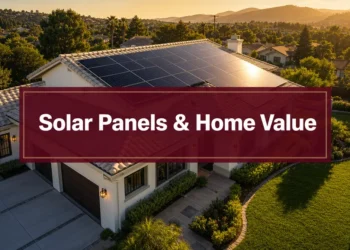
Solar can be a strong long-term move for an environmentally friendly home, especially when you pair it with efficiency upgrades first. A smaller, well-matched system often beats an oversized one.
Timing matters right now. The IRS’s Residential Clean Energy Credit page lists an early termination for many residential clean energy credits, stating the credit is not available for property placed in service after December 31, 2025. If you installed qualifying solar or battery storage by that date, you may still be able to claim it on the return for the year it was placed in service.
- Start with a load check: cut waste with LEDs, air sealing, and insulation before you size solar.
- Ask about panel placement: shading and roof orientation can matter as much as the panels themselves.
- Consider storage for resilience: batteries can support essential circuits during outages, depending on how your system is designed.
This is one of the few upgrades that changes the math of your home’s energy use. It can also support a more resilient lifestyle if your area sees grid stress or storms.
Set Up a “Low-Waste” Home System (Repair, Reuse, Compost)
A sustainable home isn’t just made from eco-friendly materials. It’s also built around habits and simple systems that keep waste from piling up.
EPA’s composting guidance highlights why organics are the priority: it notes that municipal solid waste landfills are a major methane source in the U.S., and that wasted food is responsible for a large share of landfill methane emissions. That’s your signal to treat composting as a home design decision, not a hobby.
- Create a sorting station: put recycling, landfill, and compost bins in one spot so the habit is frictionless.
- Buy repairable pieces of furniture: slipcovers, replaceable cushions, and standard hardware make repairs realistic.
- Keep a “rehome” box: one bin for donations reduces impulse trashing and makes vintage and antique circulation easier.
- Choose washable over disposable: washable cloths and refillable soap systems reduce daily waste without changing your interior style.
This is where sustainability turns into a lifestyle that still feels stylish. Your home decor looks intentional because you’re not constantly replacing things.
Conclusion
You can build a timeless, stylish eco-friendly home by choosing materials that last and finishes that keep your indoor air quality in mind.
Start with responsibly sourced wood, reclaimed wood furniture, and recycled materials, then lock in savings with LEDs, air sealing, and WaterSense fixtures.
Model No. shows how modern craftsmanship, clean materials, and thoughtful details can make your home greener without giving up comfort or design.
FAQs
1. What makes a home design eco friendly and timeless?
Eco friendly design uses environmentally friendly systems and durable materials. It follows the best sustainable practices to cut waste and save energy.
2. How do materials help a home stay timeless?
Using eco-friendly materials gives a clean, lasting look and lowers harm to nature. Reclaimed wood adds a rustic texture and ages well.
3. I am looking to create a timeless space, what should I pick?
If you are looking to create a timeless room, pick simple shapes, neutral colors, and strong materials.
4. Does wood work for eco style?
Wood adds a rustic charm and gives warmth to any space. Choose certified or reclaimed types to keep it environmentally friendly. This cuts new logging and keeps cost and waste low.