

Last updated: July 20, 2026

Quick Answer
Yes, Structurely's AI ISA can work leads continuously for up to a year through automated text and email conversations that qualify prospects, answer questions, and schedule appointments. The platform uses conversational AI trained specifically for real estate to engage leads within minutes of inquiry, maintain contact through long nurture cycles, and hand off qualified prospects to agents when they're ready to transact. Pricing starts around $500/month for solo agents, with higher tiers for teams requiring more lead volume and CRM integrations.
Key Takeaways
- Structurely's AI ISA responds to leads in under 5 minutes via text and email, maintaining conversations for up to 12 months until prospects are ready to buy or sell
- Pricing ranges from approximately $500-$1,500+ per month depending on lead volume, integrations, and team size
- The platform integrates with Follow Up Boss, kvCORE, CINC, and other major real estate CRMs to sync lead data and conversation history
- AI qualification includes property preferences, timeline, financing status, and motivation level before scheduling agent appointments
- Best suited for agents handling 50+ new leads monthly; solo agents with fewer than 20 leads per month may not see positive ROI
- Response rates typically improve 3-5x compared to manual follow-up, with speed-to-lead averaging under 3 minutes versus industry average of 47 minutes
- The AI cannot replace nuanced human judgment for complex situations, luxury markets, or highly skeptical leads who demand immediate human contact
What Is Structurely and How Does It Work for Real Estate Leads?
Structurely is a conversational AI platform designed specifically to act as an Inside Sales Agent (ISA) for real estate professionals. The system engages new leads through automated text messages and emails, asks qualification questions, answers common property and market inquiries, and schedules appointments with human agents when prospects demonstrate buying or selling intent.
The platform works by connecting to your lead sources, Zillow, Realtor.com, Facebook ads, website forms, or your CRM. When a new lead enters your system, Structurely's AI initiates contact within 1-5 minutes, introducing itself as your team's assistant. The conversation unfolds naturally through SMS or email, adapting responses based on the lead's answers.
Core functionality includes:
- Automated lead engagement via text and email within minutes of inquiry
- Natural language processing trained on millions of real estate conversations
- Qualification questions covering property type, location, timeline, budget, and financing
- Appointment scheduling with calendar integration
- Lead nurturing over weeks or months with periodic check-ins
- CRM synchronization to update lead status and conversation history
- Handoff protocols when leads meet qualification thresholds
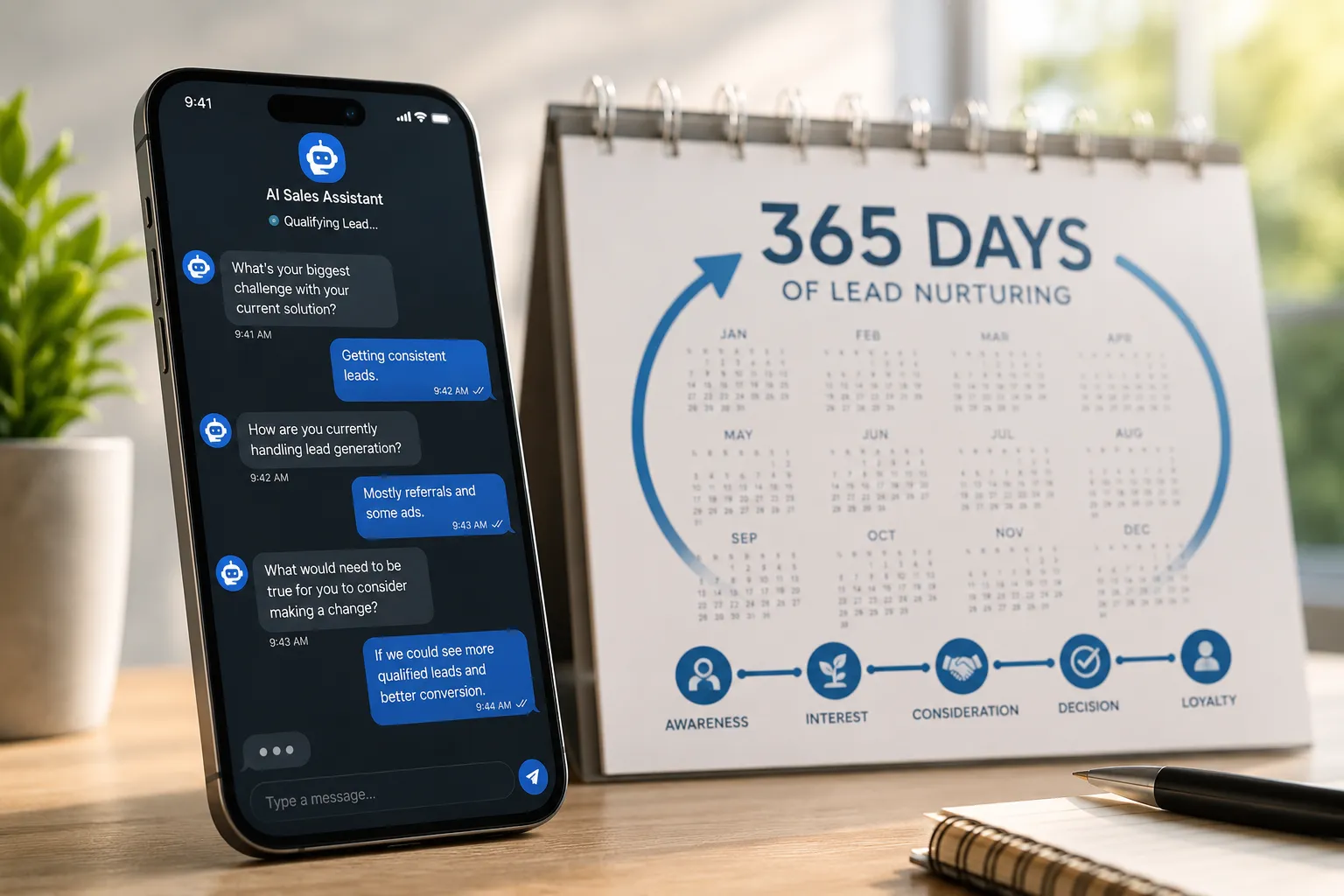
The AI maintains context across multiple conversations, remembering previous interactions and adjusting its approach based on lead behavior. If a prospect goes silent, Structurely continues periodic outreach for up to 12 months, reactivating cold leads without agent intervention.
For agents drowning in lead follow-up, this technology addresses the single biggest conversion killer in real estate: slow response time. Studies consistently show that contacting a lead within 5 minutes increases conversion rates by 900% compared to waiting 30 minutes. Structurely automates that critical first contact, ensuring no lead sits untouched while you're showing property or in a closing.
How Much Does Structurely Cost Per Month?
Structurely pricing operates on a tiered subscription model based on lead volume and feature requirements. As of 2026, the platform does not publish exact pricing on its website, requiring interested agents to request a custom quote. Based on industry reports and user reviews, here's what agents typically pay:
Solo Agent Tier: $500-$700/month
- Up to 100 leads per month
- Basic CRM integration (one platform)
- Text and email engagement
- Standard qualification workflows
- Appointment scheduling
Small Team Tier: $1,000-$1,500/month
- Up to 300 leads per month
- Multiple CRM integrations
- Custom qualification scripts
- Team calendar management
- Priority support
Enterprise Tier: $2,000+/month
- Unlimited leads
- Advanced integrations (Ylopo, CINC, custom APIs)
- Dedicated account manager
- Custom AI training on your market
- White-label options
Additional costs to consider:
- Setup fees ranging from $200-$500 for initial configuration and CRM integration
- Per-lead overage charges if you exceed your monthly allocation
- Premium integrations with certain CRM platforms may carry additional fees
Compared to hiring a human ISA at $35,000-$50,000 annually plus benefits, Structurely's cost structure becomes attractive for agents handling 50+ leads monthly. A human ISA working full-time can realistically manage 150-200 leads per month with quality follow-up. Structurely handles similar volume at roughly one-third the cost, with 24/7 availability and zero sick days.
The break-even calculation is straightforward: if the AI converts just one additional transaction per quarter that would have otherwise gone cold, the annual subscription pays for itself. For agents spending $1,000+ monthly on lead generation but lacking systematic follow-up, Structurely addresses the conversion gap between lead acquisition and appointment setting.
For current pricing specific to your lead volume and CRM requirements, contact Structurely directly through their website. Expect a discovery call to assess your needs before receiving a formal quote.

Can Structurely AI Actually Qualify Leads Without Human Help?
Yes, but with important limitations. Structurely's AI can effectively qualify leads for basic criteria, property type, location, price range, timeline, and financing status, without human intervention. The system asks structured questions through natural conversation, scores responses based on buying or selling intent, and flags high-priority leads for immediate agent contact.
What the AI qualifies well:
- Property preferences: Bedrooms, bathrooms, square footage, must-have features
- Location specificity: Neighborhoods, school districts, commute requirements
- Timeline clarity: Actively searching, 3-6 months out, just browsing
- Financial readiness: Pre-approved, need lender referral, cash buyer
- Motivation level: Urgency indicators like lease ending, job relocation, growing family
The AI uses a scoring algorithm that assigns points based on response patterns. A lead who says "I'm pre-approved and need to move in 60 days" receives a higher qualification score than someone who responds "just looking around." When a lead crosses the qualification threshold, Structurely notifies the agent via text, email, or CRM alert and offers to schedule an appointment.
Where the AI struggles:
- Luxury markets: High-net-worth clients often expect immediate human contact and may perceive AI engagement as impersonal or beneath their expectations
- Complex situations: Divorce sales, estate settlements, 1031 exchanges, and other nuanced transactions require human judgment the AI cannot provide
- Skeptical leads: Prospects who explicitly ask "Are you a real person?" or demand to speak with an agent immediately may disengage if the AI continues scripted responses
- Cultural and language nuances: While Structurely handles Spanish-speaking leads, subtle cultural communication preferences may not translate well through automated conversation
The platform's effectiveness depends heavily on lead source quality. Zillow leads, often early-stage and information-gathering, benefit from extended AI nurture. Facebook ad leads generated from specific listing promotions may require faster human handoff. Referrals and past clients typically expect personal contact and may react negatively to AI engagement.
Best practice: Configure Structurely to hand off high-intent leads immediately while nurturing lower-intent prospects over time. Set qualification thresholds that match your market and lead sources. Review AI conversation logs weekly to identify patterns where human intervention improves conversion.
For agents who've tested Structurely against human ISAs, the consensus is clear: the AI excels at initial contact speed and consistent follow-up over months, but cannot replace human relationship-building for leads ready to transact now. The ideal setup pairs Structurely for top-of-funnel engagement with human ISAs or agents handling mid-to-bottom funnel conversations.
Does Structurely Work for New Agents or Only Experienced Teams?

Structurely works best for agents and teams handling at least 50 new leads per month with systematic lead generation in place. New agents with fewer than 20 leads monthly will struggle to justify the $500+ monthly cost, as the ROI depends on converting leads who would otherwise go cold due to slow or inconsistent follow-up.
Ideal candidates for Structurely:
- Established solo agents spending $1,000+ monthly on lead generation (Zillow, paid ads, lead companies) but lacking time for immediate follow-up
- Small teams (2-5 agents) sharing lead costs and needing centralized qualification before distribution
- ISA-dependent teams looking to reduce human ISA workload or extend coverage to nights and weekends
- Agents with long sales cycles in markets where buyers and sellers research for 6-12 months before transacting
Poor fit scenarios:
- Brand-new agents with fewer than 10 leads per month, the cost outweighs the benefit when you can manually contact every lead within an hour
- Luxury specialists whose clients expect white-glove service from first contact and may perceive AI as impersonal
- Referral-heavy agents whose leads come primarily from past clients and sphere, these warm leads deserve immediate personal contact
- Agents without CRM discipline who won't review AI-qualified leads promptly or follow up on scheduled appointments
New agents often face a chicken-and-egg problem: they need lead volume to justify automation, but they need automation to handle lead volume effectively. If you're just starting out, focus first on mastering manual follow-up systems using a CRM designed for real estate agents and drip email templates before investing in AI.
When new agents SHOULD consider Structurely:
- You're on a team that provides leads and shares the platform cost
- You're investing heavily in paid advertising and generating 30+ leads monthly
- You have a second job or side business and cannot respond to leads during business hours
- You're in a high-volume market where speed-to-lead determines conversion
The platform's learning curve is minimal, setup takes 1-2 hours with support, and ongoing management requires 15-30 minutes daily reviewing qualified leads and conversation logs. The bigger challenge is developing the discipline to act on AI-qualified appointments and maintain the human relationship once the handoff occurs.
For experienced agents and teams, Structurely functions as a force multiplier, handling the repetitive qualification work that burns out human ISAs while freeing agents to focus on showings, negotiations, and closings. For new agents, it's a premature investment unless lead volume and budget support the monthly cost.

How Long Does It Take to Set Up Structurely for My CRM?
Initial Structurely setup typically takes 1-3 hours depending on your CRM complexity and customization requirements. The platform offers native integrations with major real estate CRMs including Follow Up Boss, kvCORE, CINC, LionDesk, and Wise Agent, plus Zapier connectivity for hundreds of other systems.
Standard setup process:
- Account creation and onboarding call (30-45 minutes): Structurely's team walks you through platform basics, discusses your lead sources, and maps out qualification criteria specific to your market
- CRM integration (15-30 minutes): Connect Structurely to your CRM via API or Zapier, map lead fields (name, phone, email, source), and configure two-way sync settings
- Qualification script customization (30-60 minutes): Review default conversation flows, adjust questions for your market (e.g., specific neighborhoods, price ranges, property types), and set qualification thresholds
- Calendar integration (10-15 minutes): Connect your Google Calendar, Outlook, or Calendly to enable automated appointment scheduling
- Testing and refinement (30-45 minutes): Send test leads through the system, review AI responses, adjust scripts based on your preferences
Integration complexity by CRM:
- Follow Up Boss: Seamless native integration, typically 15-20 minutes to connect and sync
- kvCORE: Native integration with lead routing options, 20-30 minutes including team assignment rules
- CINC: Direct API connection, 15-25 minutes for standard setup
- Custom or niche CRMs: May require Zapier middleware, adding 30-60 minutes for webhook configuration
Most agents complete setup within a single session. Structurely provides dedicated onboarding support, including screen-sharing sessions to walk through technical steps. If you're not tech-savvy, their team can handle the heavy lifting while you approve settings.
Post-setup optimization:
The first two weeks require active monitoring. Review every AI conversation to identify awkward phrasing, missed qualification opportunities, or leads that should have been handed off sooner. Structurely allows script adjustments on the fly, you can refine questions, add market-specific responses, and tune qualification scoring without technical expertise.
Common setup challenges:
- CRM field mapping: If your CRM uses custom fields for lead source or property preferences, you'll need to manually map these to Structurely's system
- Team calendar coordination: Multi-agent teams must decide whether the AI schedules with specific agents or uses round-robin assignment
- Lead source prioritization: Zillow leads may need different qualification scripts than Facebook ad leads, setup time increases if you want source-specific workflows
For agents switching from another AI ISA platform like Ylopo RAIYA, migration is straightforward. Export your lead database from the old system, import to Structurely, and the AI picks up where the previous platform left off. Conversation history doesn't transfer, but lead data and qualification status do.
If you're evaluating multiple platforms, factor setup time into your decision. Structurely's onboarding is faster than building custom AI workflows in platforms like marketing automation tools, but slower than plug-and-play solutions that sacrifice customization for speed.
Structurely vs Ylopo: Which Is Better for Lead Follow-Up?
Structurely and Ylopo RAIYA (Ylopo's AI assistant) both offer conversational AI for real estate lead engagement, but they serve different use cases and integrate into distinct ecosystems. The better choice depends on whether you prioritize standalone AI flexibility (Structurely) or an all-in-one lead generation and nurture platform (Ylopo).
Structurely strengths:
- CRM-agnostic: Works with any CRM via native integrations or Zapier, giving you flexibility to switch systems without losing AI functionality
- Faster setup: Onboarding takes 1-3 hours versus Ylopo's multi-day website and ad campaign configuration
- Transparent pricing: Subscription tiers based on lead volume, no forced bundling with lead generation services
- Customization depth: More granular control over conversation scripts, qualification thresholds, and handoff triggers
- Better for established agents: If you already have lead generation dialed in and just need AI follow-up, Structurely slots into your existing workflow
Ylopo RAIYA strengths:
- Integrated lead generation: Ylopo provides the website, IDX, Facebook ad management, and AI follow-up in one platform, ideal for agents who want turnkey solutions
- Retargeting ecosystem: RAIYA works within Ylopo's proprietary retargeting system, re-engaging leads across Facebook and Google based on property search behavior
- Higher lead volume handling: Built for teams generating 200+ leads monthly through Ylopo's advertising engine
- Unified reporting: All lead generation, AI engagement, and conversion metrics live in one dashboard
- Better for newer agents or teams: If you need both lead generation and AI follow-up, Ylopo's bundled approach simplifies vendor management
Head-to-head comparison:
| Feature | Structurely | Ylopo RAIYA |
|---|---|---|
| Pricing | $500-$1,500+/month | $1,000-$3,000+/month (includes lead gen) |
| CRM flexibility | Works with any CRM | Best with Ylopo's native CRM |
| Lead generation | Bring your own leads | Includes Facebook/Google ads |
| Setup time | 1-3 hours | 3-7 days (website + ads) |
| Customization | High, granular script control | Moderate, preset workflows |
| Best for | Solo agents, small teams with existing lead gen | Teams needing full-stack lead gen + AI |
Real-world scenarios:
- Choose Structurely if: You're spending $2,000+/month on Zillow, BoldLeads, or Facebook ads and need AI to handle follow-up while keeping your current CRM and lead sources
- Choose Ylopo if: You're starting from scratch or consolidating multiple vendors (website, IDX, ads, CRM, AI) into one platform
Both platforms integrate with Follow Up Boss and kvCORE, so CRM compatibility isn't a dealbreaker either way. The deciding factor is whether you want best-in-class AI follow-up (Structurely) or an all-in-one lead generation ecosystem (Ylopo).
For agents evaluating other AI ISA options, also consider platforms like CINC's built-in AI assistant (included with CINC subscription) and BoomTown's Engage AI (bundled with BoomTown CRM). These integrated options cost less than standalone Structurely but offer less customization and CRM flexibility.
If you're comparing lead generation software more broadly, remember that AI follow-up only matters if you're generating enough leads to justify the cost. Agents with fewer than 30 leads monthly should focus on improving lead quality and manual follow-up systems before investing in automation.
What Happens to Leads After Structurely Engages Them for a Year?
After 12 months of AI engagement, Structurely stops active outreach to leads who haven't converted or scheduled an appointment. The platform archives these long-term nurture leads in your CRM with full conversation history, allowing you to manually re-engage them or export the data for future campaigns.
Typical lead journey through Structurely:
- Days 1-7: Immediate engagement via text/email, qualification questions, property preference gathering, timeline assessment
- Weeks 2-4: Periodic check-ins (every 3-5 days) with market updates, new listing alerts, financing resources
- Months 2-6: Bi-weekly touchpoints asking if circumstances have changed, offering to schedule property tours or market consultations
- Months 7-12: Monthly check-ins maintaining relationship without aggressive sales pressure
Lead outcomes after one year:
- Converted leads (15-25%): Scheduled appointments, met with agent, entered active transaction pipeline
- Disqualified leads (30-40%): Explicitly stated they're no longer in market, bought elsewhere, or requested removal
- Long-term nurture (35-50%): Engaged periodically but never reached qualification threshold, these are archived after 12 months
The one-year cutoff exists because response rates drop dramatically after 12 months of no meaningful engagement. Leads who haven't scheduled an appointment or indicated buying/selling intent after a full year of AI nurture are statistically unlikely to convert through continued automated outreach.
What to do with archived leads:
- Export to email marketing: Move them to your email drip campaigns for quarterly market updates and annual check-ins
- Retargeting campaigns: Upload to Facebook Custom Audiences for low-cost brand awareness ads
- Manual re-engagement: Personally call or text leads who showed high engagement but never converted, sometimes a human touch breaks through where AI couldn't
- Data analysis: Review conversation logs to identify common objections or qualification gaps that prevented conversion
Structurely retains all conversation history indefinitely in your CRM, so if an archived lead contacts you two years later, you can review the full AI engagement timeline to understand their previous interests and objections.
Comparison to human ISA follow-up:
A human ISA typically gives up on unresponsive leads after 30-90 days due to time constraints and diminishing returns. Structurely's 12-month nurture window captures late-stage buyers and sellers who need extended timelines, job relocations that take a year to finalize, lease expirations 10 months out, or sellers waiting for market conditions to improve.
Industry data suggests 10-15% of leads who convert do so after 6+ months of nurture. Without systematic long-term follow-up, these delayed conversions fall through the cracks. Structurely's year-long engagement captures this segment without requiring agent or ISA time investment.
Reactivation strategies for archived leads:
After the 12-month mark, consider these manual reactivation tactics:
- Market shift announcements: When rates drop or inventory changes dramatically, personally reach out to archived leads with "remember when you were looking last year?" messaging
- Anniversary check-ins: On the one-year anniversary of their initial inquiry, send a personal video or voice message asking if their situation has changed
- Referral requests: Even if they didn't buy or sell, ask if they know anyone in the market, archived leads can become referral sources
The key insight: AI follow-up extends your nurture window from weeks to months, but it's not infinite. After a year, human creativity and personal relationship-building become necessary to reactivate cold leads.

Is Structurely Worth It for Low-Volume Agents?
No, Structurely is generally not worth the investment for agents generating fewer than 30-40 new leads per month. The $500+ monthly cost requires converting at least one additional transaction per quarter to break even, which is difficult when total lead volume is low and manual follow-up remains feasible.
Break-even math for low-volume agents:
- Monthly cost: $500 (solo agent tier)
- Annual cost: $6,000
- Average commission per transaction: $8,000-$12,000 (varies by market)
- Required additional conversions: 1 transaction every 6 months to justify cost
If you're generating 20 leads monthly (240 annually) with a 2% conversion rate, you're closing roughly 5 transactions per year. To justify Structurely, the AI must increase your conversion rate to 2.4% (6 transactions) or improve lead quality enough to close one extra deal.
When low-volume agents SHOULD consider Structurely:
- High lead cost: If you're paying $100+ per lead from Zillow or luxury lead sources, protecting that investment with immediate AI follow-up makes sense even at lower volume
- Part-time agents: If you have a full-time job and cannot respond to leads during business hours, Structurely's 24/7 engagement prevents missed opportunities
- Team cost-sharing: If you're on a small team splitting the subscription, per-agent cost drops to $150-$250/month, improving ROI
- High average commission: Luxury agents closing $20,000+ commission deals need fewer conversions to justify the cost
Better alternatives for low-volume agents:
- Manual follow-up systems: Use a real estate CRM with automated task reminders and email drip campaigns you control
- Virtual assistant ISA: Hire a part-time VA for $10-$15/hour to handle initial lead contact and qualification, more cost-effective at low volume
- Text automation tools: Platforms like SimpleTexting or EZ Texting offer basic automated responses for $50-$100/month without full AI conversation
- Time blocking: Dedicate 30 minutes twice daily to manually contact every new lead, feasible when volume is under 40/month
The harsh reality: if you're generating fewer than 30 leads monthly, your problem isn't follow-up speed, it's lead generation volume. Investing in lead generation strategies or marketing automation will deliver better ROI than AI follow-up at this stage.
Volume threshold by market:
- High-commission markets (luxury, commercial): 20-30 leads/month may justify Structurely if average commission exceeds $15,000
- Mid-market residential: 40-50 leads/month needed to justify cost at $8,000-$10,000 average commission
- High-volume, low-commission markets: 60+ leads/month required if average commission is under $6,000
The platform's value proposition scales with volume. At 100+ leads monthly, Structurely becomes impeccable, handling qualification work that would require a full-time human ISA. At 20 leads monthly, it's an expensive luxury that won't move the needle on your business growth.
Structurely Alternatives That Are Cheaper
Several AI ISA platforms and lead follow-up tools offer similar functionality to Structurely at lower price points, though most sacrifice customization, CRM flexibility, or conversation quality to hit cheaper tiers.
Budget-friendly alternatives:
1. CINC AI Assistant (included with CINC subscription)
- Cost: $0 additional (included in $500-$800/month CINC platform)
- Pros: No extra charge if you're already using CINC for lead generation and CRM
- Cons: Less sophisticated than Structurely, limited customization, only works within CINC ecosystem
- Best for: Agents already committed to CINC who want basic AI follow-up without additional cost
2. BoomTown Engage AI (included with BoomTown)
- Cost: $0 additional (included in $1,000+/month BoomTown subscription)
- Pros: Integrated with BoomTown's lead generation and CRM, no separate vendor
- Cons: Expensive overall platform cost, AI is secondary feature not primary focus
- Best for: Teams already using BoomTown for lead gen who want bundled AI
3. Ylopo RAIYA (bundled with Ylopo)
- Cost: $1,000-$3,000/month (includes lead generation, website, AI)
- Pros: All-in-one solution, strong retargeting, high lead volume handling
- Cons: More expensive than standalone Structurely, requires commitment to Ylopo ecosystem
- Best for: Agents needing full-stack lead generation plus AI follow-up
4. Verse.ai
- Cost: $300-$600/month depending on volume
- Pros: Lower entry price, works across industries (not real estate-specific), flexible integrations
- Cons: Generic conversation scripts require heavy customization, less real estate expertise than Structurely
- Best for: Budget-conscious agents willing to invest time in script customization
5. SmartZip (includes AI assistant)
- Cost: $500-$1,000/month (includes predictive analytics and AI follow-up)
- Pros: Combines seller lead identification with AI nurture, strong for listing agents
- Cons: Focused on seller leads, less effective for buyer lead follow-up
- Best for: Listing-focused agents who want predictive seller targeting plus AI engagement
6. DIY automation (Zapier + text automation)
- Cost: $100-$200/month (Zapier Pro + SimpleTexting or similar)
- Pros: Cheapest option, full control over workflows
- Cons: No true AI conversation, just triggered text sequences, requires technical setup
- Best for: Tech-savvy agents with low lead volume who want basic automated responses
Feature comparison:
| Platform | Monthly Cost | CRM Flexibility | Conversation Quality | Setup Complexity |
|---|---|---|---|---|
| Structurely | $500-$1,500 | High | Excellent | Low |
| CINC AI | $0 (bundled) | Low | Good | Very Low |
| Verse.ai | $300-$600 | High | Good | Medium |
| SmartZip | $500-$1,000 | Medium | Good | Low |
| DIY Zapier | $100-$200 | High | Poor | High |
What you sacrifice with cheaper alternatives:
- Conversation sophistication: Budget AI platforms use simpler scripts that feel more robotic and less natural
- Real estate expertise: Generic AI assistants lack property-specific knowledge and qualification frameworks
- Integration depth: Cheaper tools often require manual data transfer or limited CRM sync
- Support quality: Lower-cost platforms typically offer email-only support versus dedicated onboarding
When to choose cheaper alternatives:
- You're generating 20-40 leads monthly and can't justify Structurely's cost
- You're already paying for a platform (CINC, BoomTown) that includes basic AI
- You're tech-savvy and willing to build DIY automation workflows
- You need simple automated responses, not sophisticated AI conversation
When to stick with Structurely despite higher cost:
- You're generating 60+ leads monthly and need enterprise-grade AI
- You value CRM flexibility and don't want to be locked into one ecosystem
- Conversation quality directly impacts your brand (luxury, high-touch markets)
- You lack technical skills and need white-glove onboarding support
The best alternative depends on your current tech stack. If you're already using Follow Up Boss or kvCORE and generating solid lead volume, Structurely's standalone focus and CRM flexibility justify the premium. If you're on CINC or BoomTown, use their included AI before paying for a separate platform.
For agents just starting with AI follow-up, consider beginning with a cheaper option to prove the concept, then upgrading to Structurely once lead volume and conversion data justify the investment. Let it cook before you see results, AI follow-up takes 60-90 days to demonstrate measurable ROI.
Does Structurely Integrate With Follow Up Boss and kvCORE?
Yes, Structurely offers native integrations with both Follow Up Boss and kvCORE, along with dozens of other real estate CRMs. These integrations sync lead data bidirectionally, update conversation history in real-time, and trigger AI engagement automatically when new leads enter your system.
Follow Up Boss integration features:
- Automatic lead sync: New leads added to Follow Up Boss trigger immediate Structurely engagement via text or email
- Conversation logging: All AI interactions appear in the Follow Up Boss activity timeline, giving agents full visibility into qualification progress
- Status updates: When Structurely qualifies a lead or schedules an appointment, Follow Up Boss status fields update automatically
- Tag application: The AI can apply custom tags (e.g., "AI Qualified," "Hot Lead," "Long-term Nurture") based on conversation outcomes
- Action plan integration: Qualified leads can be automatically added to Follow Up Boss action plans for human agent follow-up
kvCORE integration features:
- Lead routing: Structurely can route qualified leads to specific agents or teams within kvCORE based on territory, specialty, or round-robin assignment
- Smart CRM sync: Property search activity in kvCORE informs Structurely's conversation, if a lead views listings in a specific neighborhood, the AI references those properties
- Appointment scheduling: Structurely books directly into agent calendars connected to kvCORE
- Behavioral triggers: When leads engage with kvCORE's IDX or email campaigns, Structurely can initiate follow-up conversations based on that activity
Setup process for both platforms:
- Navigate to Structurely's integrations dashboard
- Select Follow Up Boss or kvCORE from the CRM list
- Authenticate using your CRM API key or OAuth login
- Map lead fields (name, phone, email, source, custom fields)
- Configure sync settings (one-way vs. two-way, sync frequency)
- Test with a sample lead to verify data flow
Setup typically takes 15-30 minutes for either platform. Structurely provides step-by-step documentation and offers screen-sharing support if you encounter issues.
Other supported CRM integrations:
- LionDesk
- CINC
- Wise Agent
- Real Geeks
- Chime
- BoomTown
- Salesforce
- HubSpot
- Zapier (for hundreds of other platforms)
Integration limitations to know:
- Custom field mapping: If your CRM uses non-standard fields for lead source or property preferences, manual mapping is required
- Sync delays: Most integrations sync every 5-15 minutes, not instantaneously, leads may experience slight delays between CRM entry and AI contact
- Conversation history: While Structurely logs all interactions, some CRMs display this data differently (e.g., as notes vs. timeline events)
For agents using Follow Up Boss or kvCORE, Structurely's integration quality is extraordinary. The platforms communicate seamlessly, eliminating the manual data entry and status updates that plague less sophisticated integrations.
If you're evaluating CRMs specifically for AI compatibility, both Follow Up Boss and kvCORE rank among the top choices for real estate professionals. Follow Up Boss excels at simplicity and user experience, while kvCORE offers more built-in lead generation tools. Either pairs well with Structurely's AI follow-up capabilities.
Can Structurely Handle Spanish-Speaking Leads?
Yes, Structurely offers Spanish-language conversation capabilities, allowing the AI to engage, qualify, and nurture Spanish-speaking leads through text and email. The platform detects language preference based on initial lead response and switches to Spanish conversation flows automatically.
How Spanish language support works:
- Automatic detection: If a lead responds in Spanish, Structurely recognizes the language and continues the conversation in Spanish
- Manual configuration: Agents can pre-set language preference for specific lead sources (e.g., Spanish-language Facebook ads)
- Bilingual qualification: The AI asks the same qualification questions in Spanish, maintaining conversation quality and natural phrasing
- Agent handoff: When scheduling appointments, Structurely can route Spanish-speaking leads to bilingual agents on your team
Spanish conversation quality:
Structurely's Spanish language model is trained on real estate-specific terminology and conversational patterns used in U.S. Hispanic markets. The AI handles common property questions, financing discussions, and timeline qualification in natural Spanish, avoiding the awkward machine-translation phrasing that plagues generic AI platforms.
Limitations of Spanish support:
- Regional variations: The AI uses neutral Latin American Spanish, which may not capture regional dialects or slang from specific countries
- Complex legal questions: Nuanced discussions about contracts, disclosures, or financing terms may require human bilingual agent intervention
- Cultural communication styles: Some Hispanic cultures prefer more formal or relationship-focused communication that AI struggles to replicate
Best practices for Spanish-speaking lead engagement:
- Set clear expectations: Configure Structurely to introduce itself as an AI assistant in Spanish, so leads understand they're not texting a human
- Route to bilingual agents: Ensure qualified Spanish-speaking leads are assigned to agents who can continue the conversation in Spanish
- Review conversation logs: Periodically check Spanish conversations to identify phrasing improvements or cultural nuances the AI misses
- Supplement with human touch: For high-value Spanish-speaking leads, consider having a bilingual team member send a personal video introduction after initial AI qualification
Comparison to competitors:
Most AI ISA platforms offer Spanish support, but quality varies significantly. Structurely's Spanish conversations rank among the best in real estate AI, comparable to Ylopo RAIYA and superior to generic platforms like Verse.ai that serve multiple industries.
For agents in markets with significant Spanish-speaking populations, Miami, Los Angeles, Houston, Phoenix, San Antonio, bilingual AI follow-up is essential. Without it, you're effectively ignoring 20-40% of your lead pool or forcing bilingual team members to handle all initial contact manually.
Additional language support:
As of 2026, Structurely primarily supports English and Spanish. The platform does not offer robust support for other languages like Mandarin, Vietnamese, or Tagalog, which limits its effectiveness in highly diverse markets with multiple language communities.
If your market requires multilingual support beyond English and Spanish, consider hiring bilingual virtual assistants or ISAs to handle initial contact for those language groups, then using Structurely for English and Spanish leads only.
What Types of Leads Does Structurely Work Best With?
Structurely performs best with high-volume, early-stage leads from digital sources like Zillow, Realtor.com, Facebook ads, and website forms, prospects who are researching properties but not yet ready to transact. The AI excels at nurturing these cold-to-warm leads over weeks or months until they reach buying or selling readiness.
Ideal lead types for Structurely:
1. Zillow and Realtor.com leads
- Why they work: These leads are early-stage researchers expecting automated follow-up, not immediate agent contact
- AI advantage: Structurely engages instantly, qualifies property preferences, and nurtures over months as leads progress through their search
- Conversion timeline: 3-6 months average from initial contact to appointment
2. Facebook and Google ad leads
- Why they work: Leads from paid advertising are often information-gathering, not transaction-ready
- AI advantage: The AI provides instant response to ad inquiries, answers common questions, and schedules appointments when intent increases
- Conversion timeline: 1-4 months depending on ad targeting and offer
3. Website form submissions
- Why they work: Leads filling out property search or home valuation forms expect quick response but may not be ready to talk to an agent
- AI advantage: Structurely captures contact information, qualifies interest level, and maintains engagement without requiring immediate agent time
- Conversion timeline: 2-6 weeks for hot leads, 3-6 months for cold leads
4. Open house sign-ins
- Why they work: Open house visitors are actively looking but often not ready to commit to an agent relationship
- AI advantage: The AI follows up immediately after the open house, asks qualification questions, and schedules private showings for serious buyers
- Conversion timeline: 1-8 weeks depending on buyer urgency
5. Expired listing leads
- Why they work: Sellers with expired listings need time to decide whether to relist, but they're warm prospects
- AI advantage: Structurely maintains contact without the aggressive sales pressure that turns off frustrated sellers
- Conversion timeline: 2-4 months as sellers process their options
Lead types where Structurely underperforms:
1. Referrals and past clients
- Why they struggle: Warm leads from your sphere expect personal contact, not AI engagement
- Better approach: Personally call or text these leads immediately, then use Structurely only if they don't respond
2. Luxury and high-net-worth leads
- Why they struggle: Affluent clients often perceive AI follow-up as impersonal or beneath their expectations
- Better approach: Human contact within 5 minutes, with Structurely handling only long-term nurture if they go cold
3. FSBO (For Sale By Owner) leads
- Why they struggle: FSBO sellers are skeptical of agents and may disengage if they realize they're texting an AI
- Better approach: Personal outreach with value-focused messaging, using Structurely only for extended nurture
4. Investor leads
- Why they struggle: Real estate investors ask detailed financial questions (cap rates, cash flow, 1031 exchanges) that require human expertise
- Better approach: Quick human qualification, then Structurely for deal alerts and market updates
Lead source quality matters more than volume:
Structurely amplifies the quality of your lead sources, it cannot fix fundamentally poor leads. If you're buying $20 leads from low-quality vendors that never convert, AI follow-up won't change that outcome. The platform works best when paired with proven lead generation strategies that deliver genuine buyer and seller intent.
Optimization by lead source:
- High-intent sources (referrals, past clients): Disable Structurely or set immediate human handoff
- Medium-intent sources (Zillow, Realtor.com): Standard AI qualification with 3-6 month nurture
- Low-intent sources (Facebook ads, website forms): Extended AI nurture with qualification threshold before agent contact
The platform's flexibility allows you to customize engagement by lead source, ensuring high-value leads receive appropriate attention while cold leads get systematic nurture without burning agent time.
Common Mistakes When Using Structurely AI for Lead Nurture
Even with sophisticated AI, agents make predictable mistakes that undermine Structurely's effectiveness. These errors typically stem from treating the AI as "set it and forget it" automation rather than a tool requiring ongoing management and optimization.
Mistake 1: Ignoring AI-qualified leads
The most common failure is letting Structurely qualify leads to appointment-ready status, then failing to follow up promptly. The AI does its job, engages, qualifies, schedules, but the agent doesn't show up for the appointment or delays contact for days.
Fix: Set up CRM alerts and text notifications for qualified leads. Treat AI-scheduled appointments with the same urgency as self-scheduled appointments. If you can't respond within 2 hours, the AI's speed advantage is wasted.
Mistake 2: Never reviewing conversation logs
Agents who never read AI conversation transcripts miss critical insights: common objections, qualification gaps, awkward phrasing, or leads who should have been handed off sooner.
Fix: Spend 15 minutes weekly reviewing a sample of AI conversations. Look for patterns where leads disengage, questions the AI struggles to answer, or qualification criteria that need adjustment.
Mistake 3: Using default scripts without customization
Structurely's default conversation flows are generic. Agents who never customize scripts for their market, price points, or lead sources get mediocre results.
Fix: Adjust qualification questions to match your market. If you specialize in new construction, add questions about builder preferences. If you work in a school-focused market, emphasize school district questions. Make the AI sound like your team, not a generic assistant.
Mistake 4: Failing to set appropriate qualification thresholds
Some agents set qualification bars too high, causing the AI to nurture leads for months who are actually ready to transact now. Others set thresholds too low, flooding their calendar with unqualified appointments.
Fix: Review your first 50 AI-qualified leads and assess accuracy. If more than 30% of scheduled appointments are no-shows or unqualified, raise the threshold. If you're not getting enough appointments, lower it.
Mistake 5: Not differentiating by lead source
Treating all leads the same, whether they're Zillow inquiries, Facebook ad clicks, or referrals, results in poor conversion. Different sources require different engagement strategies.
Fix: Create source-specific workflows. Zillow leads get extended nurture. Referrals get immediate human handoff. Facebook ad leads get qualification focused on the specific property or offer that generated the click.
Mistake 6: Letting the AI handle complex situations
Agents who let Structurely engage with divorce sales, estate settlements, 1031 exchanges, or other complex transactions frustrate leads who need human expertise.
Fix: Configure handoff triggers for keywords like "divorce," "estate," "1031," "foreclosure," or "short sale." These situations require immediate human contact, not AI qualification.
Mistake 7: Ignoring response rate data
Structurely provides metrics on response rates, engagement duration, and qualification success. Agents who never review these metrics miss opportunities to optimize performance.
Fix: Monthly, review response rates by lead source, time of day, and conversation length. If certain sources show 10% response rates while others hit 40%, investigate why and adjust your lead generation strategy accordingly.
Mistake 8: Over-relying on AI for relationship building
The biggest strategic mistake is believing AI can replace human relationship-building. Structurely handles qualification and scheduling, but it cannot build the trust and rapport that close transactions.
Fix: Once a lead is qualified, take over personally. Send a video introduction, make a phone call, or text personally. The AI gets you to the conversation, you close the deal.
Mistake 9: Not training team members on AI handoffs
On teams where multiple agents receive AI-qualified leads, confusion about who follows up and when leads to dropped opportunities.
Fix: Establish clear protocols: Who receives qualified leads? What's the expected response time? How do agents mark leads they're actively working? Document the process and train every team member.
Mistake 10: Expecting instant results
Agents who launch Structurely and expect immediate ROI within 30 days get frustrated and cancel before the AI proves its value. Lead nurture is a long game, most AI-generated conversions happen 60-180 days after initial contact.
Fix: Commit to 90 days minimum before evaluating ROI. Track leading indicators (response rates, qualification rates, appointment bookings) rather than just closed transactions in month one.
The pattern across these mistakes is clear: Structurely works best when agents treat it as a tool requiring active management, not a magic solution that runs itself. The AI handles the repetitive work, but human judgment, customization, and follow-through determine whether it delivers ROI.
Structurely Review: Can an AI ISA Really Work Leads for a Year?, Final Verdict
So based on everything we've covered, here's the honest verdict: Structurely can absolutely work leads for a year, and it does so more consistently than most human ISAs. But whether it's worth the investment depends entirely on your lead volume, budget, and willingness to actively manage the platform.
Who should buy Structurely:
- Agents generating 50+ new leads monthly who struggle with timely follow-up
- Teams spending $1,500+ monthly on lead generation who need to protect that investment
- Established agents looking to scale without hiring full-time ISAs
- Part-time agents who cannot respond to leads during business hours
- Agents in markets with long sales cycles (6-12 months) where extended nurture drives conversions
Who should skip Structurely:
- New agents with fewer than 30 leads monthly, the cost outweighs the benefit
- Luxury specialists whose clients expect white-glove human service from first contact
- Referral-heavy agents whose leads are already warm and deserve personal attention
- Agents without CRM discipline who won't follow up on AI-qualified appointments
- Budget-conscious agents who can manually contact every lead within an hour
The real value proposition:
Structurely doesn't replace human agents, it extends your capacity to engage leads at scale. The AI handles the repetitive qualification work that burns out ISAs and bores agents, freeing you to focus on showings, negotiations, and closings. For agents drowning in lead follow-up, it's a force multiplier. For agents with manageable lead volume, it's an expensive luxury.
ROI reality check:
At $500-$1,500 monthly, Structurely needs to generate one additional closing every 3-6 months to break even. For agents converting 2-3% of leads, the AI must either increase conversion rate by 0.5-1% or prevent lead leakage from slow follow-up. Based on industry benchmarks showing 5-minute response times increase conversion by 900%, the math works, if you're currently slow to respond.
The fresh take:
Most AI ISA reviews focus on features and pricing. The real question is whether you have the discipline to act on AI-qualified leads. Structurely can engage, qualify, and schedule appointments, but if you're not showing up for those appointments or following up within hours, the platform can't save you. The AI is impeccable at its job, the weak link is usually the human agent who doesn't treat AI-generated appointments with the same urgency as self-generated leads.
Bottom line:
Structurely is worth it for agents who've already mastered lead generation and need systematic follow-up to maximize conversion. It's not worth it for agents still figuring out their lead sources or those who can manually handle their current volume. Let it cook for 90 days before judging results, AI follow-up is a long game, not a quick fix.
If you're ready to explore Structurely, request a demo through their website and come prepared with your monthly lead volume, current CRM, and lead sources. The sales team will walk you through pricing and setup, but remember: the platform is only as good as your commitment to following up on the leads it qualifies.
For agents still evaluating whether AI follow-up fits their business, start by auditing your current response time and conversion rate. If you're responding to leads within 5 minutes and converting 3%+, you may not need Structurely yet. If leads sit for hours or days before first contact, the AI will pay for itself quickly.
The future of real estate lead management isn't human OR AI, it's human AND AI working together. Structurely handles the scale and consistency that humans struggle with, while agents provide the relationship-building and expertise that AI cannot replicate. Get that balance right, and the platform becomes one of the best investments in your tech stack.
Frequently Asked Questions
How quickly does Structurely respond to new leads?
Structurely typically responds to new leads within 1-5 minutes of inquiry, depending on CRM sync speed and lead source integration. This speed-to-lead advantage dramatically outperforms human ISAs, who average 47 minutes for first contact according to industry benchmarks.
Can I customize what Structurely says to my leads?
Yes, Structurely allows extensive customization of conversation scripts, qualification questions, and response phrasing. You can adjust language to match your brand voice, add market-specific questions, and configure handoff triggers based on your qualification criteria.
Does Structurely work with leads who prefer phone calls over text?
Structurely primarily engages via text message and email. The platform does not make outbound phone calls. For leads who explicitly request phone contact, the AI can schedule a call with your team, but it cannot conduct voice conversations.
What happens if a lead asks a question Structurely can't answer?
When Structurely encounters questions outside its knowledge base, it acknowledges the question and offers to connect the lead with a human agent. The AI logs the unanswered question in your CRM, allowing you to follow up personally with the information requested.
Can Structurely schedule appointments directly into my calendar?
Yes, Structurely integrates with Google Calendar, Outlook, and Calendly to schedule appointments directly. You set your availability preferences, and the AI books qualified leads into open time slots, sending confirmation to both you and the lead.
How does Structurely handle leads who stop responding?
Structurely continues periodic outreach to unresponsive leads for up to 12 months, sending check-in messages every few weeks. The AI varies its approach, market updates, new listing alerts, financing resources, to re-engage cold leads without aggressive sales pressure.
Is there a contract commitment or can I cancel anytime?
Structurely typically requires a 3-6 month minimum commitment, though specific contract terms vary by subscription tier. Month-to-month options may be available at higher pricing. Confirm cancellation terms before signing.
Can multiple agents on my team use one Structurely account?
Yes, Structurely supports team accounts with lead routing to specific agents based on territory, specialty, or round-robin assignment. Each agent can access their assigned leads and conversation history through the platform or integrated CRM.
Does Structurely work for commercial real estate leads?
Structurely is designed primarily for residential real estate. While it can handle basic commercial lead qualification, the AI lacks the specialized knowledge for complex commercial transactions, investment analysis, or lease negotiations. Commercial agents may find limited value.
How does Structurely compare to hiring a human ISA?
Structurely costs $6,000-$18,000 annually versus $35,000-$50,000+ for a full-time human ISA. The AI provides 24/7 coverage and instant response but cannot build relationships or handle complex situations like a skilled human ISA. The best approach often combines both.
Can I see examples of actual Structurely conversations before buying?
Yes, Structurely provides sample conversation transcripts during the demo process. Request to see examples specific to your lead sources (Zillow, Facebook ads, website forms) to evaluate conversation quality and qualification effectiveness.
What metrics does Structurely provide to track performance?
Structurely tracks response rates, engagement duration, qualification success rates, appointment booking rates, and conversion outcomes. The platform provides dashboard analytics and can export data to your CRM for deeper analysis.