


Last updated: May 24, 2026

Quick Answer: The best states to invest in real estate in 2026 are Texas, Florida, Tennessee, North Carolina, Indiana, and Ohio — ranked by a combination of population growth, landlord-friendly laws, cap rates, property tax rates, and rental demand. Each of these markets offers a distinct advantage depending on whether you’re chasing cash flow, appreciation, or both.
Key Takeaways
- Texas and Florida lead for population growth and long-term appreciation, but entry prices are rising fast.
- Indiana and Ohio are the top cash flow states right now, with some of the highest cap rates in the country for single-family rentals.
- Tennessee is the sweet spot for investors who want appreciation AND solid rent growth without California-style regulations.
- North Carolina is quietly becoming one of the best places to invest in real estate, driven by tech migration and a landlord-friendly legal environment.
- Landlord-tenant laws vary wildly by state — choosing the wrong state can cost you more than a bad deal.
- Property taxes in Texas are high (around 1.6–1.8% effective rate), which eats into cash flow despite strong rent growth.
- New investors can get started with as little as $5,000–$10,000 using REITs, crowdfunding, or DSCR loans with low down payments.
- Overvalued markets like California, New York, and parts of coastal Florida carry the most risk in 2026.
- Cap rates in the best investor markets range from 6% to 9% for residential rentals, compared to 3–4% in overheated coastal cities.
- The income you need to qualify for a real estate investment loan depends heavily on the loan type — DSCR loans evaluate the property’s income, not yours.
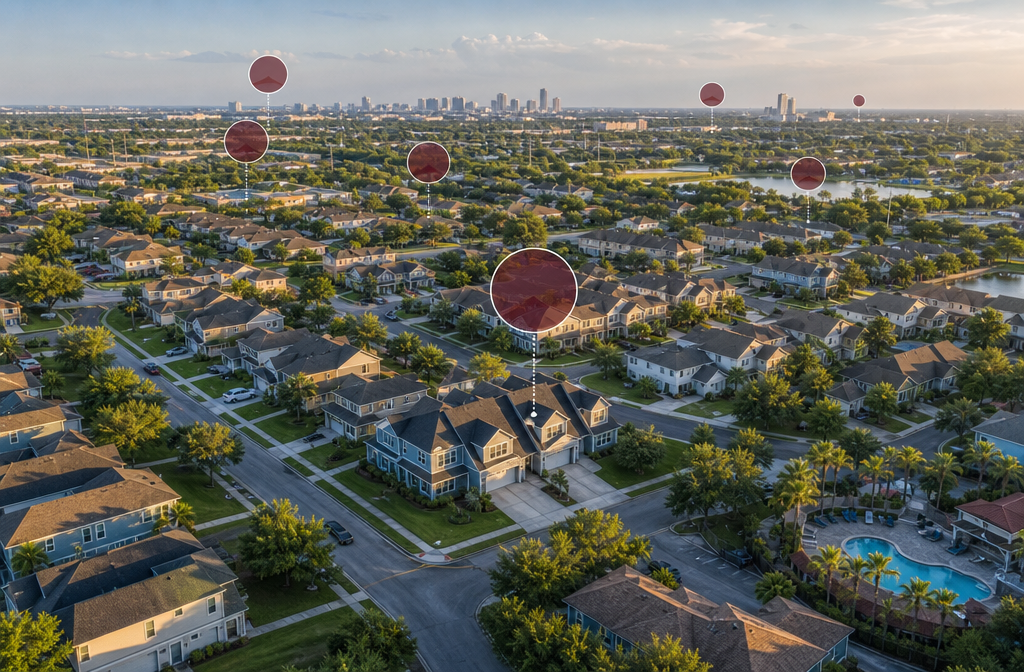
Best States to Invest in Real Estate: The Data-Backed Ranking
The best states to invest in real estate share five core traits: population growth, landlord-friendly laws, affordable entry prices relative to rent, low or moderate property taxes, and a diversified local economy. No single state dominates every category, which is why your investment strategy has to drive the state selection — not the other way around.
Here’s how the top states stack up in 2026:
| State | Avg. Cap Rate | Effective Property Tax | Landlord-Friendly? | Best For |
|---|---|---|---|---|
| Texas | 5.5–7% | ~1.6–1.8% | Yes | Appreciation + rent growth |
| Florida | 5–7% | ~0.8–1.1% | Yes | Short-term + long-term rentals |
| Tennessee | 6–8% | ~0.6–0.7% | Yes | Cash flow + appreciation |
| Indiana | 7–10% | ~0.8–1.0% | Yes | Cash flow |
| Ohio | 7–9% | ~1.4–1.6% | Moderate | Cash flow |
| North Carolina | 5.5–7.5% | ~0.7–0.9% | Yes | Appreciation + growth |
| Georgia | 5–7% | ~0.8–1.0% | Yes | Balanced |
So based: The investors quietly stacking properties in Indiana and Tennessee while everyone else fights over Miami condos are playing a completely different game — and winning.
Texas Real Estate Investing
Texas remains one of the top investor markets in the country for 2026. The state has no income tax, a business-friendly regulatory environment, and cities like Dallas-Fort Worth, San Antonio, and Houston continue to absorb massive population inflows. DFW alone added over 170,000 new residents in 2023 (U.S. Census Bureau data), and that demand hasn’t cooled.
The catch? Property taxes in Texas are among the highest in the nation — expect an effective rate between 1.6% and 1.8%, which directly reduces your net operating income. Texas real estate investing works best for investors focused on long-term appreciation and rent growth rather than immediate cash flow.
Florida Real Estate Investing
Florida real estate investing benefits from zero state income tax, a massive tourism economy, and year-round population growth driven by retirees and remote workers. Markets like Tampa, Jacksonville, and Orlando offer strong rental demand and relatively landlord-friendly courts compared to the Northeast.
Short-term rental (Airbnb/VRBO) investors have found Florida particularly attractive, though local municipalities are increasingly regulating short-term rentals — always check city-level ordinances before buying. Check out our breakdown of 2026 real estate trends and how stable rates are reshaping buyer and seller strategies to understand how the current rate environment affects Florida entry prices.
Tennessee Real Estate Investing
Tennessee is the state that keeps getting gatekept by experienced investors who don’t want more competition — and honestly, that’s fair. Nashville, Memphis, Chattanooga, and Knoxville all offer different investor profiles. Nashville leans appreciation-heavy with strong short-term rental demand. Memphis is a cash flow market with some of the highest gross yields in the Southeast. Tennessee has no state income tax on wages, low property taxes (effective rate around 0.6–0.7%), and landlord-tenant laws that strongly favor property owners.
Indiana Real Estate Investing
Indiana is the most underrated cash flow state in the country right now. Indianapolis, Fort Wayne, and South Bend all offer median home prices well below the national average with rents that produce cap rates between 7% and 10% in many neighborhoods. Indiana real estate investing is ideal for investors who want to let it cook before you see results — the appreciation is slower than Sun Belt markets, but the monthly cash flow is extraordinary from day one.
Ohio Real Estate Investing
Ohio real estate investing follows a similar playbook to Indiana. Columbus is the standout city — it’s a Big Ten college town with a diversified economy, growing tech sector, and consistent rental demand. Cleveland and Cincinnati offer even higher cap rates for investors willing to do more due diligence on neighborhood selection. Ohio’s property taxes are moderate to high depending on the county, so run your numbers carefully.
North Carolina Real Estate Investing
North Carolina is one of the best places to invest in real estate for investors who want Sun Belt-style appreciation without Florida-level entry prices. The Research Triangle (Raleigh-Durham-Chapel Hill) has become a tech and biotech hub, attracting high-income renters who push rents up while keeping vacancy rates low. Charlotte is another top investor market with strong job growth and population inflows from the Northeast.
What Makes a State Good for Real Estate Investing?
A state is good for real estate investing when the math works AND the legal environment protects your investment. Five factors determine this:
- Population and job growth — More people means more rental demand. States losing population (think Illinois, New York) create long-term vacancy risk.
- Landlord-tenant laws — Eviction timelines, rent control restrictions, and security deposit rules vary enormously. Landlord-friendly states like Texas, Tennessee, and Indiana let you move quickly when a tenant stops paying.
- Property tax rates — High property taxes (Texas, Illinois, New Jersey) compress your net operating income. Low property taxes (Tennessee, Florida, South Carolina) let more rent flow to your bottom line.
- Price-to-rent ratio — Lower ratios mean better cash flow potential. A home that costs $150,000 and rents for $1,400/month is a better cash flow investment than a $400,000 home renting for $2,200/month.
- Economic diversification — Single-industry markets (oil towns, military towns) carry concentration risk. Markets with healthcare, education, tech, and logistics create more stable rental demand.
Decision rule: Choose a state for cash flow if your price-to-rent ratio is below 15. Choose a state for appreciation if population growth exceeds 1.5% annually and the job market is diversifying.
Which States Have the Highest Rental Yields Right Now?

Indiana, Ohio, and Michigan consistently produce the highest gross rental yields for single-family homes in 2026, with cap rates ranging from 7% to 10% in many markets. These states offer affordable purchase prices relative to market rents, which is the core driver of yield.
Here’s a realistic snapshot of cap rate by state for residential rentals (estimates based on market data patterns as of 2026):
- Indiana: 7–10% cap rate (Indianapolis, Fort Wayne)
- Ohio: 7–9% cap rate (Columbus, Cleveland, Cincinnati)
- Michigan: 7–9% cap rate (Grand Rapids, Lansing)
- Tennessee: 6–8% cap rate (Memphis, Knoxville)
- Texas: 5.5–7% cap rate (San Antonio, Houston)
- Florida: 5–7% cap rate (Jacksonville, Tampa)
- California: 3–4% cap rate (most major markets)
Common mistake: New investors chase the highest gross yield without accounting for property taxes, insurance, vacancy, and maintenance. A 9% cap rate in Cleveland can become a 5% net yield after expenses — still solid, but know your real numbers before you buy.
For a deeper breakdown of how to analyze these numbers, our guide on how to invest in real estate as a beginner walks through the full underwriting process.
How Much Money Do You Need to Start Investing in Real Estate?
You can start investing in real estate with as little as $500 through REITs or crowdfunding platforms, but to buy a physical rental property, plan for $10,000–$25,000 minimum in most affordable markets. Here’s how the entry points break down:
| Strategy | Minimum Capital Needed | Best For |
|---|---|---|
| REITs (publicly traded) | $1–$500 | Passive investors, beginners |
| Real estate crowdfunding | $500–$5,000 | Passive investors wanting property exposure |
| DSCR loan (20–25% down) | $25,000–$50,000 | Active investors buying rentals |
| House hacking (FHA, 3.5% down) | $10,000–$15,000 | Owner-occupant investors |
| Conventional investment loan (20–25% down) | $30,000–$80,000+ | Established investors |
For investors working with limited capital, our article on how to invest in real estate with $5,000 or less covers strategies that actually work — no fluff.
Edge case: In Indiana and Ohio, you can find turnkey rental properties under $120,000, which means a DSCR loan at 25% down requires only $30,000 out of pocket. That’s an extraordinary entry point compared to California, where a comparable down payment might be $150,000+.
Are There States With Really Low Property Taxes?
Yes — and this is one of the most overlooked factors in the best states to invest in real estate analysis. Hawaii, Alabama, Colorado, Tennessee, and South Carolina have the lowest effective property tax rates in the country.
Lowest effective property tax rates by state (approximate):
- Hawaii: ~0.28% (but home prices are extremely high)
- Alabama: ~0.40%
- Colorado: ~0.50%
- Tennessee: ~0.60–0.70%
- South Carolina: ~0.55–0.65%
Highest (avoid for cash flow):
- New Jersey: ~2.2–2.5%
- Illinois: ~2.0–2.3%
- Texas: ~1.6–1.8%
- Nebraska: ~1.6%
Tennessee stands out because it combines low property taxes WITH landlord-friendly laws AND no state income tax — a trifecta that makes it one of the best states for rental property cash flow.
What Are the Top 5 States for Real Estate Appreciation?
The top states for real estate appreciation in 2026 are Florida, Texas, North Carolina, Tennessee, and Georgia — all driven by sustained population inflows, job creation, and housing undersupply relative to demand.
Why these five:
- Florida — Continued migration from high-tax states, strong international buyer demand, and limited coastal land supply push prices up consistently.
- Texas — Corporate relocations (Tesla, Oracle, Charles Schwab all moved headquarters to Texas) drive high-income household formation and home price growth.
- North Carolina — The Research Triangle and Charlotte have seen some of the strongest appreciation in the Southeast over the past five years.
- Tennessee — Nashville’s transformation into a major music, healthcare, and tech hub has driven impeccable price growth, with smaller markets like Chattanooga following the trend.
- Georgia — Atlanta’s film industry, logistics hub status, and growing tech scene make it a consistent appreciation market.
Important constraint: Appreciation is not guaranteed. Markets that appreciated 30–40% between 2020 and 2023 may see slower growth or mild corrections in 2026 as affordability limits demand. The data center boom driving Sun Belt real estate is one emerging driver of appreciation in secondary markets worth watching.
Which States Are Best for Long-Term vs. Short-Term Rentals?
For long-term rentals, Indiana, Ohio, and Tennessee offer the best combination of stable demand, landlord-friendly laws, and strong cap rates. For short-term rentals (Airbnb/VRBO), Florida, Tennessee (Smoky Mountains, Nashville), and Colorado lead in revenue potential — but regulatory risk is higher.
Long-term rental best states:
- Indiana (Indianapolis)
- Ohio (Columbus, Cincinnati)
- Tennessee (Memphis, Knoxville)
- North Carolina (Charlotte, Greensboro)
- Georgia (Atlanta suburbs)
Short-term rental best states:
- Florida (Orlando, Gulf Coast)
- Tennessee (Nashville, Gatlinburg)
- Colorado (mountain resort towns)
- Arizona (Scottsdale, Sedona)
Critical distinction: Short-term rentals can generate 2–3x the monthly income of long-term rentals in the right market, but they require active management, carry higher vacancy risk during off-seasons, and face increasing municipal regulation. Always verify local STR ordinances before purchasing. Our guide on best real estate investing apps for beginners includes tools that help you analyze STR revenue potential by market.
How Do California and Texas Compare for Real Estate Investment?
Texas wins for cash flow and landlord protections; California wins for long-term appreciation in established markets but loses badly on cash flow, regulations, and entry costs. For most investors — especially those starting out — Texas is the clear choice.
| Factor | Texas | California |
|---|---|---|
| Avg. cap rate | 5.5–7% | 3–4% |
| State income tax | None | Up to 13.3% |
| Property tax | ~1.6–1.8% | ~0.7–0.8% |
| Landlord-friendly? | Yes | No |
| Eviction timeline | 3–6 weeks (avg.) | 3–6 months (avg.) |
| Median home price (2026 est.) | $290,000–$340,000 | $650,000–$800,000 |
| Rent control risk | Low | High |
California’s rent control laws (AB 1482 applies statewide to many properties) cap annual rent increases at 5% + CPI, which limits your upside in an inflationary environment. Texas has no statewide rent control and landlord-tenant laws that allow for faster eviction proceedings.
The verdict: California real estate investing makes sense for investors who already own property there and are building equity. For new capital deployment, Texas real estate investing produces better risk-adjusted returns in 2026.
What Mistakes Do New Real Estate Investors Usually Make?
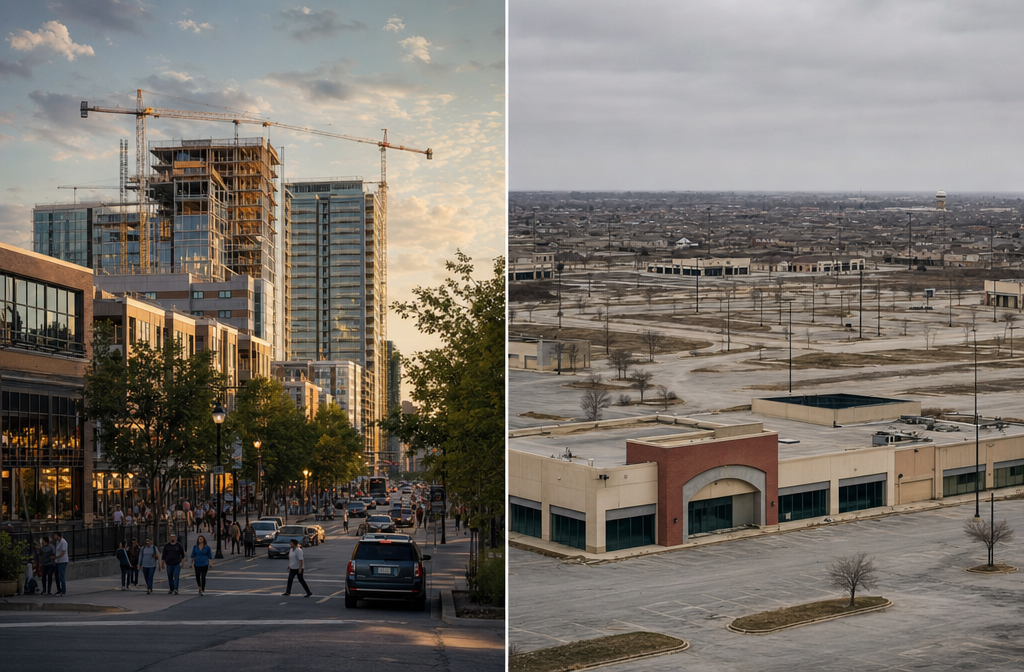
New real estate investors most commonly make five mistakes: buying in the wrong state for their strategy, underestimating expenses, overleveraging, ignoring landlord-tenant laws, and failing to analyze the local rental market before purchasing.
The five most expensive beginner mistakes:
- Buying based on appreciation hope instead of current cash flow math. If the deal doesn’t work today, don’t bet on tomorrow saving it.
- Ignoring vacancy and maintenance in projections. A realistic expense ratio for most single-family rentals is 40–50% of gross rent (the 50% rule). New investors often model 20–25% and get crushed.
- Choosing a landlord-unfriendly state without understanding the eviction process. In states like California, New York, and New Jersey, a non-paying tenant can cost you 6–12 months of lost rent plus legal fees.
- Overleveraging in the first deal. Buying with maximum leverage leaves no room for vacancies, repairs, or market softness.
- Skipping market-level rental analysis. Buying in a zip code with rising vacancy rates, declining population, or oversupply of new construction will destroy your returns regardless of the purchase price.
For a full breakdown of investment property types and how to choose the right one, see our guide to the 4 essential property types for investments.
Are There States Where Real Estate Is Totally Overvalued?
Yes — California, New York, Massachusetts, and parts of coastal Florida show the clearest signs of overvaluation in 2026, measured by price-to-income ratios, price-to-rent ratios, and affordability indexes. These markets carry the highest risk for new investors entering at current prices.
Overvaluation warning signs:
- Price-to-rent ratio above 25 (meaning it’s far cheaper to rent than buy)
- Median home price more than 6–7x median household income
- Cap rates below 4% for residential rentals
- Negative cash flow even with 25% down
Markets with the most overvaluation risk in 2026:
- San Francisco, CA
- Los Angeles, CA
- New York City, NY
- Boston, MA
- Miami Beach, FL (specific micro-markets)
This doesn’t mean these markets will crash — but it does mean the margin for error is extremely thin. A 10% price correction in a market where you’re already cash-flow negative can be devastating.
How Risky Is Real Estate Investing in the Current Market?
Real estate investing in 2026 carries moderate risk — higher than 2019 levels but lower than the peak speculation of 2021–2022. The primary risks are elevated interest rates compressing cash flow, affordability constraints limiting buyer pools, and potential oversupply in certain Sun Belt markets.
Current risk factors to watch:
- Interest rates: 30-year fixed rates hovering around 6–7% in 2026 make financing more expensive than the 2020–2021 era. This directly affects your cash-on-cash return.
- Insurance costs: Florida and Texas have seen dramatic homeowner’s insurance increases due to climate-related claims. Factor current insurance quotes into every deal, not historical averages.
- Oversupply risk: Markets like Austin, TX and Phoenix, AZ saw massive new construction in 2022–2024. Increased supply is putting downward pressure on rents in some submarkets.
- Economic slowdown: If unemployment rises, rental defaults increase. Diversified economies (Columbus, Nashville, Charlotte) are more insulated than single-industry markets.
Risk mitigation strategy: Buy in markets with strong job diversity, keep your loan-to-value below 75%, maintain 3–6 months of expenses in reserves, and use conservative vacancy assumptions (8–10%) in your underwriting.
For investors exploring financing options, our breakdown of DSCR loan requirements for investment properties is a fresh resource that explains exactly what lenders look for in 2026.
What States Are Worst for Real Estate Investment Right Now?
The worst states for real estate investment in 2026 are Illinois, New York, New Jersey, California, and Connecticut — ranked by a combination of high property taxes, landlord-unfriendly laws, population decline, and compressed cap rates.
Why these states underperform:
- Illinois: Chicago’s property tax burden is among the highest in the nation, the state has chronic fiscal problems, and population has been declining for years. Cap rates rarely justify the risk.
- New York: Rent stabilization laws, long eviction timelines (often 6–12 months), and extremely high entry prices make cash flow nearly impossible outside of niche strategies.
- New Jersey: The highest effective property tax rate in the country (~2.2–2.5%) destroys cash flow even when rents are strong.
- California: Statewide rent control, long eviction timelines, high entry prices, and high state income tax on rental profits make this the hardest state to generate positive returns as a new investor.
Edge case: Experienced investors with large portfolios and specific tax strategies can make California work — but it requires impeccable deal selection and usually involves 1031 exchanges, opportunity zones, or other advanced structures.
How Much Can You Actually Make From Rental Properties?
A single-family rental property in a top cash flow market can realistically generate $300–$800/month in net cash flow after all expenses, assuming a 20–25% down payment and current interest rates. Over time, appreciation, loan paydown, and rent growth compound those returns significantly.
Realistic return breakdown (Indiana example):
- Purchase price: $150,000
- Down payment (25%): $37,500
- Monthly rent: $1,400
- Monthly mortgage (6.5%, 30yr): ~$710
- Taxes + insurance + maintenance + vacancy (est.): ~$450
- Net monthly cash flow: ~$240
- Cash-on-cash return: ~7.7%
- Plus appreciation (est. 3–5%/year) and loan paydown (~$150/month in year one)
That’s not get-rich-quick money — but stacked across 5–10 properties over 10 years, the math becomes extraordinary. The real wealth in rental property comes from the combination of cash flow, appreciation, tax benefits (depreciation), and loan paydown working simultaneously.
Our resource on best DSCR loan lenders for investment properties can help you find financing that fits these types of deals.
What Income Do You Need to Qualify for Real Estate Investment Loans?
Your income requirements depend entirely on the loan type. For conventional investment loans, lenders typically want a debt-to-income (DTI) ratio below 43–45% and verifiable W-2 or self-employment income. For DSCR loans, your personal income is largely irrelevant — the property’s rent-to-mortgage ratio does the qualifying.
Loan type income requirements:
| Loan Type | Income Requirement | Key Qualifier |
|---|---|---|
| Conventional (investment) | Documented income, DTI < 43% | Personal income + credit score |
| DSCR Loan | No income verification required | Property DSCR ≥ 1.0–1.25 |
| FHA (house hack) | Documented income, DTI < 50% | Owner-occupant only |
| Hard money | Minimal income requirements | Deal equity + exit strategy |
| Portfolio loan | Varies by lender | Relationship-based |
DSCR explained simply: If a property generates $1,500/month in rent and the total mortgage payment (PITI) is $1,200/month, the DSCR is 1.25 — most lenders will approve this without looking at your tax returns. This is why DSCR loans have become the preferred tool for self-employed investors and those building portfolios quickly.

Frequently Asked Questions
Q: What is the single best state to invest in real estate in 2026?
A: For cash flow, Indiana is the top pick. For appreciation, Texas and North Carolina lead. For a balance of both, Tennessee is the most consistent performer in 2026.
Q: Are landlord-friendly states really that important?
A: Yes — critically so. In a landlord-unfriendly state, a single non-paying tenant can cost you 6–12 months of rent plus $3,000–$10,000 in legal fees. Tennessee, Texas, Indiana, and Florida all have significantly faster eviction processes than California or New York.
Q: What cap rate should I target for a rental property?
A: Target a minimum of 6% cap rate for residential rentals in 2026, given current interest rates. Below 5% makes it very difficult to achieve positive cash flow with standard financing.
Q: Is it better to invest in one state or diversify across multiple states?
A: Start in one state and master that market before expanding. Multi-state investing adds complexity in property management, tax filing, and legal compliance. Once you have 3–5 properties running smoothly, then diversify geographically.
Q: Can I invest in real estate in another state without living there?
A: Absolutely — and many of the best markets (Indiana, Ohio, Tennessee) attract out-of-state investors specifically because of strong cash flow and professional property management infrastructure. A good local property manager is the key to successful remote investing.
Q: What’s the difference between cap rate and cash-on-cash return?
A: Cap rate measures a property’s income relative to its purchase price, ignoring financing. Cash-on-cash return measures your actual cash return relative to your cash invested (down payment + closing costs). Both matter — cap rate for comparing properties, cash-on-cash for evaluating your actual investment performance.
Q: Are short-term rentals still worth it in 2026?
A: In the right markets (Nashville, Florida Gulf Coast, Colorado mountain towns), yes. But the era of easy Airbnb money is over — markets are more competitive, regulations are tighter, and operating costs are higher. Run conservative revenue projections using actual comparable data, not platform estimates.
Q: How do I find the best cities to invest in real estate within a state?
A: Look for cities with population growth above 1% annually, unemployment below the national average, rent-to-price ratios above 0.7% (monthly rent / purchase price), and a growing job base in multiple industries. Secondary cities within strong states often outperform the flagship metros on cash flow.
Q: What is a DSCR loan and who is it best for?
A: A Debt Service Coverage Ratio (DSCR) loan qualifies based on the rental property’s income rather than the borrower’s personal income. It’s best for self-employed investors, those with complex tax returns showing low taxable income, and investors building large portfolios who want to avoid DTI limits.
Q: Is Ohio a good state for real estate investing in 2026?
A: Yes — Columbus in particular is one of the most consistent investor markets in the Midwest. Strong university and healthcare employment base, affordable entry prices, and cap rates of 7–9% in many neighborhoods make Ohio real estate investing a solid choice for cash flow-focused investors.
Conclusion: Pick Your Strategy First, Then Pick Your State
The best states to invest in real estate aren’t the ones with the flashiest headlines — they’re the ones that match your specific investment goals. Cash flow investors should be looking hard at Indiana, Ohio, and Tennessee right now. Appreciation investors should be focused on Texas, North Carolina, and Florida. And investors who want both? Tennessee and North Carolina are doing extraordinary things for portfolios built with patience.
Here’s your action plan:
- Define your strategy — cash flow, appreciation, or short-term rental income.
- Run the numbers — use the 50% rule and cap rate formulas before falling in love with any property.
- Check landlord-tenant laws — know your state’s eviction timeline and rent control status before buying.
- Secure your financing — explore DSCR loans if your personal income is complex or limited.
- Start in one market — master one city before expanding to multiple states.
Real estate investment opportunity by state is genuinely extraordinary right now for investors who do the work. The data is there. The markets are there. The tools to analyze them have never been more accessible. Don’t let anyone gatekeep this information from you — the best real estate markets in 2026 are open for business.
For more data-backed investment intelligence, explore our investment hub and stay current with U.S. homeowner national real estate updates for 2026.
Tags: best states to invest in real estate, real estate investing, rental property, cap rate by state, landlord friendly states, Texas real estate investing, Tennessee real estate investing, cash flow real estate, best real estate markets 2026, Indiana real estate, property tax by state, short term rentals










Comments 1