


Last updated: May 24, 2026

Quick Answer: Tokenized real estate converts property ownership into digital tokens on a blockchain, letting investors buy fractional shares of real properties starting as low as $50. It’s gaining serious traction in 2026 because it removes two of the biggest barriers in traditional real estate investing — the need for large capital and the inability to quickly exit a position.
Key Takeaways
- Real estate tokenization splits property ownership into blockchain-based digital tokens, each representing a fractional share of a real asset
- Minimum investments on platforms like RealT and Lofty AI can start as low as $50, compared to tens of thousands for traditional real estate
- Tokenized real estate tokens can be traded on secondary markets, offering far more liquidity than physical property
- Security token offerings (STOs) are regulated financial instruments — the SEC actively oversees tokenized real estate in the U.S.
- Platforms like RealT, Lofty AI, and Propy are among the most established names in the space right now
- Tax treatment on tokenized real estate mirrors traditional investment income — capital gains and rental income rules apply
- Tokenized real estate is best suited for passive income seekers, beginning investors, and accredited investors looking for portfolio diversification
- The market is still early — regulatory clarity, platform reliability, and liquidity depth are all evolving
- Dubai and XRP-based tokenization projects are pushing global adoption fast
- Beginners should start small, vet platforms carefully, and let it cook before expecting significant returns
Tokenized Real Estate: Why Investors Are Finally Paying Attention
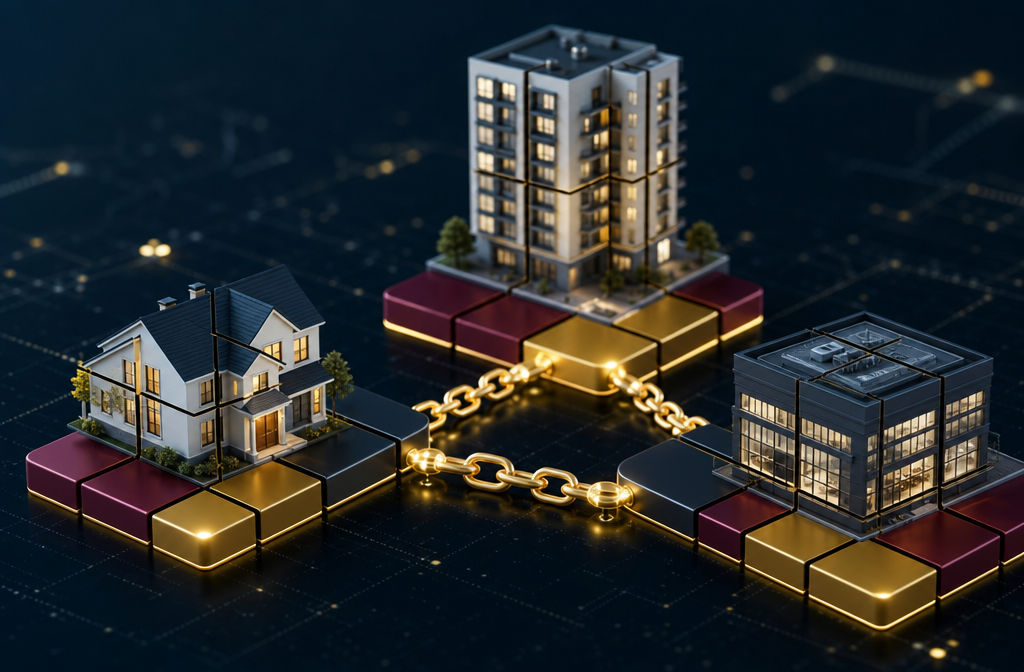
The global tokenized real estate market was valued at approximately $3.8 billion in 2024 and is projected to reach over $26 billion by 2034, according to industry analysts tracking blockchain-based asset markets. That kind of growth doesn’t happen by accident — and it’s exactly why tokenized real estate is showing up in conversations that used to be reserved for REITs and rental portfolios.
So what changed? A few things hit at once. Blockchain infrastructure matured. Regulatory frameworks got clearer. And a new generation of investors — many of whom couldn’t afford a $30,000 down payment but absolutely understood crypto wallets — started demanding access to real property returns without the traditional gatekeeping.
That word matters here: gatekeeping. For decades, meaningful real estate investing required either serious capital or serious connections. Tokenization is dismantling that model, and the investors paying attention right now are the ones who’ll be positioned when this market matures.
This isn’t a crypto moonshot play. Tokenized real estate is backed by physical property — apartments, commercial buildings, vacation rentals — with the ownership rights recorded on a blockchain. The concept is fresh, the execution is getting sharper, and the data is starting to back it up.
If you’re a rental property owner, a passive income seeker, or someone exploring how to invest in real estate with limited capital, this is the breakdown you need.
What Exactly Is Real Estate Tokenization and How Does It Work?
Real estate tokenization is the process of converting ownership rights in a property into digital tokens on a blockchain. Each token represents a fractional share of that property, and owning tokens means you own a proportional stake in the underlying asset — and its income.
Here’s the basic flow:
- A property is selected — a single-family rental, apartment complex, or commercial building
- A legal entity (usually an LLC) is created to hold the property
- Ownership of that LLC is divided into digital tokens (often thousands or millions of them)
- Tokens are issued on a blockchain — Ethereum, Algorand, and XRP Ledger are common choices
- Investors purchase tokens through a tokenization platform
- Rental income or appreciation is distributed to token holders proportionally
- Tokens can be traded on secondary markets, giving investors an exit option
The blockchain serves as the public ledger — every transaction, ownership transfer, and income distribution is recorded transparently and permanently. No middleman needed to verify who owns what.
This is how does tokenized real estate work in practice: you buy tokens, you receive income, and you can sell your tokens when you want liquidity. The property still exists in the physical world — it’s managed by a property manager, it generates rent, it appreciates or depreciates. The blockchain just handles the ownership layer.
So based: The mechanics are actually simpler than most people think. If you’ve ever bought a share of stock, you already understand the concept — except here, the asset is a building you can drive past.
How Much Money Do You Need to Start Investing in Tokenized Real Estate?
The minimum investment for tokenized real estate can be as low as $50 on platforms like RealT and Lofty AI. This is the single biggest difference between tokenized real estate and traditional real estate investing, where a down payment alone can run $20,000 to $100,000+.
Here’s a realistic look at tokenized real estate minimum investment thresholds across major platforms:
| Platform | Minimum Investment | Token Type | Accredited Investor Required? |
|---|---|---|---|
| RealT | ~$50 per token | ERC-20 (Ethereum) | No (non-U.S. investors) |
| Lofty AI | $50 | Algorand-based | No |
| Propy | Varies by listing | Ethereum NFT-based | Varies |
| Arrived Homes | $100 | SEC-qualified | No |
| RedSwan CRE | $1,000+ | Security tokens | Yes (accredited) |
For beginning investors, platforms like Lofty AI and Arrived Homes are the most accessible entry points. For accredited investors looking at commercial real estate STOs (security token offerings), platforms like RedSwan open up larger institutional-grade assets.
Choose the lower-minimum platforms if: You’re testing the concept, building comfort with blockchain investing, or working with limited capital.
Choose higher-minimum STO platforms if: You’re an accredited investor seeking larger commercial assets with more regulatory structure and potentially higher returns.
For more context on getting started with limited funds, check out our guide on investing in real estate with $5,000 or less.
Tokenized Real Estate vs Traditional Real Estate Investing: Which Is Better?
Neither is universally better — they serve different investor profiles and goals. Tokenized real estate wins on accessibility and liquidity; traditional real estate wins on control, leverage, and established legal frameworks.
Here’s the honest comparison:
| Factor | Tokenized Real Estate | Traditional Real Estate |
|---|---|---|
| Minimum capital | $50–$1,000 | $10,000–$100,000+ |
| Liquidity | High (secondary market trading) | Low (months to sell) |
| Control | None (passive) | Full (active management) |
| Leverage | Not available | Mortgage financing available |
| Diversification | Easy across many properties | Difficult without large capital |
| Regulatory clarity | Still evolving | Well-established |
| Income type | Rental yield + appreciation | Rental yield + appreciation |
| Tax complexity | Moderate | Moderate to high |
Tokenized real estate vs REITs is another comparison worth making. REITs trade on stock exchanges and offer liquidity, but you’re buying shares of a company that owns properties — not fractional ownership of a specific property. Tokenized real estate gives you direct exposure to a specific asset, which some investors prefer for transparency.
Choose tokenized real estate if: You want passive income, low minimums, and portfolio diversification without property management headaches.
Choose traditional real estate if: You want to use mortgage leverage, have full control over your asset, and are comfortable with illiquidity.
The 4 types of real estate investments guide breaks down the broader investment landscape if you’re still figuring out where tokenized fits in your strategy.
What Are the Risks of Investing in Blockchain Real Estate Tokens?
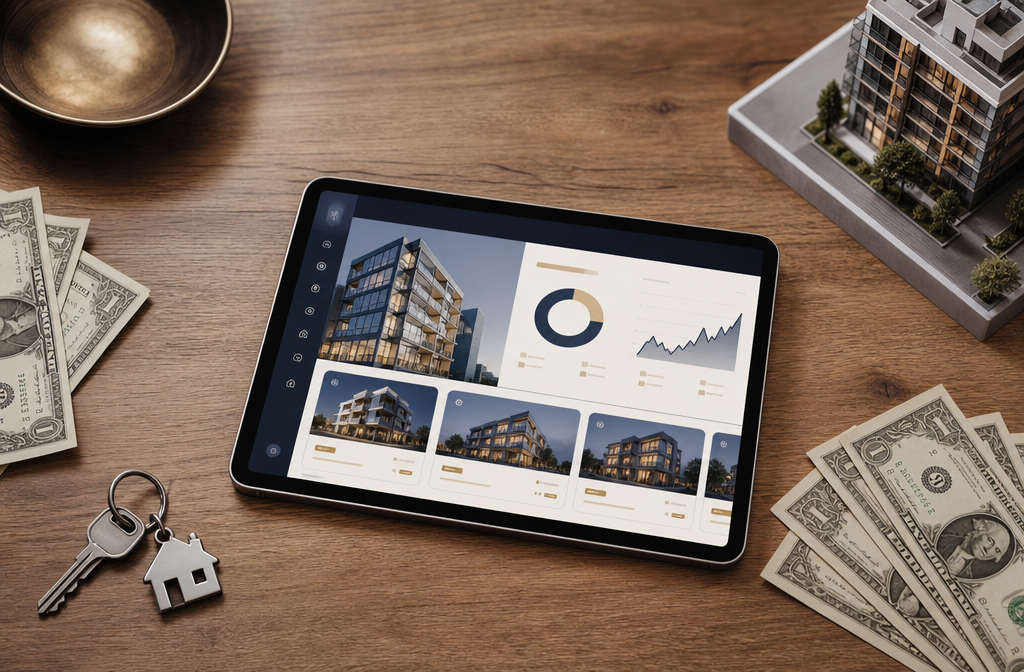
Tokenized real estate carries real risks — platform failure, regulatory shifts, liquidity gaps, and smart contract vulnerabilities are all live concerns. This is not a set-it-and-forget-it investment class, especially in 2026 when the market is still maturing.
The main risks to know:
- Platform risk: If the company running the tokenization platform shuts down, your tokens could become difficult to manage or trade. Always check how the underlying legal entity (LLC) is structured separately from the platform.
- Regulatory risk: Real estate tokenization regulations are still evolving. The SEC has increased scrutiny of real estate STOs, and rule changes could affect how tokens are issued, traded, or taxed.
- Liquidity risk: Secondary markets for real estate tokens are thinner than stock markets. You may not find a buyer quickly if you need to exit fast.
- Smart contract risk: Bugs in the code governing token issuance and distribution can create vulnerabilities. Established platforms conduct audits, but risk isn’t zero.
- Property-level risk: The underlying property can still underperform — vacancy, deferred maintenance, bad property management. Tokenization doesn’t eliminate real estate fundamentals.
- Valuation opacity: Unlike publicly traded REITs, token prices on secondary markets may not reflect true property value accurately.
Common mistake: Treating tokenized real estate like a crypto trade. The volatility profile is different — these tokens are tied to physical assets, not speculation. Expecting overnight returns is the fastest way to get burned.
For a broader look at real estate investment risks, our real estate investment risks resource is worth bookmarking.
Can You Buy Fractional Property Ownership Through Tokenization?
Yes — fractional real estate tokens are the core product of tokenized real estate. When you buy tokens in a property, you own a proportional share of that property’s legal entity, which entitles you to a share of its rental income and any appreciation when it’s sold.
This is what makes the concept extraordinary for investors who’ve been locked out of real estate. Instead of needing to buy an entire property, you can own 0.01% of a rental home in Detroit, 0.5% of a commercial building in Miami, and 1% of a vacation rental in Scottsdale — all from your phone, all for a few hundred dollars.
How fractional ownership works in practice:
- You purchase tokens representing a fraction of a property’s LLC
- The LLC holds legal title to the property
- Rental income is distributed to token holders (usually weekly or monthly)
- If the property is sold, proceeds are distributed proportionally
- Your tokens can be sold on a secondary marketplace to other investors
Platforms like Lofty AI have made this genuinely accessible — their Algorand-based tokens allow daily rental income distributions, which is an impeccable feature for passive income seekers who want to see cash flow in real time rather than waiting for quarterly distributions.
Which Platforms Are the Most Reliable for Real Estate Tokens?
The most established real estate tokenization platforms in 2026 are RealT, Lofty AI, Propy, Arrived Homes, and RedSwan CRE. Each serves a slightly different investor profile, so “most reliable” depends on what you’re looking for.
Platform breakdown:
RealT
- Focuses on U.S. residential rental properties
- Tokens issued on Ethereum blockchain
- Weekly rental income distributions
- Primarily serves non-U.S. investors due to SEC restrictions for U.S. residents
- One of the longest-running platforms in the space
Lofty AI
- U.S.-based investors can participate
- Built on Algorand for lower transaction fees
- $50 minimum, daily income distributions
- Strong secondary marketplace for token trading
- SEC-qualified under Regulation A+
Propy
- Focuses on full property transactions recorded on blockchain
- Also offers NFT-based property ownership
- Used for international property transactions
- More of a transaction platform than a fractional ownership platform
Arrived Homes
- SEC-qualified, open to non-accredited investors
- $100 minimum
- Focuses on single-family rentals and vacation rentals
- Backed by notable venture capital (Jeff Bezos among investors)
RedSwan CRE
- Commercial real estate focus
- Higher minimums ($1,000+)
- Accredited investors only
- Security token offerings with full regulatory compliance
Vetting checklist before investing:
- Is the platform SEC-registered or operating under a valid exemption?
- Is the property LLC legally separate from the platform company?
- Are there audited financials for the underlying properties?
- Is there an active secondary market for token trading?
- How long has the platform been operating?
Also worth exploring: our 7 real estate crowdfunding platforms compared guide covers overlapping options for passive real estate investing.
What Kind of Investor Is Real Estate Tokenization Best Suited For?
Tokenized real estate is best suited for passive income seekers, beginning investors with limited capital, and accredited investors looking to diversify beyond traditional assets. It’s not ideal for investors who want control over their assets or need to use mortgage leverage to scale.
It’s a strong fit if you:
- Want real estate exposure without managing properties
- Have $50 to $5,000 to start and want to learn the asset class
- Are building a diversified passive income portfolio
- Already invest in stocks or crypto and want a real-asset component
- Are an accredited investor seeking alternative assets with yield
It’s probably not the right move if you:
- Want to use leverage (mortgages) to amplify returns
- Need to control property decisions (renovations, tenant selection)
- Are expecting short-term liquidity similar to stock trading
- Are uncomfortable with evolving regulatory environments
- Need a fully established legal framework for your investment thesis
The investor profile that gets the most out of tokenized real estate is someone who treats it like a dividend-paying stock — buy it, collect income, and let it cook before you see results. Patience is the actual edge here.
For beginning investors still building their foundation, our beginner’s blueprint for real estate investing is a solid starting point before jumping into tokenization.
How Liquid Are Real Estate Tokens Compared to Physical Property?
Real estate tokens are significantly more liquid than physical property, but less liquid than stocks or ETFs. You can sell tokens on secondary marketplaces in hours or days rather than the weeks or months it takes to sell a physical property — but thin trading volume on some platforms means you may not always find a buyer at your target price.
Liquidity comparison:
| Asset | Typical Exit Timeline | Buyer Pool |
|---|---|---|
| Physical rental property | 30–90+ days | Local/regional buyers |
| Traditional REIT (public) | Seconds to minutes | Stock market |
| Tokenized real estate | Hours to days | Platform secondary market |
| Real estate crowdfunding | Months to years | Redemption windows only |
The liquidity advantage of tokenized real estate over traditional property is real — but don’t confuse it with stock-market liquidity. Secondary markets on platforms like Lofty AI have grown, but they’re still relatively small. If you’re holding a large position in a single property’s tokens, finding buyers for all of it quickly may take time.
Edge case: In a market downturn, secondary market liquidity for real estate tokens could dry up faster than expected, similar to what happens with thinly traded stocks. Size your positions accordingly.
Are Tokenized Real Estate Investments Safe for Beginners?

Tokenized real estate can be appropriate for beginners, but it requires more due diligence than traditional investments. The low minimums make it accessible, but the combination of blockchain technology, evolving regulations, and platform-specific risks means beginners should start small and educate themselves before scaling up.
For beginners, the safest approach:
- Start with $50–$200 on a well-established, SEC-compliant platform (Lofty AI or Arrived Homes are good starting points)
- Choose properties with documented rental history and occupancy rates
- Understand how the platform’s legal structure protects your ownership if the company closes
- Don’t allocate more than 5–10% of your investment portfolio to tokenized real estate until you’re comfortable
- Track your income distributions for at least 3–6 months before adding more capital
Is tokenized real estate legit? Yes — the established platforms operate under SEC exemptions (Regulation A+, Regulation D, or Regulation CF) and have legal structures that separate property ownership from platform operations. But “legit” doesn’t mean “risk-free.” The underlying properties are real, the income is real, and the risks are real.
Our best real estate investing apps for beginners guide covers several platforms that overlap with tokenized options and can help beginners compare their choices side by side.
What Common Mistakes Do New Investors Make With Real Estate Tokens?
The most common mistake is treating tokenized real estate like a crypto investment — chasing token price appreciation instead of focusing on rental yield. These are income-generating assets first; price appreciation is secondary and often slower to materialize.
Mistakes to avoid:
- Ignoring platform legal structure: If the platform company fails and your ownership isn’t legally separated from it, you could lose access to your investment. Always read the offering documents.
- Over-concentrating in one property: Diversification is one of tokenization’s biggest advantages — don’t replicate the single-property risk of traditional real estate.
- Expecting immediate returns: Rental income distributions are real, but tokenized real estate returns build over time. Let it cook before you see results — this isn’t a 30-day flip.
- Skipping tax research: Income from real estate tokens is taxable. Treating it like crypto gains can lead to misreported taxes and penalties.
- Buying on hype: The XRP Dubai real estate tokenization projects and similar international plays generate a lot of buzz. Some are legitimate; others are early-stage with significant execution risk. Vet everything.
- Ignoring property fundamentals: The blockchain layer doesn’t change whether the property is in a strong rental market. Check vacancy rates, local demand, and property condition before buying tokens.
How Do Taxes Work When You Sell Tokenized Real Estate?
Tokenized real estate is generally taxed like traditional real estate investment income in the U.S. Rental income distributions are taxed as ordinary income, and profits from selling tokens are subject to capital gains tax — short-term if held under a year, long-term if held longer.
Key tax considerations:
- Rental income distributions: Reported as ordinary income on your tax return, similar to rental income from a physical property
- Token sale profits: Subject to capital gains tax — short-term (held < 1 year) taxed at ordinary income rates; long-term (held > 1 year) taxed at preferential rates (0%, 15%, or 20% depending on income)
- 1099 forms: Most SEC-compliant platforms issue 1099 forms for income distributions
- Depreciation: Unlike owning physical property directly, token holders typically cannot claim depreciation deductions — the LLC holding the property takes those deductions
- State taxes: Vary by state; some states tax investment income differently
Important: The IRS has not issued comprehensive specific guidance on all aspects of real estate token taxation as of 2026. Work with a CPA familiar with both real estate and digital assets to ensure accurate reporting.
For a deeper look at real estate investment taxes, the real estate tax considerations section of our site covers the fundamentals.
What Types of Properties Can Be Tokenized Right Now?
A wide range of property types are being tokenized in 2026, including single-family rentals, multi-family apartments, commercial office buildings, retail centers, vacation rentals, and even land. The most common on consumer-facing platforms are single-family and small multi-family residential rentals.
Property types currently available for tokenization:
- Single-family rentals (RealT, Lofty AI, Arrived Homes) — most accessible, lowest minimums
- Vacation/short-term rentals (Arrived Homes) — higher income potential, more volatility
- Multi-family apartments — available on several platforms, often higher minimums
- Commercial real estate (RedSwan CRE) — office, retail, industrial; accredited investors typically required
- Land and development projects — less common, higher risk, early-stage platforms
- Luxury and international properties — growing category, especially in Dubai and Europe
The XRP Dubai real estate tokenization initiative is one of the most talked-about international projects right now. The Dubai Land Department partnered with blockchain infrastructure to tokenize property titles, making Dubai one of the most progressive markets globally for blockchain real estate investing. This is the kind of move that signals where the future of tokenized real estate is heading.
How Does Blockchain Technology Protect Your Real Estate Investment?

Blockchain protects tokenized real estate investments through immutable ownership records, transparent transaction histories, and smart contract automation. Once your token ownership is recorded on a blockchain, it cannot be altered, deleted, or disputed without consensus from the network.
How the protection works:
- Immutable records: Every ownership transfer is permanently recorded on the blockchain. There’s no way to forge or alter your ownership history.
- Transparency: All transactions are publicly verifiable. Anyone can audit the token distribution, income payments, and ownership changes.
- Smart contracts: Automated code handles income distributions and token transfers without requiring a human intermediary — reducing the risk of errors or fraud in payment processing.
- Decentralization: On decentralized blockchains, no single entity controls the ledger. Even if the platform company fails, the ownership records persist on the blockchain.
- Cryptographic security: Your tokens are held in a digital wallet secured by private keys. Without your keys, no one can transfer your tokens.
What blockchain does NOT protect against:
- Poor property management or vacancy
- Platform company insolvency (if legal structure is poorly designed)
- Regulatory changes that affect token legality
- Smart contract bugs (code vulnerabilities)
The blockchain layer is impeccable for record-keeping and transparency — but it’s one layer of protection, not a complete safety net. The legal structure of the property-holding LLC and the regulatory compliance of the platform matter just as much.
FAQ: Tokenized Real Estate Questions Answered
Q: Is tokenized real estate the same as cryptocurrency?
No. Tokenized real estate tokens are backed by physical property assets. Their value is tied to the underlying property’s performance, not speculative market sentiment like most cryptocurrencies.
Q: Can non-accredited investors buy tokenized real estate?
Yes, on platforms like Lofty AI and Arrived Homes that operate under SEC Regulation A+ or Regulation CF exemptions. Some platforms (especially for commercial real estate STOs) require accredited investor status.
Q: What is a real estate STO (security token offering)?
A security token offering is a regulated fundraising method where property ownership is sold as digital securities on a blockchain. STOs must comply with SEC regulations and are considered more legally robust than unregulated token sales.
Q: How are tokenized real estate returns generated?
Returns come from two sources: rental income distributions (paid proportionally to token holders) and potential appreciation in token value if the underlying property increases in value.
Q: What is Propy and how is it different from RealT?
Propy focuses on recording full property transactions on the blockchain and offers NFT-based ownership for whole properties. RealT focuses on fractional ownership of rental properties through ERC-20 tokens. They serve different use cases.
Q: Can I lose all my money in tokenized real estate?
It’s possible but unlikely if you use established, SEC-compliant platforms. The underlying property has real value. The bigger risks are platform failure, illiquidity, and underperforming properties — not total loss.
Q: What is the SEC’s position on tokenized real estate?
The SEC treats most real estate tokens as securities, meaning they must comply with securities laws. Platforms operating legally use exemptions like Regulation A+, Regulation D, or Regulation CF to issue tokens to investors.
Q: How does XRP relate to real estate tokenization?
XRP Ledger (XRPL) is being used as the blockchain infrastructure for several real estate tokenization projects, most notably in Dubai. Its fast transaction speeds and low fees make it attractive for high-volume property token transactions.
Q: Are tokenized real estate platforms regulated?
The established ones are. Look for platforms that disclose their SEC registration or exemption status. Unregulated platforms operating outside legal frameworks carry significantly higher risk.
Q: How long should I hold tokenized real estate tokens?
Think in years, not months. The income compounds over time, and short-term token price volatility can be misleading. Most platforms recommend a 3–5 year minimum horizon for meaningful returns.
Q: What’s the difference between tokenized real estate and real estate crowdfunding?
Real estate crowdfunding pools investor money into a fund managed by a company. Tokenized real estate gives you direct fractional ownership of a specific property recorded on a blockchain, with more transparency and (usually) more liquidity.
Q: How do I track tokenized real estate news and market developments?
Follow platform announcements, SEC filings, and industry publications. Staying current on real estate tokenization regulations is especially important as the regulatory environment continues to evolve in 2026.
Conclusion: Should You Be Paying Attention to Tokenized Real Estate?
The short answer: yes — and the window to learn before this market gets crowded is still open, but it’s narrowing.
Tokenized real estate isn’t a gimmick. It’s a legitimate, blockchain-backed method of fractional property ownership that’s already generating real rental income for real investors on platforms like RealT, Lofty AI, and Arrived Homes. The barriers that kept everyday investors out of real estate for decades — capital requirements, illiquidity, geographic limitations — are being systematically dismantled.
That said, this is still an early market. Regulations are evolving, platforms vary widely in quality, and secondary market liquidity isn’t where it needs to be yet. The investors who win here will be the ones who do the work upfront: vetting platforms, understanding the legal structures, diversifying across properties, and treating this like the income investment it is — not a crypto trade.
Your next steps:
- Start with education — understand how blockchain real estate investing works before putting money in
- Pick one SEC-compliant platform — Lofty AI or Arrived Homes are solid starting points for non-accredited investors
- Start with $50–$200 — get comfortable with the mechanics before scaling
- Track your income distributions for 3–6 months
- Stay current on tokenized real estate news and regulatory changes — this space moves fast
- Diversify — use tokenized real estate as one component of a broader investment strategy
The investors paying attention to tokenized real estate today are the ones who’ll have an extraordinary head start when this market hits its stride. Don’t let the gatekeeping of “this is too complicated” stop you — it’s not. It’s fresh, it’s so based on where real estate is heading, and the fundamentals are real.
For more on building a diversified real estate investment strategy, explore our complete beginner’s blueprint for real estate investing and stay current with 2026 real estate market trends shaping where capital is flowing next.
Have questions about tokenized real estate or want to see us cover a specific platform or regulation update? Reach out at news@realestaterankiq.com or follow us on YouTube at @RealEstateRankiQ.
Tags: tokenized real estate, blockchain real estate investing, fractional real estate tokens, real estate tokenization platforms, real estate STO, tokenized real estate vs REITs, RealT, Lofty AI, Propy, passive income real estate, SEC tokenized real estate, fractional property ownership