



nn


Picture this: You’ve spent weeks getting your home camera-ready—fresh paint, decluttered closets, the whole nine yards. Then you slap on a price tag that feels right in your gut, list it, and… crickets. Meanwhile, your neighbor’s slightly smaller house goes under contract in eight days. What gives?
Welcome to the most critical decision in your entire selling journey. Home sellers pricing strategies in 2026 aren’t just about picking a number that sounds good—they’re about understanding market psychology, competitive positioning, and timing in an environment where 36% of homebuilders are cutting prices by 6% and nearly 11% of active listings have already endured three or more price reductions. This isn’t your parents’ housing market, and the old “price high and negotiate down” playbook? Yeah, that’s so 2019.
The stakes are extraordinary. According to National Association of Home Builders Chief Economist Robert Dietz, existing home prices are expected to fall in many cities throughout 2026 as new construction aggressively slashes prices to compete. Home price-to-income ratios have hit 4.9, and sellers who don’t adjust their pricing for affordability are getting left behind while buyers scroll past their listings like yesterday’s social media feed.
Key Takeaways
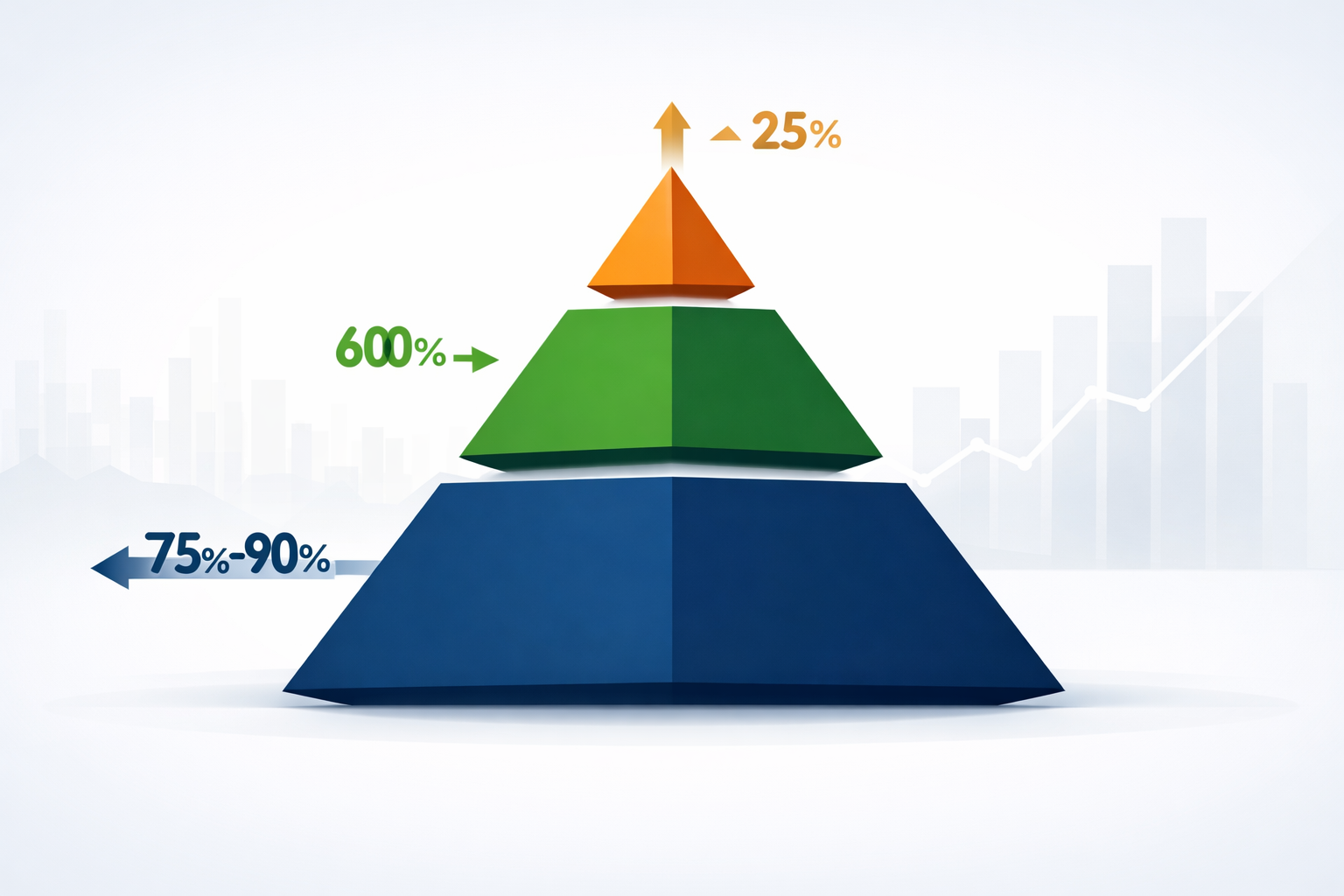
- Strategic pricing beats wishful thinking: Homes priced at or slightly below market value access 75-90% of the buyer pool, while overpricing shrinks your audience to just 25% and invites lowball offers 5-10% below asking
- The 2026 market demands price discovery: With 65% of builders offering incentives and inventory reaching four months’ supply, sellers must price competitively from day one or risk chasing the market downward
- Timing is everything: Properties that linger beyond 10-14 days without offers signal overpricing; pre-committing to strategic reductions prevents the “stale listing” stigma that kills negotiating power
- Recent comps are your pricing bible: Use 60-90 day comparable sales data, factor in builder incentives if new construction is nearby, and ignore outdated assessments or what you paid five years ago
- Different strategies serve different goals: Market value pricing offers stability, below-market pricing generates competitive bidding wars, and premium pricing only works in hot markets with genuinely unique features
Understanding Home Sellers Pricing Strategies in the 2026 Market
Let’s keep it real—the 2026 housing market is serving up a completely different vibe than the pandemic-era feeding frenzy. January 2026 data from Homes.com shows median sale prices hit $374,900, up from $370,000 year-over-year, but here’s the plot twist: inventory reached four months’ supply with a median 12 weeks on market. Translation? Buyer and seller power is finally balanced, which means your pricing strategy needs to be impeccable from the jump.
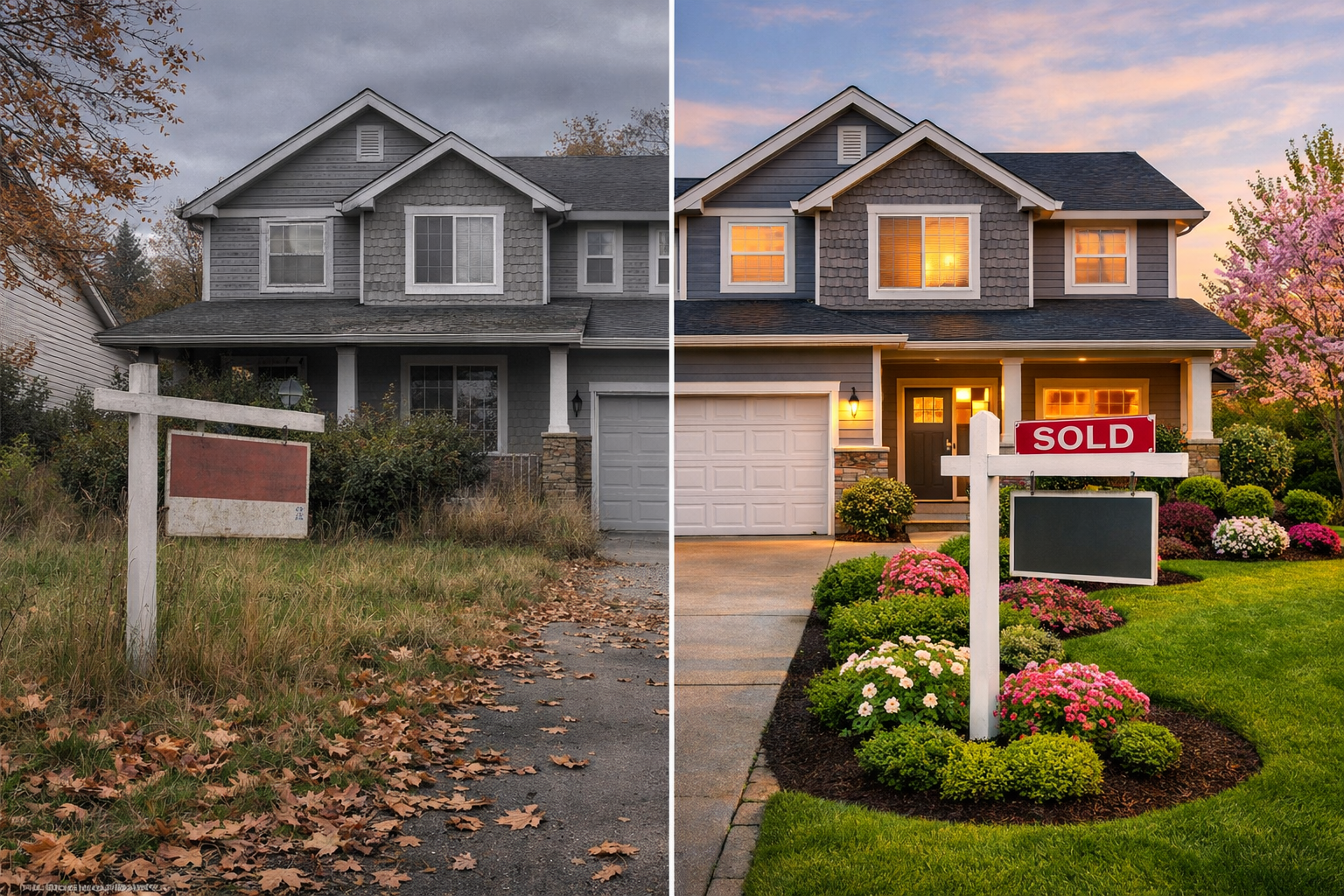
Chicago real estate agent David Dominguez puts it bluntly: properties that linger on the market invite offers 5-10% below asking price. Why? Because buyers are savvier than ever, and they can smell desperation through their smartphone screens. When a listing sits for weeks, it screams “overpriced” or “something’s wrong here,” and suddenly you’re fielding lowball offers that make you want to rage-quit the whole process.
The Three Core Pricing Philosophies
Think of pricing strategies as three distinct lanes on the highway to SOLD:
Market Value Pricing (The Safe Lane) 🎯
This approach prices your home right at recent comparable sales—what similar homes in your neighborhood actually sold for in the past 60-90 days. It captures about 60% of the active buyer pool, offers predictable results, and minimizes days on market. The downside? Limited negotiation room and you might leave money on the table in competitive situations.
Below-Market Pricing (The Fast Lane) 🚀
Pricing 10-15% under comparable sales sounds counterintuitive, but it’s actually so based for certain scenarios. This strategy expands your buyer pool to 75-90% of active shoppers, creates urgency, and can trigger bidding wars that push the final price back up to (or above) market value. It’s particularly effective for unique properties where comps are scarce or in neighborhoods with low inventory.
Premium Pricing (The Luxury Lane) 💎
Pricing 5-10% above market only works when your home has genuinely superior features—think recent high-end renovations, premium lot location, or in markets with extremely low inventory. The catch? You’re limiting yourself to just 25% of buyers, and if your home doesn’t sell quickly, you’ll face the dreaded price reduction cycle that signals weakness.
The pricing pyramid concept is fresh and worth understanding: imagine a triangle with the widest base at the bottom representing the most buyers. Below-market pricing sits at that wide base, capturing maximum eyeballs. Market value pricing sits in the middle, and premium pricing perches at the narrow top with the smallest audience. Where you position yourself determines how many buyers will even click on your listing.
For sellers wondering how to avoid common missteps, check out our guide on pricing mistakes that trigger price cuts and lowball offers.
Data-Driven Home Sellers Pricing Strategies That Work
Alright, let’s get tactical. The difference between a pricing strategy that works and one that leaves you stuck in listing purgatory comes down to data—real, fresh, relevant data. Not what Zillow says. Not what your tax assessment claims. Not what your neighbor’s cousin’s realtor mentioned at a barbecue last summer.
The 60-90 Day Comp Rule
Real estate agents Jamil Brothers, operating in the DMV area, recommend pricing based on what’s sold in the past 60-90 days, not older data that reflects a different market reality. In early 2026, this matters more than ever because market conditions are shifting monthly. A comp from six months ago might reflect a seller’s market that no longer exists.
Here’s your comp analysis checklist:
- Location radius: Focus on homes within a half-mile (urban) or one mile (suburban) of your property
- Size similarity: Square footage within 10-15% of your home
- Bed/bath configuration: Exact matches are ideal, but one bedroom variance is acceptable
- Condition comparison: Adjust for upgrades, renovations, or deferred maintenance
- Sale date: Prioritize the most recent 60 days, use 90 days only if inventory is thin
But wait—there’s a 2026 wildcard you can’t ignore: builder incentives. With 65% of homebuilders offering incentives like closing cost assistance and 36% cutting prices by an average of 6%, you’re competing against brand-new construction that’s basically running a clearance sale. If there’s new construction within two miles of your home, you need to factor those effective prices into your strategy or risk becoming the expensive alternative nobody wants.
The Strategic Reduction Timeline
Here’s where most sellers mess up: they list at a price, wait weeks for “the right buyer,” then panic and slash the price after their listing has already developed a reputation as stale inventory. Let it cook? Nah, not with pricing—you need to be proactive.
The Jamil Brothers recommend pre-committing to a reduction strategy: if you haven’t received offers within 10-14 days, execute a price reduction. Don’t wait for your agent to suggest it. Don’t hope things will change. The data is clear—properties that sit too long lose negotiating power and attract bottom-feeders.
Consider this reduction framework:
| Timeline | Action | Rationale |
|---|---|---|
| Days 1-10 | Monitor showing activity and feedback | High activity with no offers = price resistance |
| Days 11-14 | First strategic reduction (3-5%) | Triggers new search alerts, signals seller motivation |
| Days 15-30 | Evaluate market response | Sufficient time to gauge buyer interest at new price |
| Days 31-45 | Second reduction if needed (2-3%) | Prevents “stale listing” stigma |
| Days 46+ | Major strategy reassessment | Consider relisting, staging changes, or seasonal timing |
Early 2026 data from Realtor.com showed asking prices flat year-over-year in January, but price reductions actually declined because sellers started pricing more realistically upfront. That’s the move—get it right the first time instead of death by a thousand cuts.
Sellers preparing their homes for market should also review our complete home sale checklist to ensure pricing strategy aligns with property presentation.
Advanced Home Sellers Pricing Strategies for Different Market Conditions
Not all markets are created equal, and cookie-cutter pricing approaches are basically gatekeeping success from sellers who don’t understand nuance. The strategy that works in Austin (where 22% of active listings had three or more price cuts in early 2026) won’t fly in a tight inventory market where homes still move in days.
Hot Market Pricing: When Inventory Is Tight
In markets with less than two months of inventory and multiple offers on most listings, you have more pricing flexibility. This is where premium pricing can actually work—but only if your home genuinely deserves it. Think:
- Recent high-end kitchen or bathroom renovations (within 2 years)
- Premium lot features (corner lot, cul-de-sac, water views, oversized yard)
- Superior location within the neighborhood (quiet street, walkability, school proximity)
- Unique architectural features or design elements
Even in hot markets, “premium” means pricing at the high end of comps (top 10-15% of the range), not pulling a number from thin air. The goal is to capture the buyer willing to pay for the best, while still being defensible if an appraiser comes calling.
Balanced Market Pricing: The 2026 Reality
Most of the country is experiencing balanced market conditions in 2026, where that four-month inventory supply gives buyers and sellers roughly equal negotiating power. Brad Case, Chief Economist at Homes.com, noted that improving affordability from declining rates and rising incomes supports balanced negotiations with sustainable price appreciation.
In balanced markets, market value pricing is your friend. Here’s the formula:
- Identify 5-8 comparable sales from the past 60-90 days
- Adjust for differences: Add/subtract $5,000-$15,000 for each major feature difference (bedroom, bathroom, garage space, lot size, condition)
- Calculate the adjusted range: Your comps should cluster within a $20,000-$40,000 range after adjustments
- Position strategically: Price at the lower end of the range if you need speed, middle for balanced approach, higher end only if your home is superior condition
The key in balanced markets is avoiding the temptation to “test the market” with high pricing. Buyers have options, and they’re using them. Properties priced right move in 30-45 days; overpriced ones sit for months and eventually sell for less than they would have with correct initial pricing.
Buyer’s Market Pricing: When Competition Is Fierce
If your market is showing more than six months of inventory, rising days on market, and frequent price reductions, congratulations—you’re in a buyer’s market, and your pricing strategy needs to be aggressive. This is where below-market pricing becomes not just smart, but necessary.
Robert Dietz’s February 2026 warning about sellers needing to conduct “price discovery” like builders have since 2022 applies here. Builders are your competition, and they’re playing hardball with incentives and price cuts. You need to match their effective pricing or offer something they can’t—like immediate occupancy, no HOA restrictions, or established landscaping.
Below-market pricing in buyer’s markets means:
- Price 5-10% below recent comps to generate immediate showing activity
- Highlight value propositions in marketing: no builder delays, established neighborhood, move-in ready
- Be prepared for negotiations but from a position of strength (multiple interested buyers)
- Consider seller concessions as part of your pricing strategy—offering to cover closing costs or buy-down rates can be more attractive than straight price reductions
For insights on what buyers are actually asking for, read about the home seller credit buyers request most.
The Unique Property Challenge
Got a property that’s hard to comp—unusual architecture, massive lot, custom features, or in a transitional neighborhood? This is where pricing becomes part art, part science. Without clear comps, you’re vulnerable to both overpricing and underpricing.
The below-market strategy actually shines here because it generates traffic and feedback. Price it 10-15% below what you think it’s worth based on cost-per-square-foot in the broader area, then let buyer interest reveal the true market value. Multiple showings with no offers? Still too high. Multiple offers? You’ve found the sweet spot, and competition will likely push the price up.
Alternatively, consider the “price range” approach where you list with a range (e.g., “$425,000-$450,000”) to signal flexibility while anchoring expectations. Some markets and listing platforms support this, though it can also signal desperation if not handled carefully.
Psychological Pricing Tactics and Market Timing
Beyond the numbers, pricing is psychological warfare—and we mean that in the most strategic, non-creepy way possible. How you position your price influences buyer perception, search algorithm visibility, and negotiation dynamics.
The Power of Pricing Thresholds
Buyers search in round number increments: $300K-$350K, $350K-$400K, $400K-$450K. Pricing at $349,900 instead of $355,000 keeps you in a lower search bracket where you’ll appear as the top option instead of the bottom of the next bracket. This isn’t rocket science, but it’s extraordinary how many sellers ignore it.
Similarly, pricing just below major psychological thresholds captures attention:
- $299,900 vs. $305,000 (stays under $300K searches)
- $499,000 vs. $510,000 (stays under $500K searches)
- $749,900 vs. $760,000 (stays under $750K searches)
The savings might seem minimal, but the search visibility difference is massive. You’re competing for eyeballs before you compete for offers.
Seasonal Timing Considerations
While pricing strategy is critical year-round, the 2026 market shows distinct seasonal patterns worth considering:
Spring (March-May): Traditionally the hottest selling season with maximum buyer activity. Inventory increases but so does demand. Price competitively but not desperately—this is when market value pricing works best.
Summer (June-August): Family buyers dominate (school year considerations). Inventory peaks, so differentiation matters. Slightly below-market pricing can help you stand out in a crowded field.
Fall (September-November): Serious buyers who need to close before year-end. Lower inventory but also lower competition. Market value pricing with strategic concessions (like closing cost credits) works well.
Winter (December-February): Lowest inventory but also most motivated buyers (job relocations, life changes). Below-market pricing can trigger quick sales from buyers with urgency.
Early 2026 data shows sellers pricing more realistically as spring approaches, trying to avoid the price reduction cycle. If you’re listing in peak season, get the price right immediately—you won’t get a second chance at a first impression.
For agents helping sellers navigate these strategies, our guide on home selling strategies offers additional frameworks.
Common Pricing Mistakes That Kill Deals
Even with perfect data and strategy, sellers sabotage themselves with these avoidable errors. Let’s call them out:
Emotional Pricing
Your home is worth what a buyer will pay, not what you need to break even on your renovation, not what you paid plus inflation, not what you think it should be worth based on your emotional attachment to the kitchen where your kids learned to bake.
The market doesn’t care about your memories or your mortgage balance. Price based on data, not feelings. This is business.
Ignoring the Appraisal Reality
You can price your home at whatever number makes you happy, but if a buyer needs financing (and 85% of them do), that home will need to appraise. Pricing 10% above recent comps means you’re banking on either a cash buyer or an appraisal miracle. Neither is a solid strategy.
Even if you get an offer at your inflated price, an appraisal gap kills the deal or forces you to reduce anyway—except now you’ve wasted weeks and developed a stigma as an overpriced listing.
The “Room to Negotiate” Fallacy
Pricing high to “leave room for negotiation” is outdated thinking that costs sellers money. Here’s why: overpriced homes get fewer showings, which means fewer offers, which means less competition, which means weaker negotiating position.
You’re better off pricing at market value and getting five offers (creating competition that drives the price up) than pricing 10% high and getting one lowball offer from a buyer who knows you’re desperate after 60 days on market.
Comparing to Asking Prices Instead of Sold Prices
What your neighbor’s home is listed for is irrelevant. What matters is what homes actually sold for. Asking prices are aspirations; sold prices are reality. Base your pricing on closed transactions, not active competition.
Refusing Strategic Reductions
Pride is expensive in real estate. If your home isn’t generating offers within two weeks, the market is telling you something. Ignoring that feedback and stubbornly maintaining your price turns a small correction (5% reduction) into a major problem (10-15% reduction after months of sitting).
The first price reduction is the cheapest. Every subsequent one signals increasing desperation and invites lower offers.
For a deeper dive into avoiding these pitfalls, check out our article on valuing your home in any market.
Working With Your Agent on Pricing Strategy
Your real estate agent should be your pricing strategist, not just your cheerleader. Here’s how to get maximum value from that relationship:
The CMA Deep Dive
Request a comprehensive Comparative Market Analysis (CMA) that includes:
- Active listings (your current competition)
- Pending sales (what’s under contract, indicating current market acceptance)
- Sold properties (actual market value from past 60-90 days)
- Expired/withdrawn listings (cautionary tales of overpricing)
Don’t just accept a single suggested price—ask your agent to show you the pricing pyramid and explain how different price points would affect your buyer pool, days on market, and likely final sale price.
The Honest Conversation
Ask your agent directly: “If this were your home and you needed to sell within 60 days, what would you price it at?” That question cuts through the politeness and gets to strategy. Agents often suggest higher prices to win listings, then recommend reductions later. Get the real number upfront.
Also ask: “What price would generate multiple offers?” That’s your below-market number, and it’s worth knowing even if you don’t use it.
The Reduction Agreement
Before listing, establish clear triggers for price reductions:
- “If we don’t have X showings in the first week, we’ll reduce by Y%”
- “If we have Z showings but no offers by day 14, we’ll reduce by Y%”
- “If we receive feedback that price is the issue from X% of showings, we’ll adjust immediately”
Pre-committing to these triggers removes emotion from future decisions and keeps you agile.
Getting a Second Opinion
If your agent’s suggested price feels off (either too high or too low), get a second CMA from another agent. You’re not obligated to list with them, but another perspective on pricing can validate or challenge your primary agent’s analysis.
Just remember: if three agents all suggest similar pricing and you think they’re all wrong, they’re probably right and you’re probably emotionally attached to a number that doesn’t match market reality.
For sellers working through negotiations, our guide on negotiation power moves offers valuable insights from the other side of the table.
The 2026 Pricing Playbook: Your Action Plan
Ready to put this all together? Here’s your step-by-step implementation guide for home sellers pricing strategies in 2026:
Week 1: Data Gathering
- Collect 60-90 day sold comps within one mile
- Identify active competition and their pricing
- Research builder incentives and new construction pricing nearby
- Review your home’s condition honestly (or hire a pre-listing inspection)
Week 2: Strategy Development
- Determine your market type (hot, balanced, or buyer’s market)
- Calculate your adjusted comp range
- Decide on pricing philosophy (market, below-market, or premium)
- Factor in your timeline and motivation level
Week 3: Price Setting and Listing
- Set initial price using threshold psychology ($X99,900)
- Establish reduction triggers with your agent
- Launch listing with professional photos and compelling marketing
- Monitor showing activity and feedback daily
Weeks 4-6: Active Management
- Track showing-to-offer ratio (healthy is 8-12 showings per offer)
- Collect and analyze buyer feedback on price
- Execute first reduction if needed (days 10-14)
- Adjust marketing messaging if price isn’t the issue
Weeks 7+: Adaptation
- Reassess market conditions (have they shifted?)
- Consider seasonal timing for major strategy changes
- Evaluate whether relisting or major price adjustment is needed
- Stay agile and data-driven, not emotional
Special Considerations for 2026
Given the unique 2026 market dynamics, add these to your playbook:
Builder Competition Analysis: If new construction is within two miles, visit their sales centers, document their base prices and incentives, and price your home to compete on total cost basis, not just list price.
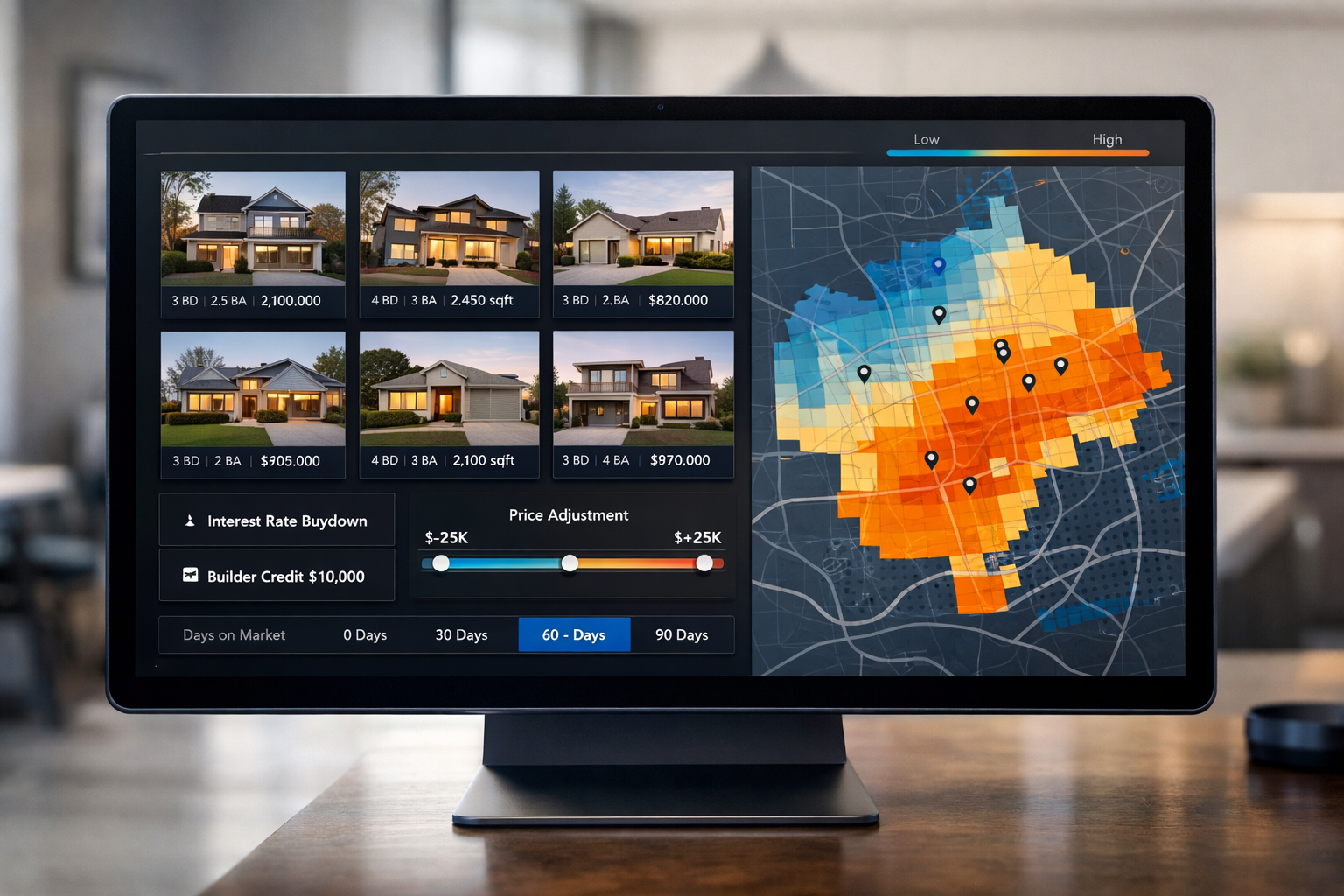
Affordability Positioning: With home price-to-income ratios at 4.9, buyers are stretched. Consider how your pricing affects monthly payments at current rates. A $10,000 price reduction might only save buyers $60/month, but offering a rate buy-down credit might save them $200/month and be more compelling.
Institutional Investor Awareness: The January 2026 executive order targeting institutional investor pricing in single-family rentals may affect certain markets. If you’re in an area with heavy investor activity, understand how this might impact buyer composition and pricing expectations.
For first-time sellers navigating this process, our first-time home sellers guide provides additional context and support.
Conclusion: Price Right, Sell Fast, Move On
Here’s the bottom line that every seller needs to internalize: your pricing strategy is the single most important decision in your entire selling process. Get it right, and everything else—showings, offers, negotiations, closing—flows smoothly. Get it wrong, and you’ll spend months watching your listing go stale while your dreams of moving on with life fade into frustration.
The 2026 market isn’t forgiving to sellers who overprice based on hope, emotion, or outdated strategies. With builders cutting prices, inventory rising to four months’ supply, and buyers armed with more information than ever, you need to be strategic, data-driven, and willing to adapt quickly.
Start with fresh comps from the past 60-90 days. Understand your market type and choose the pricing philosophy that matches your goals and timeline. Price below psychological thresholds to maximize search visibility. Pre-commit to reduction triggers so you stay ahead of the market instead of chasing it downward. And most importantly, check your emotions at the door—this is business, and the market determines value, not your attachment to the home.
The sellers winning in 2026 are the ones who price aggressively from day one, generate multiple showings within the first week, and create competitive tension that drives final sale prices up to or above their strategic initial pricing. They’re not leaving money on the table—they’re using market psychology and buyer behavior to their advantage.
Your next steps are clear: gather your data, have the honest conversation with your agent, choose your strategy, and execute with confidence. The market rewards preparation and punishes wishful thinking. Price it right, and you’ll be signing closing documents while your overpriced competition is scheduling their third price reduction.
Now stop reading and start analyzing those comps. Your future buyers are out there searching right now, and they’re filtering by price. Make sure you show up in their results.
For more insights on maximizing your home sale, explore our home selling hub for comprehensive guides and expert strategies.