

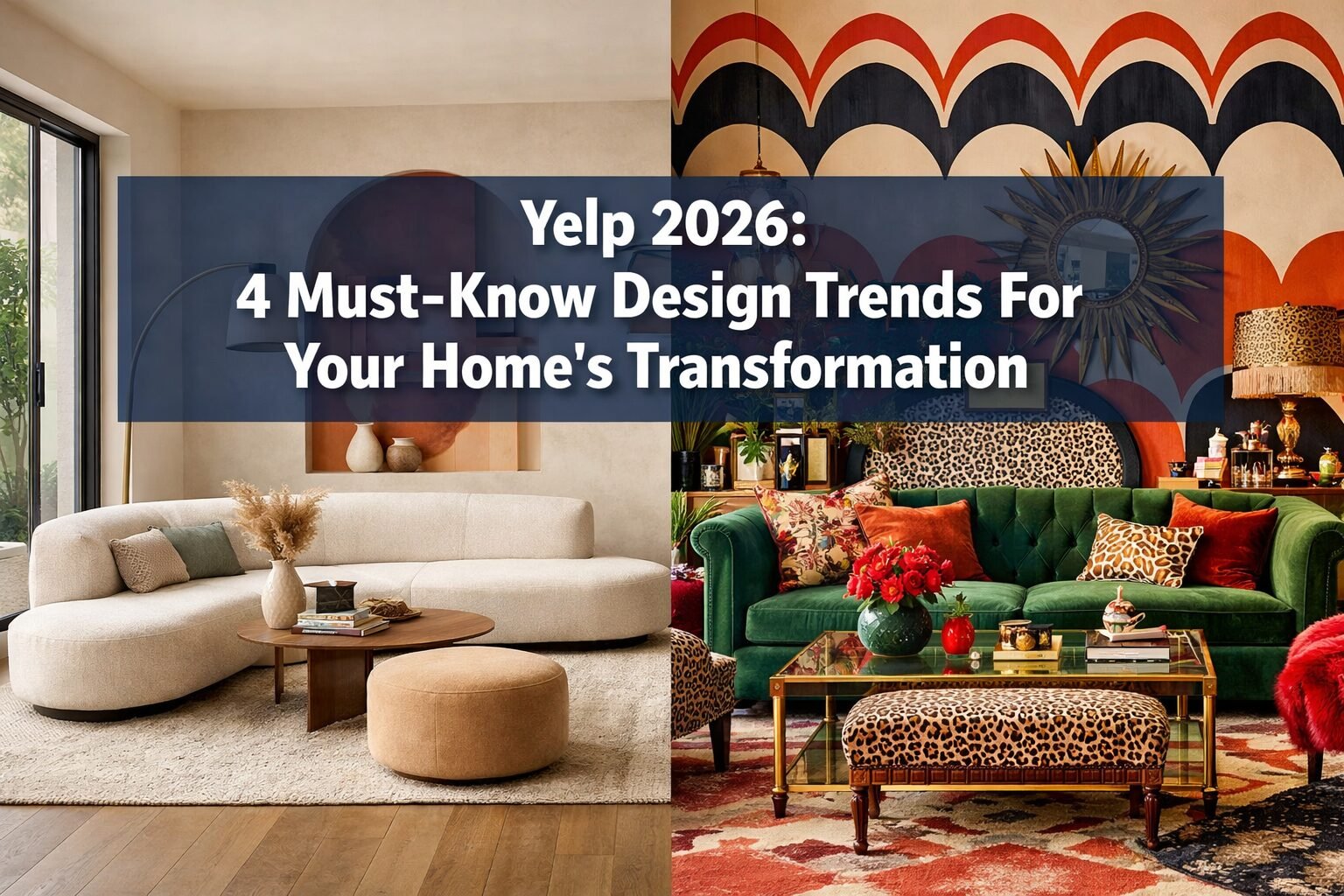
Picture this: you're scrolling through Yelp in 2026, searching for local contractors to finally tackle that home renovation you've been dreaming about. But instead of just finding service providers, you're discovering a treasure trove of design inspiration that's completely reshaping how homeowners approach their spaces. Yelp 2026: 4 Must-Know Design Trends For Your Home's Transformation isn't just about aesthetics—it's about understanding the extraordinary shifts in home design that are directly impacting property values, buyer preferences, and your home's marketability. Whether you're preparing to sell, just bought your dream property, or simply want to elevate your living space, these trends are absolutely so based that ignoring them would be like gatekeeping yourself from serious equity gains and lifestyle upgrades.

The connection between Yelp and home design trends might seem unexpected at first, but here's the tea: Yelp has evolved into a powerhouse platform where homeowners discover local artisans, contractors, and design professionals who are pioneering these fresh movements. The reviews, photos, and project portfolios shared on Yelp in 2026 reveal what's actually working in real homes—not just what looks good in magazine spreads. This real-world data is impeccable for understanding which design investments deliver ROI and which ones are just passing fads.
Key Takeaways
- Biophilic design integration is dominating 2026 home transformations, with nature-inspired elements increasing property values by 6-15% according to recent market data
- Smart home technology seamlessly woven into design (not just tacked on) has become a non-negotiable feature for buyers under 45, directly impacting sale speed and offers
- Artisan craftsmanship and handmade elements are replacing mass-produced décor, creating unique character that helps homes stand out in competitive markets
- Multifunctional spaces designed for flexibility are commanding premium prices as remote work continues reshaping how we use our homes
- Leveraging Yelp's local professional network helps homeowners find skilled contractors who can execute these trends authentically and within budget
Understanding the Yelp 2026 Design Revolution
The landscape of home design discovery has fundamentally shifted. Gone are the days when homeowners relied solely on big-box stores and national chains for renovation inspiration. Yelp 2026: 4 Must-Know Design Trends For Your Home's Transformation represents a democratization of design expertise, where local craftspeople, boutique studios, and specialized contractors showcase their work directly to potential clients.
Why Yelp Matters for Home Design in 2026
Yelp's platform has become the go-to resource for homeowners seeking authentic, locally-sourced design solutions. The platform's review system, project photo galleries, and detailed service descriptions provide transparency that traditional design channels can't match. When a contractor or designer maintains an active Yelp presence with verified project photos and detailed client reviews, homeowners gain confidence in their ability to execute current trends successfully.
This shift matters enormously for property values. Homes featuring professionally-executed, trend-forward design elements consistently outperform comparable properties with dated or generic aesthetics. According to 2025 housing market analysis, properties showcasing contemporary design trends sell 23% faster and command 8-12% higher prices than similar homes with outdated interiors.
The Four Pillars of 2026 Home Transformation
The design trends dominating Yelp searches and contractor portfolios in 2026 aren't arbitrary—they reflect deeper cultural shifts around sustainability, technology, authenticity, and flexibility. These four pillars represent what today's buyers actively seek and what appraisers increasingly recognize as value-adding features.
Sustainability has moved from buzzword to baseline expectation. Buyers want to see energy efficiency, natural materials, and eco-conscious choices woven throughout the home. Technology integration must be invisible yet powerful—smart features that enhance daily life without cluttering the aesthetic. Authenticity through artisan craftsmanship creates the unique character that mass production can't replicate. And flexibility in space design accommodates the evolving ways families live, work, and gather.
Trend #1: Biophilic Design – Bringing Nature Indoors
The first major trend in Yelp 2026: 4 Must-Know Design Trends For Your Home's Transformation is biophilic design, and it's absolutely dope how this movement has exploded beyond simple houseplants. Biophilic design intentionally connects interior spaces with natural elements, creating environments that reduce stress, improve air quality, and enhance overall wellbeing.
Core Elements of Biophilic Design
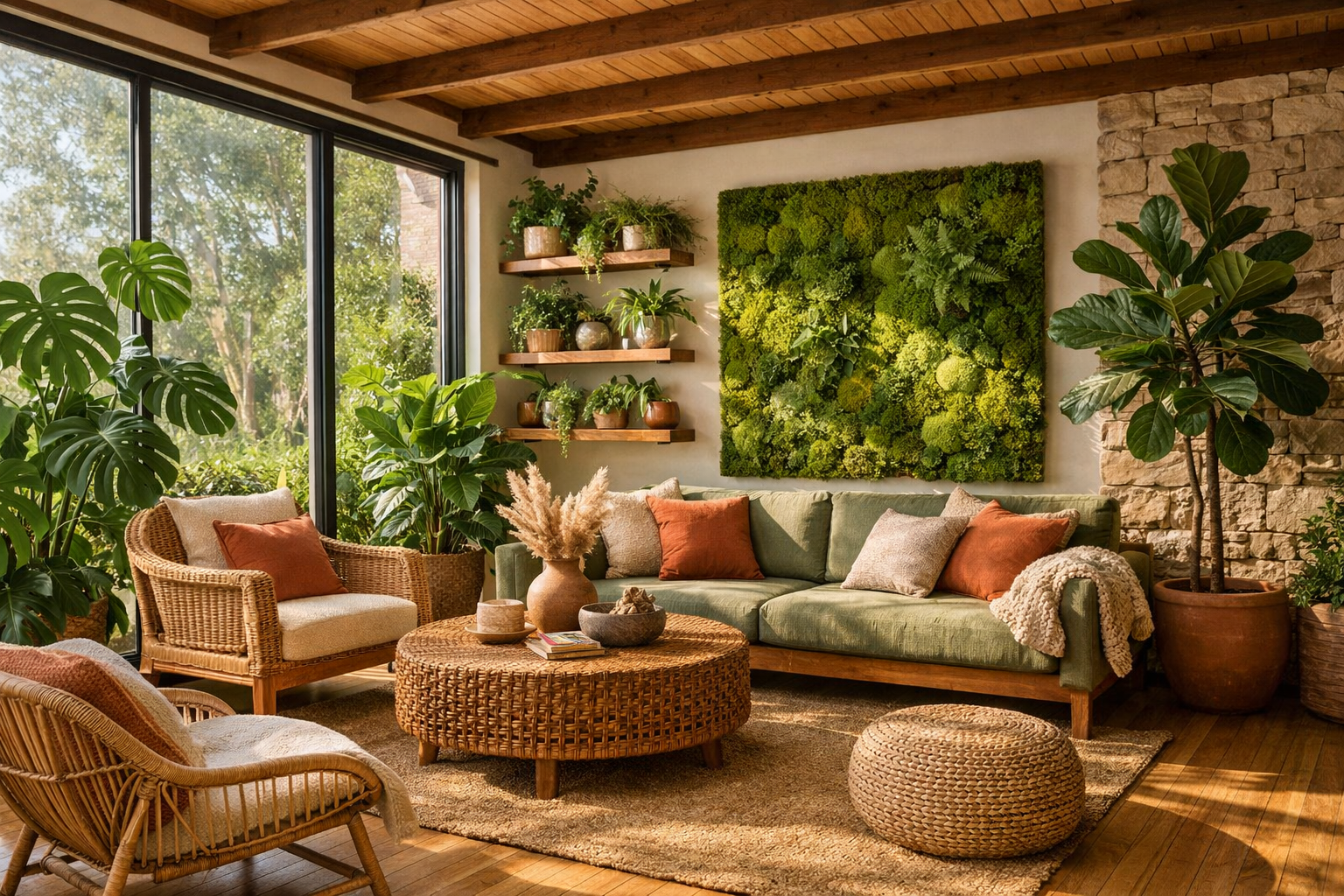
Living walls and vertical gardens have become signature features in high-end homes. These aren't just decorative—they're functional air purification systems that create dramatic focal points. Yelp contractors specializing in living wall installation report 300% increases in project requests compared to 2024.
Natural materials dominate material selections. Think reclaimed wood beams, stone accent walls, bamboo flooring, and cork surfaces. These materials bring texture, warmth, and organic variation that synthetic alternatives simply can't match. The imperfection is the point—each knot in the wood, each variation in stone color tells a story.
Maximized natural light through strategic window placement, skylights, and glass doors creates seamless indoor-outdoor connections. Homeowners are investing in floor-to-ceiling windows, clerestory windows, and even interior windows between rooms to allow light penetration throughout the home.
Water features have moved beyond outdoor patios into interior spaces. Small fountains, aquariums, and even indoor koi ponds create soothing soundscapes and visual interest while humidifying dry indoor air.
Implementation Strategies for Homeowners
Start small if a complete biophilic renovation isn't feasible. Adding substantial potted plants—think large fiddle leaf figs, monstera deliciosa, or bird of paradise—creates immediate impact. Position them near windows where they'll thrive and serve as living sculpture.
Consider interior design ideas that make your small living room look expensive by incorporating natural textures through throw pillows, area rugs, and window treatments. Jute, linen, wool, and cotton in earth tones create layered, organic aesthetics without major construction.
For more ambitious projects, consult with landscape architects and interior designers who specialize in biophilic principles. Yelp's platform makes finding these specialists straightforward—search for "biophilic design," "living walls," or "indoor gardens" plus your location to discover local experts with portfolio photos and verified reviews.
ROI and Market Impact
Biophilic design elements deliver measurable returns. Studies show homes with significant natural light sell for 6-10% premiums compared to darker comparable properties. Living walls and substantial indoor greenery create memorable impressions during showings, leading to stronger offers and faster sales.
Beyond resale value, biophilic design improves quality of life for current occupants. Reduced stress, better air quality, and enhanced mood aren't just feel-good benefits—they're health outcomes with real value. For homeowners planning to stay long-term, these improvements justify investment even without considering resale.
Trend #2: Seamless Smart Home Integration
The second pillar of Yelp 2026: 4 Must-Know Design Trends For Your Home's Transformation addresses technology, but not in the way you might expect. The trend isn't about having the latest gadgets—it's about invisible integration where technology enhances the home without dominating the aesthetic.
The Evolution of Smart Home Design
Early smart home adoption suffered from visible, clunky implementations. Wall-mounted tablets, exposed wiring, and obvious cameras created tech-forward spaces that felt cold and impersonal. The 2026 approach flips this entirely: technology should be felt, not seen.
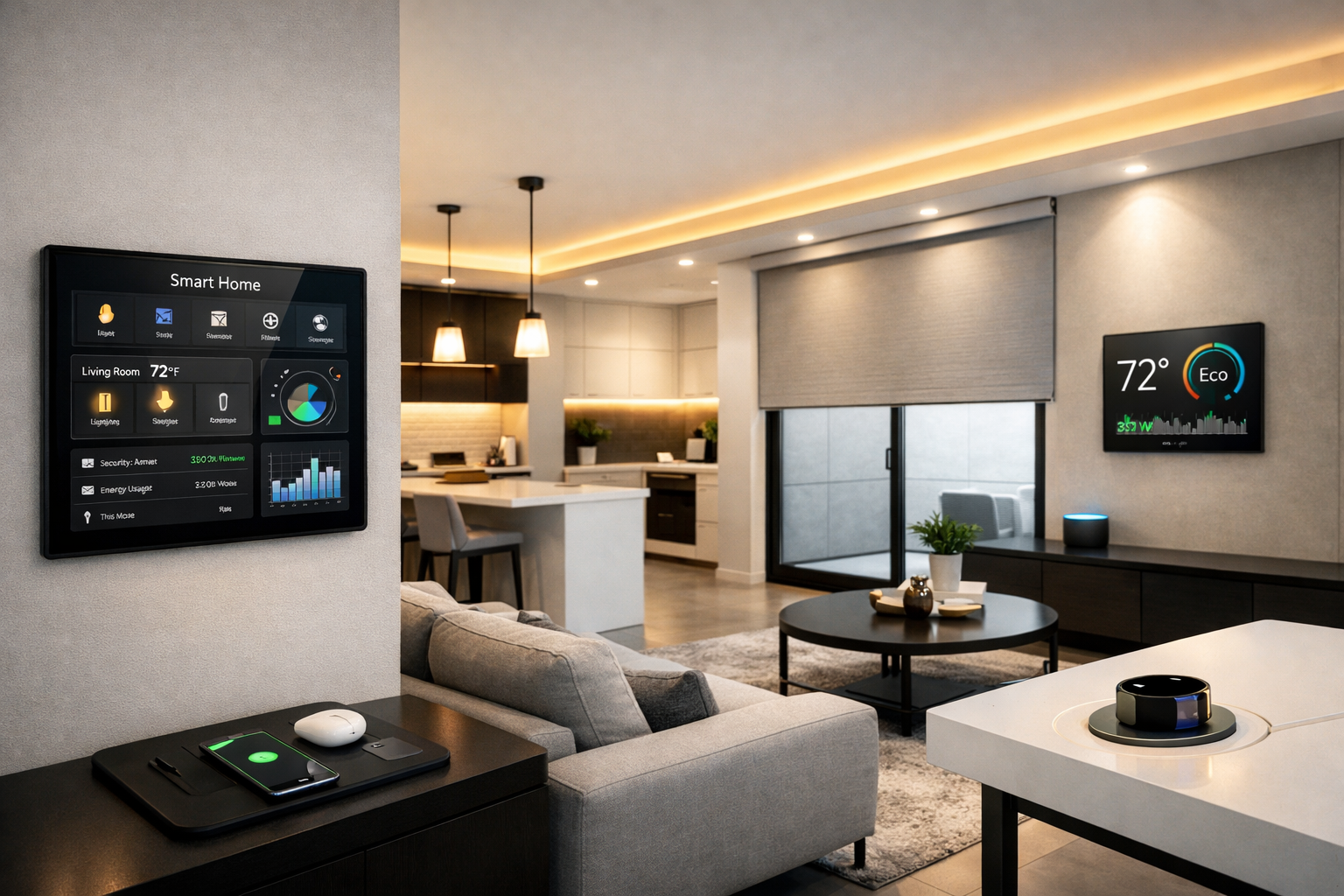
Voice-activated systems now control lighting, temperature, window treatments, and entertainment without requiring visible control panels. Speakers integrate into ceiling designs or hide within furniture. Microphones are embedded discreetly, eliminating the need for conspicuous smart home hubs on countertops.
Motorized window treatments operate silently and appear identical to traditional curtains or blinds when closed. The mechanisms hide completely within headers or side channels, preserving clean lines and traditional aesthetics while delivering modern convenience.
Smart lighting systems with tunable color temperature and intensity adapt throughout the day, supporting circadian rhythms and creating appropriate ambiance for different activities. The fixtures themselves look like traditional lighting—the intelligence is hidden in the bulbs and control systems.
Integrated charging solutions eliminate cord clutter. Furniture with built-in wireless charging, outlets hidden in drawers, and USB ports integrated into baseboards keep devices powered without visible cables snaking across surfaces.
Finding the Right Technology Partners
Implementing seamless smart home integration requires skilled professionals who understand both technology and design. Yelp reviews become invaluable here—look for electricians, home automation specialists, and integrators with specific mentions of "clean installation," "hidden wiring," and "design-conscious" in their reviews.
The best technology partners collaborate with interior designers rather than working in isolation. This coordination ensures that smart features enhance rather than compromise the home's aesthetic vision. When interviewing potential contractors through Yelp, ask to see portfolios specifically showing how they've concealed technology in previous projects.
Budget for this integration properly. While basic smart home features can be added affordably, truly seamless integration costs more upfront but delivers superior long-term results. Expect to invest 15-25% more than basic installations for professional-grade hidden integration.
Smart Home Features Buyers Demand
Understanding which smart features actually influence buyer decisions helps prioritize investments. According to recent surveys, these features top buyer wish lists:
- Smart thermostats with learning capabilities and remote control (demanded by 73% of buyers under 45)
- Video doorbells and security cameras with smartphone integration (68% of all buyers)
- Smart locks allowing keyless entry and remote access management (61% of buyers)
- Whole-home audio systems with zone control (54% of buyers in higher price points)
- Automated lighting with scenes and schedules (49% of buyers)
Notably, buyers increasingly expect these features to work together through unified control systems rather than requiring separate apps for each function. Homes with cohesive smart home ecosystems (Apple HomeKit, Google Home, Amazon Alexa, or dedicated systems like Control4) command premiums over homes with disconnected smart features.
For sellers preparing homes for market, consider exploring home decor swaps that make your place look designer on a Target budget while also investing in basic smart home features that deliver disproportionate perceived value.
Trend #3: Artisan Craftsmanship and Handmade Elements
The third trend in Yelp 2026: 4 Must-Know Design Trends For Your Home's Transformation represents a powerful countermovement to mass production: the embrace of artisan craftsmanship and handmade elements that create authentic, one-of-a-kind spaces.
Why Handmade Matters in 2026
In an era of AI-generated content and mass-produced everything, handcrafted elements provide tangible connection to human skill and creativity. Each handmade piece carries evidence of its maker—slight variations, tool marks, and unique characteristics that machine production eliminates.
This trend aligns perfectly with Yelp's platform strengths. Local artisans—woodworkers, metalworkers, ceramicists, textile artists, and furniture makers—use Yelp to showcase their work and connect with homeowners seeking custom pieces. The platform's photo galleries allow craftspeople to display their portfolios, while reviews verify quality and reliability.
Custom furniture leads this movement. Rather than purchasing identical pieces available in thousands of homes, buyers commission dining tables, bed frames, shelving units, and cabinetry designed specifically for their spaces. These pieces become conversation starters and family heirlooms rather than disposable furnishings.
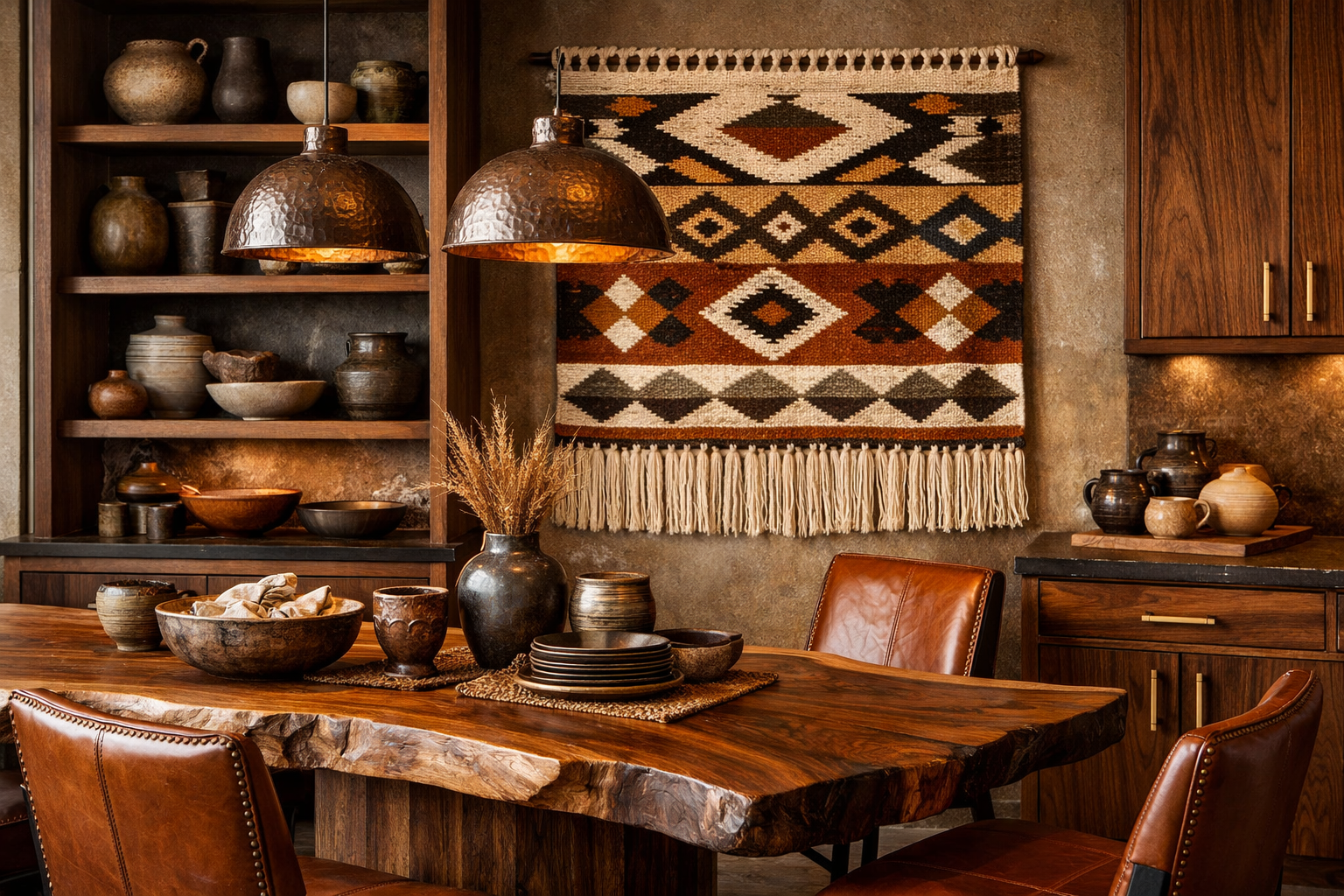
Handwoven textiles—rugs, wall hangings, throw blankets, and pillow covers—add texture and pattern while supporting traditional craft techniques. Many artisans now blend traditional methods with contemporary designs, creating pieces that honor heritage while feeling fresh and current.
Artisan lighting fixtures in hand-blown glass, hammered metal, or carved wood transform functional necessities into sculptural focal points. These pieces often become the defining elements of rooms, setting tone and style more effectively than any other single element.
Sourcing Artisan Elements Through Yelp
Finding quality artisans requires different search strategies than finding traditional contractors. On Yelp, search for specific craft types: "custom furniture maker," "woodworker," "metalworker," "ceramicist," or "textile artist" combined with your location. Review portfolios carefully, looking for:
- Consistent quality across multiple projects
- Style versatility showing the artisan can adapt to different aesthetics
- Detailed process descriptions indicating professionalism and clear communication
- Realistic timelines mentioned in reviews (custom work takes time)
- Fair pricing relative to the complexity and materials involved
Many artisans offer consultations to discuss projects before committing. Use these meetings to assess whether the craftsperson understands your vision and can execute it within your budget and timeline. Bring inspiration photos, room measurements, and clear descriptions of how you'll use the piece.
Balancing Budget and Authenticity
Artisan pieces typically cost more than mass-produced alternatives, but strategic selection maximizes impact without breaking budgets. Consider these approaches:
Invest in anchor pieces that define spaces—a custom dining table, a handcrafted bed frame, or a statement light fixture—while filling in with more affordable supporting elements.
Commission smaller items like cutting boards, serving pieces, or decorative objects from artisans, then gradually add larger pieces as budget allows.
Mix high and low by combining artisan showpieces with carefully selected mass-market items. The contrast actually enhances the handmade pieces, making them stand out more prominently.
Consider local art as an affordable entry point. Original paintings, prints, and photography from local artists (easily found through Yelp) personalize spaces while supporting creative communities.
For those interested in understanding how unique design elements affect property values, explore resources on architectural styles and how distinctive character influences buyer perception and pricing.
Trend #4: Multifunctional and Adaptive Spaces
The fourth essential trend in Yelp 2026: 4 Must-Know Design Trends For Your Home's Transformation addresses how we actually use our homes in 2026: multifunctional spaces designed for flexibility rather than single-purpose rooms.
The Death of Single-Purpose Rooms
The traditional home layout—formal living room, formal dining room, dedicated home office—no longer matches how families actually live. Remote work, online learning, fitness routines, and hobby pursuits all compete for space within the home. The 2026 solution isn't bigger houses; it's smarter design that allows rooms to serve multiple functions seamlessly.
Transformable furniture enables this flexibility. Murphy beds that fold into walls reveal home offices or yoga studios during daytime hours. Dining tables with removable leaves accommodate both intimate dinners and large gatherings. Modular seating arrangements reconfigure for different activities and group sizes.
Flexible room dividers—sliding panels, curtains, bookcases on casters—allow spaces to expand or subdivide based on immediate needs. An open-concept great room becomes a private office plus a playroom. A large bedroom splits into sleeping quarters plus a meditation space.
Built-in storage solutions maximize usability by keeping spaces clutter-free and ready for quick transitions. A guest room with ample closet storage easily converts to a craft room, home gym, or office when guests aren't visiting. Everything has a designated place, enabling rapid room transformations.
Designing for Work-From-Home Reality
The persistence of remote and hybrid work arrangements has permanently altered home design priorities. Dedicated office spaces remain valuable, but 2026 trends emphasize distributed work zones throughout the home rather than single home offices.
Kitchen work stations with charging outlets, task lighting, and comfortable seating allow parents to supervise homework or monitor young children while working. These zones integrate into kitchen design rather than appearing as afterthoughts.
Bedroom work nooks provide private spaces for focused work or video calls without requiring separate rooms. A well-designed alcove with a floating desk, good lighting, and sound-dampening elements creates functional workspace within the bedroom footprint.
Outdoor work spaces—covered patios, screened porches, or dedicated garden offices—extend usable square footage while providing inspiring environments. Yelp contractors specializing in outdoor living spaces report that home office additions are among their most requested projects in 2026.
Implementing Multifunctional Design
Converting existing spaces to multifunctional use requires thoughtful planning. Start by analyzing how you actually use each room currently versus how it's theoretically designated. That formal living room that sits empty except during holidays? Prime candidate for transformation.
Work with designers or contractors who specialize in space planning and built-in solutions. Yelp searches for "custom built-ins," "space planning," or "home office design" connect you with professionals who can maximize functionality within existing footprints.
Consider these specific strategies:
Pocket doors or barn doors save space compared to traditional swing doors while adding architectural interest. They enable rooms to open or close as needed without sacrificing floor space to door clearance.
Wall beds with integrated desks (modern Murphy bed systems) create guest rooms that function as offices 95% of the time. Quality systems operate smoothly and look like attractive cabinetry when closed.
Modular shelving systems adapt as needs change. Start with a configuration supporting current activities, then reconfigure as children grow, hobbies evolve, or work requirements shift.
Neutral color palettes make spaces feel cohesive even when serving different functions. A room that's sometimes an office, sometimes a guest room, and sometimes a yoga studio works best with versatile, calming colors rather than highly specific design themes.
For homeowners preparing to sell, multifunctional spaces actually enhance marketability by demonstrating how buyers might use the home. Rather than leaving rooms empty or overly staged for single purposes, showing flexibility appeals to buyers with varying needs. Learn more about preparing your home to attract buyers with strategic design choices.
Finding the Right Professionals on Yelp
Understanding Yelp 2026: 4 Must-Know Design Trends For Your Home's Transformation is one thing; executing these trends successfully requires skilled professionals. Yelp's platform offers extraordinary resources for finding qualified contractors, designers, and artisans, but maximizing these resources requires strategic searching and evaluation.
Advanced Yelp Search Strategies
Use specific search terms rather than generic categories. Instead of searching "contractor," try "biophilic design specialist," "smart home integrator," "custom furniture maker," or "space planning consultant." Specific terms surface professionals with relevant expertise rather than general contractors who may lack experience with current trends.
Filter by project type using Yelp's photo search features. Browse contractor portfolios specifically looking for projects similar to what you're planning. A contractor with dozens of traditional kitchen remodels may not be the best choice for a cutting-edge smart home integration project.
Read reviews critically looking for specific mentions of design sensibility, communication quality, budget adherence, and problem-solving abilities. The best contractors receive praise not just for technical skills but for collaborative approaches and creative solutions to challenges.
Check licensing and insurance through Yelp's business information sections and by directly requesting documentation. Legitimate professionals readily provide proof of proper licensing, liability insurance, and workers' compensation coverage.
Request multiple quotes from 3-5 highly-rated professionals for significant projects. This provides pricing context and allows comparison of approaches, timelines, and communication styles.
Red Flags to Watch For
Not every highly-rated Yelp business is the right fit for trend-forward design projects. Watch for these warning signs:
- Generic portfolio photos that could describe any contractor's work rather than showcasing distinctive style or expertise
- Pressure tactics pushing immediate decisions or deposits before providing detailed proposals
- Vague timelines without specific milestone dates or completion targets
- Resistance to design input or dismissiveness toward your vision and preferences
- Inability to provide references beyond Yelp reviews or reluctance to connect you with past clients
For guidance on avoiding contractor issues, explore resources on hiring the right contractors for renovations and recognizing red flags before problems arise.
Building Collaborative Relationships
The most successful home transformations result from collaborative relationships between homeowners and professionals rather than transactional arrangements. Approach contractor relationships as partnerships where both parties contribute expertise toward shared goals.
Communicate clearly about budgets, timelines, and priorities from the initial conversation. Transparency prevents misunderstandings and allows professionals to propose realistic solutions.
Remain flexible when professionals suggest alternative approaches based on their experience. While maintaining your vision is important, experienced contractors often identify better solutions or potential problems you haven't considered.
Document everything through written contracts, change orders, and regular communication logs. This protects both parties and provides clarity when questions arise.
Provide timely decisions when contractors need selections or approvals. Delays on your end cascade through project timelines, potentially causing scheduling conflicts and cost overruns.
Budgeting for Trend-Forward Transformations
Implementing Yelp 2026: 4 Must-Know Design Trends For Your Home's Transformation requires realistic budgeting that balances aspirations with financial constraints. Understanding typical costs and prioritization strategies helps homeowners make informed decisions that maximize impact within available resources.
Cost Ranges by Trend Category
Biophilic design elements vary dramatically in cost:
- Basic implementation (substantial plants, natural textiles): $500-$2,000
- Mid-range projects (natural material upgrades, enhanced lighting): $5,000-$15,000
- High-end installations (living walls, major window additions): $20,000-$75,000+
Smart home integration depends on scope and quality:
- Entry-level systems (smart thermostat, doorbell, locks): $1,000-$3,000
- Comprehensive smart home (lighting, security, audio, climate): $10,000-$25,000
- Luxury integration (whole-home automation, hidden technology): $30,000-$100,000+
Artisan elements reflect craftsmanship and materials:
- Small decorative pieces (pottery, textiles, art): $100-$1,500 per item
- Custom furniture pieces (tables, chairs, cabinets): $2,000-$15,000 per piece
- Major commissioned work (built-ins, architectural elements): $15,000-$50,000+
Multifunctional space conversions depend on construction requirements:
- Furniture and organizational solutions: $2,000-$8,000
- Minor renovations (built-ins, doors, lighting): $8,000-$25,000
- Major reconfigurations (walls, systems, custom elements): $25,000-$75,000+
Prioritization Frameworks
When budgets can't accommodate all desired improvements, strategic prioritization ensures maximum impact:
Focus on high-visibility areas that influence first impressions and daily experience. Entry spaces, primary living areas, and kitchens deliver the greatest return on investment both in property value and quality of life.
Address functional issues first before purely aesthetic upgrades. Poor lighting, inadequate storage, or uncomfortable temperatures undermine even beautiful design. Solve these problems, then layer in aesthetic enhancements.
Invest in quality for permanent elements like flooring, cabinetry, and built-ins that you'll live with for years. These aren't areas to cut corners. Save money instead on easily changeable elements like paint colors, textiles, and accessories.
Phase projects strategically by completing work in logical sequences. Finish structural and systems work before final finishes. Complete one room fully before starting another rather than leaving multiple spaces partially finished.
For homeowners considering renovations specifically to increase resale value, explore high-ROI home renovation ideas that deliver measurable returns when selling.
Financing Options for Major Projects
Significant home transformations often require financing beyond available cash reserves. Understanding options helps homeowners make informed decisions:
Home equity lines of credit (HELOCs) provide flexible access to equity with relatively low interest rates. Draw funds as needed during projects and pay interest only on amounts used.
Cash-out refinancing replaces existing mortgages with larger loans, providing lump sums for renovations. This works best when current interest rates are favorable relative to existing mortgage rates.
Personal loans offer fixed rates and terms without using home equity as collateral. These work well for smaller projects ($5,000-$50,000) with defined scopes and timelines.
Credit cards with promotional rates can finance smaller projects if you're confident about repayment within promotional periods. This avoids interest charges entirely when managed properly.
Contractor financing through partnerships with lenders sometimes offers competitive rates and streamlined approval processes. Compare these carefully against other options before committing.
The ROI of Design Trends: What Actually Adds Value
Homeowners investing in Yelp 2026: 4 Must-Know Design Trends For Your Home's Transformation naturally wonder about return on investment, especially those planning eventual sales. Understanding which improvements deliver measurable value helps guide decision-making.
Quantifiable Value Increases
Recent market data reveals specific ROI figures for trend-aligned improvements:
Biophilic design elements deliver 6-15% value premiums when professionally executed. Homes with substantial natural light, quality natural materials, and living plant installations consistently outperform comparable properties. The key is professional execution—amateur attempts often fail to deliver equivalent returns.
Smart home technology adds 3-5% to property values for comprehensive systems, with higher returns in markets with younger buyer demographics. However, outdated or poorly integrated technology can actually detract from value, making quality and current standards essential.
Artisan elements and custom features create differentiation that's difficult to quantify precisely but clearly influences buyer perception and willingness to pay premiums. Unique, high-quality custom work helps homes stand out in competitive markets, often resulting in multiple offers and above-asking prices.
Multifunctional spaces appeal to broad buyer segments by demonstrating versatility. Homes showcasing flexible use patterns sell faster (15-25% reduction in days on market) even when price premiums are modest.
Intangible Value Factors
Beyond direct price impacts, trend-forward design delivers less quantifiable but equally important benefits:
Faster sales mean less carrying costs, fewer price reductions, and greater negotiating power. Homes that generate immediate interest and multiple showings sell on more favorable terms than properties that languish on market.
Broader buyer appeal results from contemporary design that feels current without being trendy. Homes that look and feel like they belong in 2026 attract buyers across demographic segments, while dated properties appeal only to bargain hunters or investors.
Reduced buyer objections occur when homes present well and require no immediate updates. Buyers focus on whether the home meets their needs rather than calculating renovation costs and timelines.
Enhanced photography and marketing naturally result from attractive, well-designed spaces. Professional listing photos showcase trend-forward homes more effectively, driving online interest and showing requests.
For sellers specifically, understanding pricing strategies that avoid triggering price cuts helps maximize returns from design investments.
When ROI Doesn't Matter
For homeowners planning to remain in their properties long-term, strict ROI calculations miss the point. The value of living in beautiful, functional spaces that support wellbeing and daily activities far exceeds eventual resale considerations.
Quality of life improvements justify investments even without financial returns. Better lighting, comfortable temperatures, reduced clutter, and inspiring aesthetics enhance daily experience in ways that balance sheets can't capture.
Personal satisfaction from creating spaces that reflect individual taste and support specific activities provides ongoing value throughout ownership. The joy of cooking in a well-designed kitchen or working in an inspiring home office compounds over years of use.
Family memories created in thoughtfully designed spaces become priceless. The dining table where families gather, the reading nook where children discover books, the outdoor space where friends congregate—these environments shape experiences and relationships in profound ways.
Common Mistakes to Avoid
Even with clear understanding of Yelp 2026: 4 Must-Know Design Trends For Your Home's Transformation, homeowners frequently make avoidable mistakes that compromise results and waste resources. Learning from common errors helps ensure successful outcomes.
Over-Trending and Dating Your Home
The biggest risk with trend adoption is creating spaces that feel dated within a few years. The solution isn't avoiding trends entirely but rather distinguishing between enduring design principles and fleeting fads.
Biophilic design, smart home integration, artisan craftsmanship, and flexible spaces represent fundamental shifts in how we think about homes—these aren't passing fads. However, specific expressions of these trends (particular color palettes, specific technology brands, trendy materials) may feel dated quickly.
Choose classic implementations of current trends. Natural materials, quality craftsmanship, and functional flexibility remain valuable regardless of shifting aesthetics. Avoid highly specific trend expressions that scream "2026" in ways that will feel embarrassing in 2030.
Maintain neutral foundations in permanent elements like flooring, cabinetry, and fixtures. Express personality and current trends through easily changeable elements like paint, textiles, accessories, and furniture.
Avoid trend stacking where every current trend appears in every room. Selective, thoughtful incorporation creates more sophisticated results than trying to check every trending box.
Ignoring Your Home's Architecture
Forcing contemporary trends into homes with strong architectural identities often creates jarring disconnects. A Victorian home doesn't need to look Victorian inside, but completely ignoring its character in favor of ultra-modern minimalism creates cognitive dissonance.
Respect architectural context by finding expressions of current trends that complement rather than fight existing architecture. Biophilic design works in any architectural style—the specific implementation just varies. Victorian homes might incorporate biophilic elements through period-appropriate conservatory-style spaces, while mid-century modern homes might use floor-to-ceiling glass and indoor-outdoor flow.
Maintain proportional relationships between new elements and existing architecture. Oversized contemporary furniture overwhelms rooms with modest ceiling heights and delicate moldings. Conversely, traditional pieces look lost in open-concept spaces with soaring ceilings.
Preserve character-defining features even when updating surrounding elements. Original hardwood floors, architectural details, and quality craftsmanship from any era deserve preservation and integration into updated designs.
For deeper understanding of how architectural styles influence design decisions, explore comprehensive guides to architectural styles and their characteristics.
DIY Overreach
The proliferation of home improvement content online convinces many homeowners they can tackle complex projects without professional help. While DIY works beautifully for certain tasks, trend-forward design often requires expertise that tutorials can't provide.
Know your limits honestly. Painting, simple furniture assembly, and basic decorating are absolutely DIY-friendly. Smart home system integration, structural modifications, and custom built-ins typically require professional expertise.
Consider opportunity costs of DIY projects. Time spent struggling with unfamiliar tasks might be better invested in income-generating work that funds professional execution. Poor DIY results often cost more to fix than professional work would have cost initially.
Hire professionals for permanent elements that affect home value and daily function. Electrical work, plumbing, structural changes, and major installations warrant professional expertise. Save DIY efforts for reversible, low-stakes projects.
Budget Mismanagement
Underestimating project costs and failing to maintain contingency reserves causes countless renovation disasters. Professional-quality results require adequate funding—cutting corners to meet unrealistic budgets produces disappointing outcomes.
Add 20-30% contingency to initial budget estimates for unexpected issues, design changes, and scope adjustments. Renovation projects almost universally encounter surprises that require additional spending.
Get detailed written estimates from multiple contractors before committing to projects. Vague verbal quotes lead to disputes and cost overruns when actual invoices arrive.
Prioritize quality over quantity by completing fewer projects to higher standards rather than spreading budgets thin across multiple compromised efforts. One beautifully executed room creates more impact than three half-finished spaces.
Track spending meticulously throughout projects using spreadsheets or project management apps. Knowing exactly where money goes enables informed decisions when adjustments become necessary.
Seasonal Considerations for Home Transformations
Timing significantly impacts both the execution and enjoyment of Yelp 2026: 4 Must-Know Design Trends For Your Home's Transformation. Strategic scheduling based on seasonal factors optimizes results and minimizes disruption.
Spring: Planning and Preparation
Spring represents ideal timing for planning major transformations without rushing into execution. Use these months to:
- Research contractors and designers through Yelp, collecting portfolios and reviews
- Obtain multiple quotes and compare approaches
- Finalize designs and material selections
- Secure permits and schedule contractors for summer work
- Complete outdoor projects that benefit from mild weather and longer daylight
Spring also offers opportunities for quick-impact improvements that immediately enhance homes:
- Deep cleaning and decluttering to reveal existing potential
- Fresh paint in updated color palettes
- Planting gardens and adding outdoor greenery
- Window treatments that control increasing sunlight
Summer: Major Project Execution
Summer's warm, dry weather makes it the optimal season for construction and renovation in most climates. Longer days provide extended work hours, and outdoor work proceeds without weather delays.
Schedule major projects during summer months:
- Exterior work (windows, doors, siding, roofing)
- Projects requiring open walls or windows
- Outdoor living space construction
- Major systems work (HVAC, electrical, plumbing)
Plan for disruption by arranging temporary living situations if projects affect critical spaces like kitchens or bathrooms. Summer vacations provide natural opportunities to be away during messy phases.
Monitor contractor progress closely during summer when multiple projects compete for attention. Regular site visits and communication ensure your project remains on schedule and meets quality standards.
Fall: Finishing and Refinement
Fall excels for completing projects and adding finishing touches before holiday entertaining season. Focus on:
- Final installations and punch-list completion
- Interior painting and finishing work
- Furniture delivery and arrangement
- Accessorizing and styling completed spaces
Fall also offers excellent timing for smart home integration projects that don't require major construction. Comfortable temperatures make indoor work pleasant, and completing installations before winter ensures systems function properly during heating season.
Winter: Planning and Small Projects
Winter suits planning future projects and completing small-scale improvements that don't require outdoor work or major disruption:
- Researching and interviewing contractors for spring projects
- Ordering custom furniture and artisan pieces with long lead times
- Completing interior projects in unused spaces
- Refreshing décor with new textiles, artwork, and accessories
Winter also provides opportunities to evaluate how your home functions during cold months. Identify comfort issues, lighting deficiencies, and space utilization problems that design improvements might address.
Regional Variations in Design Trends
While Yelp 2026: 4 Must-Know Design Trends For Your Home's Transformation represents broad movements, regional variations significantly influence specific implementations. Understanding local preferences and climate considerations ensures designs resonate with regional buyers and function properly in local conditions.
Coastal Regions
Coastal areas emphasize indoor-outdoor living and materials that withstand humidity and salt air. Biophilic design naturally aligns with coastal lifestyles, incorporating:
- Large sliding glass doors and retractable walls
- Outdoor kitchens and living spaces
- Weather-resistant natural materials (teak, marine-grade fabrics, sealed stone)
- Light, airy color palettes reflecting beach and ocean
Smart home features in coastal regions prioritize storm preparation and security—automated hurricane shutters, water sensors, and remote monitoring systems that allow owners to check properties from distance.
Urban Markets
Dense urban environments emphasize space efficiency and noise control. Multifunctional design becomes essential in smaller footprints:
- Murphy beds and transformable furniture
- Soundproofing materials and acoustic treatments
- Vertical storage solutions maximizing limited floor space
- Balcony and terrace optimization for outdoor access
Urban buyers particularly value smart home security features including video doorbells, smart locks, and integrated security systems that provide peace of mind in higher-density environments.
Suburban Areas
Suburban homes often offer more space, allowing dedicated rooms for specific functions while still benefiting from flexibility:
- Home offices separated from living areas
- Finished basements serving multiple functions
- Outdoor spaces with distinct zones (dining, lounging, play areas)
- Larger-scale artisan pieces and statement furniture
Suburban buyers increasingly seek sustainable features including solar panels, energy-efficient systems, and native landscaping that reduces maintenance while supporting local ecosystems.
Rural Properties
Rural homes emphasize connection to surrounding landscapes and self-sufficiency:
- Extensive windows framing views
- Outdoor living spaces integrated with natural settings
- Sustainable systems (wells, septic, renewable energy)
- Durable materials requiring minimal maintenance
Rural buyers often appreciate artisan craftsmanship more than urban counterparts, valuing locally-sourced materials and traditional building techniques that honor regional heritage.
Future-Proofing Your Home Design
Beyond implementing current trends, savvy homeowners consider future adaptability when making design decisions. Future-proofing ensures homes remain functional and valuable as technology, demographics, and lifestyles continue evolving.
Aging-in-Place Considerations
Even young homeowners benefit from incorporating universal design principles that support aging in place:
- Zero-threshold entries and wide doorways accommodating wheelchairs
- First-floor bedroom and bathroom options
- Lever-style door handles and faucets requiring minimal grip strength
- Adequate lighting and contrast for aging vision
- Blocking in bathroom walls for future grab bar installation
These features don't compromise aesthetics—they simply ensure homes remain functional across life stages, protecting long-term value and eliminating future renovation needs.
Technology Infrastructure
Rapid technology evolution makes robust infrastructure more important than specific devices:
- Extensive electrical outlets and USB charging ports throughout homes
- Ethernet wiring to key locations despite current WiFi reliance
- Conduit pathways allowing future wire installation without wall demolition
- Electrical panel capacity exceeding current needs to accommodate future additions
- Dedicated circuits for high-power devices and electric vehicle charging
Infrastructure investments pay dividends for decades, supporting technologies not yet invented while current devices become obsolete within years.
Climate Adaptation
Changing climate patterns require resilient design addressing extreme weather:
- Enhanced insulation exceeding current code minimums
- Storm-resistant windows and doors
- Backup power systems (generators or battery storage)
- Passive cooling strategies reducing air conditioning dependence
- Drought-tolerant landscaping and rainwater collection systems
These features provide immediate comfort and cost savings while protecting against future climate-related challenges that will increasingly affect property values and insurability.
For comprehensive guidance on sustainable design that delivers both environmental and financial benefits, explore sustainable home design moves that actually pay off.
Conclusion: Taking Action on Your Home Transformation
Yelp 2026: 4 Must-Know Design Trends For Your Home's Transformation represents more than aesthetic preferences—these trends reflect fundamental shifts in how we live, work, and interact with our homes. Biophilic design, seamless smart home integration, artisan craftsmanship, and multifunctional spaces aren't fleeting fads; they're responses to genuine needs for healthier, more functional, and more meaningful living environments.
The extraordinary thing about these trends is their accessibility. Whether you're working with unlimited budgets or modest resources, each trend offers entry points at multiple price levels. Start with affordable implementations—substantial plants, basic smart home devices, handmade accessories, or simple furniture rearrangements. Build from there as budgets and confidence grow.
Yelp's platform provides impeccable resources for finding professionals who can execute these trends authentically. The key is approaching searches strategically, evaluating portfolios critically, and building collaborative relationships with skilled contractors, designers, and artisans who share your vision.
Your Next Steps
Immediate actions (this week):
- Audit your current home identifying which trends already exist and which could add the most value
- Create a Yelp account if you don't have one and start researching local professionals in relevant categories
- Establish a realistic budget including 20-30% contingency for your highest-priority improvements
- Begin collecting inspiration images showing specific implementations you find appealing
Short-term actions (this month):
- Request quotes from 3-5 highly-rated professionals for your priority project
- Visit completed projects or showrooms to see quality work firsthand
- Finalize designs and material selections for your first phase
- Secure financing if needed and schedule work with chosen professionals
Long-term strategy (this year):
- Complete priority projects to high standards rather than rushing through multiple compromised efforts
- Document transformations with professional photography for insurance and future reference
- Evaluate results and plan subsequent phases based on lessons learned
- Enjoy your transformed spaces while planning next improvements
Remember that home transformation is a journey, not a destination. Even the most beautifully designed homes evolve over time as families grow, needs change, and new possibilities emerge. The goal isn't perfection—it's creating spaces that support your life, reflect your values, and bring daily joy.
Whether you're preparing to sell and want to maximize market appeal, recently purchased and are making a house your home, or simply ready to refresh spaces you've lived with for years, these trends provide fresh frameworks for thinking about your home's potential. The dope thing about 2026 design is that it's so based in functionality and authenticity rather than superficial style—investments in these areas deliver returns in both property value and quality of life.
Stop gatekeeping yourself from the home you deserve. The resources, professionals, and inspiration exist right now on platforms like Yelp and through educational resources like Real Estate Rank IQ. The only thing standing between your current home and its transformed potential is the decision to begin.
For ongoing guidance on home design, real estate strategy, and market insights, explore the comprehensive resources at Real Estate Rank IQ, where licensed brokers with over 15 years of experience provide expert-backed, actionable content for homeowners, buyers, sellers, and investors. Subscribe to updates at news@realestaterankiq.com or follow @Realestaterankiq on YouTube for video content that brings these concepts to life.
Your home transformation starts now. Make it extraordinary. 🏡✨