


You’ve probably scrolled through countless travel photos and wondered which famous landmarks truly deserve a spot on your bucket list. The Eiffel Tower alone attracts over 6 million visitors each year, making it one of the most photographed structures on Earth.

This guide breaks down the most iconic landmarks worldwide, from the ancient Great Wall of China to the mystical Machu Picchu, giving you insider tips for each destination. Prepare to plan the adventure of a lifetime.
Key Takeaways
- Famous landmarks attract millions of visitors annually, with the Eiffel Tower welcoming 7 million and the Great Wall of China drawing over 10 million tourists yearly.
- UNESCO World Heritage Sites like Machu Picchu, Taj Mahal, and Great Pyramid of Giza represent human achievement, cultural heritage, and architectural brilliance spanning thousands of years.
- Strategic planning includes booking tickets 6-8 months ahead for popular sites, visiting during off-peak seasons, and choosing early morning times to avoid crowds.
- These iconic landmarks serve as cultural ambassadors telling civilization stories, from the 4,500-year-old Great Pyramid to the 1931 Christ the Redeemer statue.
- Visiting multiple landmarks requires smart preparation focusing on proximity-based accommodations, flexible schedules, and prioritizing sites based on personal interests in history or architecture.

Ultimate Guide to the Most Famous Landmark in the World

You’ve probably seen these famous landmarks in movies, Instagram posts, or travel documentaries — but what makes certain places capture the imagination of millions while others fade into obscurity? These iconic landmarks stand as more than just tourist attractions; they represent human achievement, cultural heritage, and the stories that connect us across continents and centuries.
What defines a famous landmark?
Famous landmarks stand as iconic symbols that represent entire cities or nations through their unique achievements in art, architecture, or history. These structures capture global attention because they possess distinctive architectural styles, hold deep historical significance, and maintain strong cultural relevance that sets them apart from ordinary buildings.
The Eiffel Tower exemplifies this perfectly, serving as France’s iron lady that attracts millions of visitors annually to Paris. Great landmarks like the Taj Mahal showcase extraordinary craftsmanship while telling powerful stories that connect across cultures and generations.
Massive visitor numbers serve as a clear indicator of a landmark’s global fame and recognition. The Great Wall of China draws tourists from every continent, while Machu Picchu continues to inspire travelers interested in the lost city of the Incas.
These sites often connect to important historical events or represent groundbreaking innovations in construction and design. Preservation efforts become critical for these structures because they function as shared human heritage that future generations must experience.
Each famous landmark provides visitors with a strong sense of place and inspires people to explore different corners of our world.
Why these iconic landmarks captivate millions globally.
Iconic landmarks create an irresistible pull that draws over 10 million visitors annually to sites like the Great Wall of China and 14 million to the Pyramids of Giza. These structures represent far more than stone and steel; they embody human achievement, cultural pride, and centuries of fascinating stories.
The Eiffel Tower welcomes 7 million guests each year who come to witness its nightly light show, while 8 million people travel to India to experience the Taj Mahal’s detailed design and romantic legend.
Each famous landmark offers something unique that sparks curiosity and wonder.
Great landmarks are not just tourist attractions; they’re cultural ambassadors that tell the story of human civilization and inspire us to dream bigger. – Travel historian Dr. Sarah Mitchell
Mystery and rediscovery add another layer of fascination to these sites. Machu Picchu remained hidden from the world until 1911, creating an aura of adventure that still captivates explorers today.
The Leaning Tower of Pisa tilts at exactly 4 degrees, defying expectations and creating endless photo opportunities. These UNESCO World Heritage Sites serve as backdrops for major cultural events, increasing their global appeal and cementing their status as must-see destinations.
The combination of historical significance, architectural brilliance, and cultural importance makes these landmarks irresistible to travelers seeking meaningful experiences.
Now we’ll examine the first of these magnificent structures, starting with the symbol that defines Paris itself.
The Symbol of France: Eiffel Tower, Paris

The Eiffel Tower stands tall as France’s iron lady, drawing millions of visitors who crane their necks to admire Gustave Eiffel’s masterpiece that once shocked Parisians but now defines their city’s skyline.
You’ll find this 1,083-foot monument offers spectacular views of the Seine River and Champs-Élysées, especially when golden hour light transforms la dame de fer into a glowing beacon that makes every Instagram photo look like a movie scene.
History and significance of the Eiffel Tower.
Gustave Eiffel designed this iron masterpiece in 1889 as the entrance gateway to the International Exposition, celebrating the centenary of the French Revolution. Built from open-lattice wrought iron, the structure required about 2.5 million rivets and took approximately two years to complete.
Standing at 330 meters (1,083 feet) tall, this iconic landmark held the title of world’s tallest man-made structure until 1929. Paris World Fair visitors first witnessed this engineering marvel that would transform the city’s skyline forever.
Beyond its role as a tourist attraction, the tower served practical purposes as a meteorological station and military telegraph station. Today, this famous landmark welcomes about 250+ million total visitors, making it the most popular paid tourist attraction worldwide.
The structure expands approximately 15 centimeters during summer due to heat, showing the responsive nature of iron construction. Three visitor floors, a museum, and multiple restaurants now occupy this UNESCO World Heritage Site area, demonstrating that functional architecture can become a symbol of an entire nation.
Best times to visit and insider tips.
You’ll find the best value by visiting the Eiffel Tower outside the peak season from late June to early September. Crowds thin out significantly during fall and winter months, giving you better photo opportunities and shorter wait times.
The tower receives about 7 million visitors per year, so timing matters for your experience.
Skip the expensive elevator rides to the top and save money with second-level tickets instead. You can climb 704 stairs to reach the second level, which offers spectacular views at a fraction of the cost.
Book dinner at Madame Brasserie for a mid-range dining experience, or splurge on Jules Verne, the Michelin-starred restaurant that requires formal attire. The structure sparkles for 5 minutes every hour after sunset, creating perfect Instagram moments that over 250 million visitors have enjoyed since opening.
The tower has three visitor levels, with unique views from each, making every perspective worth the climb or ride up.
Speaking of architectural masterpieces that draw millions of visitors, another iconic structure spans thousands of miles across Asia.
Ancient Wonders: Great Wall of China

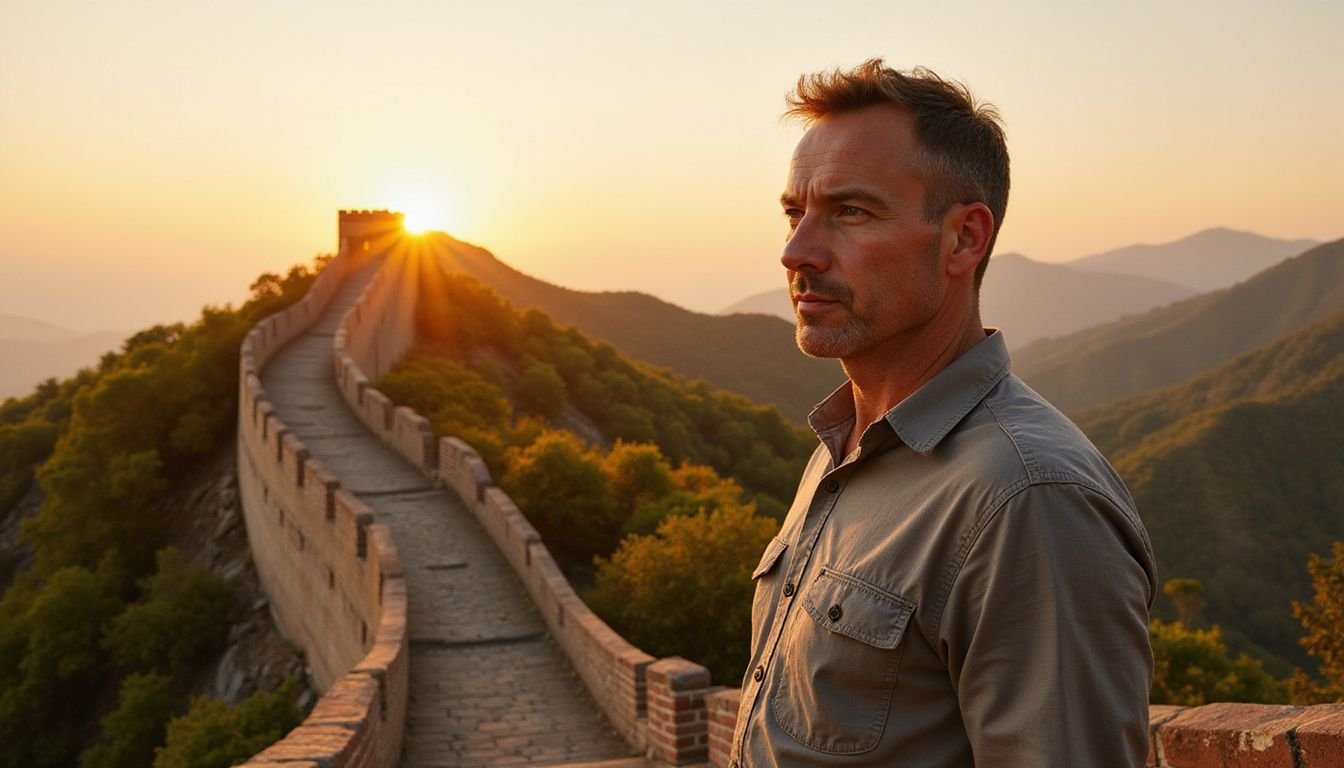
You’ll find yourself standing before one of humanity’s most incredible achievements when you visit the Great Wall of China, a massive fortification that stretches over 13,000 miles across northern China.
This ancient wonder tells the story of emperors, soldiers, and millions of workers who built this defensive masterpiece over centuries to protect their homeland from invading forces.
The story behind the Great Wall of China.
The Great Wall of China began as separate defensive walls built by different kingdoms over 3,000 years ago. These early barriers protected northern China from nomadic invaders who threatened settled communities.
Qin Shi Huang, the first Emperor of unified China, connected these existing walls around 220 B.C.E. to create one massive fortification system. His vision transformed scattered defenses into a unified barrier that stretched across the empire’s northern border.
Major improvements came during the Ming Dynasty between the 14th and 17th centuries. Engineers used stronger materials and added over 20,000 watchtowers to create the structure you see today.
The wall reached its final form in 1644, stretching an impressive 13,170 miles when all sections are included. This famous landmark lost its defensive importance after the 17th century due to Manchu expansion, but it remains a powerful symbol of Chinese culture and identity that attracts millions of visitors annually.
Key sections to explore for a memorable experience. Jinshanling section in Hebei Province offers you scenic views and preserved architecture that makes your visit unforgettable. This area attracts fewer crowds, giving you space to appreciate the wall’s beauty without fighting through tourist masses.
Mutianyu section near Beijing features a cable car for easy access, perfect if you prefer comfort over challenging hikes. Spring and fall provide the best seasons to visit due to comfortable weather conditions that make walking enjoyable.
Ming dynasty sections stretch about 5,500 miles long and remain the most visited parts of this famous landmark. Mutianyu features restored walls and platforms created for visitor safety and comfort.
Jinshanling and other sections offer hiking opportunities for adventure seekers who want to explore beyond the typical tourist experience. More than 10 million tourists visit the Great Wall annually, but selecting the right section helps you avoid overwhelming crowds and creates lasting memories of this UNESCO World Heritage Site.
Timeless Beauty: Taj Mahal, Agra, India

The Taj Mahal stands as one of the world’s most breathtaking UNESCO World Heritage Sites, where Emperor Shah Jahan created this marble masterpiece as an eternal tribute to his beloved wife Mumtaz Mahal.
You’ll see pure architectural poetry along the Yamuna River, where this ivory-white mausoleum captures hearts with its perfect symmetry and detailed craftsmanship that rivals any famous landmark across the globe.
The romantic history of the Taj Mahal.
You’ll find one of history’s greatest love stories carved in white marble along the banks of the Yamuna River. Mughal Emperor Shah Jahan built this magnificent mausoleum between 1632 and 1653 for his beloved wife, Mumtaz Mahal, who died during childbirth.
His grief ran so deep that it aged him rapidly, transforming a powerful ruler into a heartbroken widower who poured his sorrow into creating an eternal monument to love. More than 20,000 workers and 1,000+ elephants labored to bring his vision to life, crafting what many consider the world’s most beautiful building.
Shah Jahan designed every detail of the Taj Mahal to honor his wife’s memory and symbolize their eternal bond. The main gate represents a veil, much like a bride wears in Indian culture, while the central dome soars 35 meters (115 feet) high with four minarets standing at 40 meters (130 feet) each.
This UNESCO World Heritage Site showcases stunning Indo-Islamic architecture with detailed marble inlay work that tells their love story in stone. Today, over 8 million visitors per year come to witness this monument to eternal love and peace, making it a global symbol that transcends cultures and generations.
Planning your visit to this UNESCO World Heritage Site.
Book your tickets online in advance to skip the long queues at this UNESCO World Heritage Site. The Taj Mahal receives around 8 million visitors annually, making advance reservations essential for a smooth experience.
Train access from New Delhi takes up to 3 hours, so plan your transportation early. The 42-acre complex includes a mosque and gardens that need ample time for exploration.
Visit during sunrise for the most magical experience and fewer crowds. Early morning hours offer cooler temperatures and better photo opportunities before the summer heat intensifies.
The site becomes busiest during summer months, so timing matters for comfort. Security checks take extra time, so arrive at least 30 minutes before your scheduled entry. The story of an unbuilt black Taj Mahal adds interest to your visit, while the towers’ earthquake-safe design shows excellent architectural planning that real estate professionals can appreciate.
Mystical Marvel: Machu Picchu, Peru

High in the Andes Mountains sits Peru’s most mysterious ancient city, where Inca ruins tell stories that still puzzle archaeologists today. You’ll find yourself walking through stone terraces and temples that have survived centuries of weather and time, making Machu Picchu one of the world’s most breathtaking UNESCO World Heritage sites.
Discovering the lost city of the Incas.
**Discovering the Lost City of the Incas**
Machu Picchu remained hidden from the world for nearly 400 years until American historian Hiram Bingham rediscovered it in 1911. This ancient citadel sits at 2,400 meters elevation in the Andes Mountains, where Inca emperor Pachacuti ordered its construction in the 15th century.
The site features over 200 structures, including temples, terraces, and plazas that showcase the incredible engineering skills of the Inca civilization. More than 600 terraces cover the mountainside, and some stones weigh over 50 tons, yet they fit together perfectly without mortar.
Today, this UNESCO World Heritage Site attracts about 1.5 million visitors annually who come to witness one of the New Seven Wonders of the World. Archaeologists still debate whether this lost city served as a royal estate or religious site for the ancient civilization.
The mystery surrounding its original purpose adds to the intrigue that draws travelers from around the globe. Planning your visit requires consideration of the best routes and timing to make the most of this extraordinary experience.
Essential trekking tips for the journey.
You need permits booked 6-8 months ahead for the Classic Inca Trail, which spans 26 miles through challenging terrain. Physical prep focusing on cardio and strength training will help you tackle the demanding hike to this famous landmark.
Pack sturdy hiking boots, layered clothing for changing weather, and water purification tablets for safe drinking. The dry season from May to September offers the best trekking conditions, with clear skies and minimal rainfall making your journey to this UNESCO World Heritage Site more enjoyable.
Local guides provide cultural insights and safety support that are valuable on routes like the Salkantay and Lares treks. Spend time in Aguas Calientes for proper acclimatization before attempting the ascent to Machu Picchu.
Book your entrance tickets and Huayna Picchu climbing permits well in advance, as these iconic landmarks have strict visitor limits. Train your body for weeks before departure, building endurance through regular hiking and stair climbing exercises.
Christ the Redeemer stands as another breathtaking destination to explore after your Inca Trail adventure.
Architectural Masterpiece: Sydney Opera House

The Sydney Opera House stands as one of the most recognizable buildings on Earth, with its white shell-shaped roof creating a stunning silhouette against Sydney Harbour. You’ll find this architectural marvel hosts over 1,500 performances each year, from world-class opera to contemporary concerts, making it a cultural hub that draws millions of visitors who come to experience both its visual beauty and artistic offerings.
The unique design and cultural importance of the Opera House.
Danish architect Jørn Utzon created one of the world’s most recognizable structures when he designed the Sydney Opera House. Construction lasted from 1959 to 1973, bringing to life a building that defies traditional architectural norms.
Over 1 million tiles form the distinctive shell shapes that make up its roof, creating an appearance that resembles billowing sails against Sydney Harbour. This UNESCO World Heritage Site since 2007 represents innovative 20th-century architecture and engineering that continues to inspire architects and real estate professionals worldwide.
Cultural significance extends far beyond its striking appearance, as this iconic landmark attracts over 8 million visitors annually and appears on the Australian $100 note. You’ll find this architectural masterpiece serves as a symbol of Australia’s cultural identity and modern expressionism.
Real estate investors often study its impact on surrounding property values, while agents highlight its proximity when marketing luxury waterfront properties. Located at the edge of Sydney Harbour, the Opera House provides iconic views that have influenced countless residential developments and commercial projects throughout the region.
Events and performances to look out for.
The Sydney Opera House transforms from an architectural marvel into a living, breathing cultural powerhouse through its incredible lineup of shows. You’ll find over 1,800 performances happening annually across multiple venues, with more than 1.4 million people attending events each year.
Opera Australia delivers world-class productions that showcase both classic and contemporary works, while the Sydney Theatre Company presents innovative dramatic performances that captivate audiences.
The Sydney Symphony Orchestra fills the concert halls with magnificent sounds, creating unforgettable musical experiences for visitors and locals alike.
Your calendar should include the 40+ weekly shows that span everything from intimate chamber music to grand opera spectacles. Historic performances have featured global figures like Nelson Mandela, proving this venue attracts the world’s most prestigious events.
Guided tours offer backstage access where you can see behind the scenes of these incredible productions, while multiple dining options provide harbor views perfect for pre-show meals.
The venue hosts concerts, theater productions, and public events that cater to every taste, making each visit a unique cultural adventure.
America’s Icon: Statue of Liberty, New York City

The Statue of Liberty stands tall as America’s most recognizable symbol, welcoming millions of visitors to New York Harbor each year with her torch held high. You can climb 354 steps to reach Lady Liberty’s crown for excellent views of Manhattan’s skyline, or take the ferry to Liberty Island to explore the museum that presents her fascinating story of freedom and democracy.
A symbol of freedom and democracy.
Lady Liberty stands as America’s most powerful symbol of freedom and democracy. President Grover Cleveland dedicated this iconic landmark on October 28, 1886, marking a historic moment for the nation.
Frédéric Auguste Bartholdi designed this masterpiece as a gift from France to the United States, representing the friendship between two democratic nations. The statue weighs over 225 tons and reaches 92 meters (305 feet) tall, including the pedestal.
You can see democracy’s values reflected in every detail of this famous landmark. Seven rays crown the statue’s head, symbolizing the seven continents where freedom should shine. France shipped this UNESCO World Heritage Site in 350 pieces, showing international cooperation.
The National Park Service has managed this tourist attraction since 1933, after it became a National Monument in 1924. Visitors from around the world come to see this symbol of liberty enlightening the world, making it one of the most visited historical landmarks in America.
How to access the crown and other attractions.
You need to purchase ferry tickets in advance from Statue City Cruises, the only authorized ticket seller. General Admission tickets let you visit the islands and museums, but they won’t get you inside the statue of liberty itself.
Pedestal access tickets give you an observation balcony with panoramic views of New York Harbor. Crown access tickets are extremely limited and require early reservations since only a few people can climb up each day.
Crown access means climbing 162 stairs with no elevator option, making it strenuous for visitors. Security screening happens before you board ferries from Battery Park, so plan extra time for this process.
The climb to the crown isn’t recommended if you have mobility issues or health concerns. Pedestal access provides a great option, offering spectacular views without the challenging stair climb.
The great pyramid of giza and other famous landmarks around the world offer similar tiered access systems, but the statue of liberty’s crown remains one of the most exclusive experiences among iconic landmarks.
Ancient Majesty: The Great Pyramid of Giza, Egypt

The Great Pyramid of Giza stands as the last surviving wonder from the seven wonders of the ancient world, and you’ll find yourself face-to-face with 4,500 years of Egyptian engineering genius.
This massive limestone structure rises 481 feet into the desert sky, and it’s packed with mysteries that archaeologists still can’t fully explain — from hidden chambers to precise astronomical alignments that’ll blow your mind.
The mystery and history of the Great Pyramid.
Built around 2550 B.C. for Pharaoh Khufu, the Great Pyramid of Giza stands as one of history’s most puzzling achievements. You’re looking at a structure that originally reached 146 meters high, making it the world’s tallest building for over 3,800 years.
Ancient engineers used more than 2 million limestone and granite blocks, each weighing up to 15 tons. This massive construction project required precise planning and advanced knowledge that still amazes experts today.
Pharaoh Khufu’s tomb represents the only surviving wonder from the seven wonders of the ancient world. Three generations of pharaohs, Khufu, Khafre, and Menkaure, built their pyramids at this site over decades.
Each pyramid aligns perfectly with cardinal directions, showing the builders possessed sophisticated understanding of astronomy and mathematics. UNESCO recognized this historical landmark as a World Heritage Site in 1979, protecting these ancient treasures for future generations.
Erosion has reduced the pyramid’s height slightly over 4,500 years, but its mystery continues to captivate millions of visitors who come to witness this architectural masterpiece.
Tips for exploring the Giza Plateau.
After learning about the ancient mysteries, you’ll want to plan your actual visit to make the most of this incredible site. The Giza Plateau covers a vast area with multiple archaeological treasures waiting for your exploration.
Book your tours in advance to avoid scams that target unprepared visitors. Use ride-sharing services for convenient access to the plateau, as they offer reliable transportation to this remote location.
Visit during May or June for the best weather conditions, with June 21 providing unique sunset views during the summer solstice. The Dream Stela between the Sphinx’s paws offers fascinating historical insights you shouldn’t miss.
Explore the double mastaba of Meresankh III, a notable tomb that adds depth to your Great Pyramid of Giza experience. Combine your visit with the Sphinx and adjacent tombs for a better understanding of this UNESCO World Heritage Site.
Mediterranean Charm: The Colosseum, Rome

The Colosseum stands as Rome’s most recognizable symbol, where ancient gladiators once battled for their lives in front of 50,000 roaring spectators. You can almost hear the echoes of the crowd as you walk through this massive amphitheater, feeling the weight of 2,000 years of history beneath your feet.
Glimpse into the gladiatorial past of the Colosseum.
You step into one of history’s most brutal entertainment venues when you visit this famous landmark. Emperor Vespasian opened the arena in A.D. 80, launching inaugural games that lasted 100 days and showcased the empire’s power through blood sport.
Gladiators fought to the death while crowds of 50,000 to 80,000 spectators cheered from tiered seating that rose high above the arena floor. Animal hunts brought exotic beasts from across the empire, creating spectacles that mixed danger with exotic displays of Roman reach.
Mock naval battles flooded the arena floor, turning the space into a temporary sea where warriors recreated famous maritime conflicts. Special tours through Liv Tours now provide access to the arena floor, allowing you to stand where gladiators once faced their final moments.
This iconic landmark draws about 12 million visitors annually, making it one of Italy’s most popular tourist attractions. The structure reflects both the grandeur and brutality that defined Roman entertainment culture nearly 2,000 years ago.
Visitor tips for avoiding crowds.
The gladiatorial battles that once echoed through the Colosseum still draw massive crowds today, making smart planning essential for your visit. You can beat the tourist rush by arriving at 8:30 AM when the gates open, giving you first access to this iconic landmark before tour groups arrive.
Reserve your tickets online exactly 30 days in advance when they become available, as this UNESCO World Heritage Site sells out quickly during peak season.
Skip-the-line options and guided tours provide access to restricted underground areas and upper tiers that regular tickets don’t include. Alternative entrances through Palatine Hill or the Roman Forum often have shorter wait times than the main Colosseum entrance.
Summer nighttime tours offer a unique experience with dramatically fewer visitors and cooler temperatures. Plan your visit during spring or fall shoulder seasons to avoid the heaviest crowds that pack this famous landmark during summer months and weekends.
Check the official website for special exhibitions or events that might coincide with your travel dates, as these can affect crowd levels significantly.
Natural Wonders: Grand Canyon, Arizona

The Grand Canyon stands as one of America’s most breathtaking natural wonders, carved by the Colorado River over millions of years into layers of red rock that tell Earth’s ancient story.
You’ll find yourself standing at the edge of this massive chasm in Arizona, where every viewpoint offers a different perspective of the colorful rock formations that stretch as far as your eyes can see.
A geological masterpiece carved by nature.
The Grand Canyon stands as nature’s most impressive artwork, carved by the Colorado River over approximately 5 million years. This UNESCO World Heritage Site stretches 277 miles long and plunges up to 1 mile deep, covering about 2,000 square miles of Arizona landscape.
You’ll witness three distinct rock layers: metamorphic basement rocks, Grand Canyon Supergroup, and Paleozoic strata. Scientists have discovered the oldest rocks date back 1.7 billion years, making this natural wonder a living geology textbook.
About 6 million visitors explore this famous landmark each year, making it the second most visited U.S. national park. Fossils like trilobites and brachiopods lie embedded within the canyon walls, telling stories of ancient seas that once covered this region.
Each layer reveals different chapters of Earth’s history, creating a visual timeline that spans billions of years. You can trace the geological evolution of our planet simply by looking at the colorful rock formations that tower above and below you.
Best viewpoints and hiking trails.
**Best Viewpoints and Hiking Trails**
Mather Point offers spectacular sunrise views that make early morning visits worthwhile for capturing stunning photographs. South Rim stays open year-round, giving you consistent access to breathtaking vistas, while North Rim may close during wildfire seasons.
For serious hikers, Widforss Point Trail spans 10 miles round-trip and showcases views of Brahma, Deva, and Zoroaster Temples. Hermit Trail challenges adventurous visitors with its 15.4-mile round-trip journey, descending 3,800 feet into the canyon’s depths.
Grandview Trail provides two excellent options: Coconino Saddle at 2.2 miles round trip for beginners, or Horseshoe Mesa at 6.4 miles round trip for intermediate hikers. Sunshine Route stretches 61 miles to Toroweap Overlook, where you’ll experience a dramatic 3,000-foot drop to the river below.
Backcountry permits are essential for overnight adventures and are available through the National Park Service. Bright Angel Lodge on South Rim and Grand Canyon Lodge on North Rim offer convenient accommodation options for extended stays near these natural wonders.
Sacred Splendor: Christ the Redeemer, Rio de Janeiro

Christ the Redeemer stands tall on Corcovado Mountain, watching over Rio de Janeiro like a protective guardian made of soapstone and concrete. You’ll see this Art Deco masterpiece offers stunning views of the city below, where Copacabana Beach meets the active streets filled with samba rhythms and carnival energy.
The spiritual and cultural significance of the statue.
Christ the Redeemer stands as Brazil’s most powerful religious symbol, representing the deep Catholic faith that shapes the nation’s identity. Completed in 1931, this Art Deco masterpiece designed by Paul Landowski towers 98 feet tall with arms spanning 92 feet, creating a welcoming embrace visible across Rio de Janeiro.
The statue’s outstretched arms symbolize Christ’s sacrificial love and offer protection to all who gaze upon it. Brazilian Catholics view this famous landmark as a beacon of hope, love, and divine protection that watches over their city from 2,310 feet above sea level.
The monument serves both religious pilgrims and cultural tourists who seek spiritual reflection at this UNESCO World Heritage Site. Catholic masses take place regularly in the chapel housed within the pedestal, drawing faithful visitors from around the world.
The statue’s cultural impact extends beyond religious boundaries, as it represents Brazilian identity and national pride on the global stage. Recognized as one of the New Seven Wonders of the World since 1997, this iconic landmark attracts millions of visitors annually who come to experience its profound spiritual energy and breathtaking views of the surrounding landscape.
How to reach the top of Corcovado Mountain.
You have four primary methods to reach Christ the Redeemer atop Corcovado Mountain. Guided tours include round-trip transportation, entry, and a guide, making them more expensive but efficient for your visit.
Minibus service offers an affordable and convenient option, though these vehicles often get crowded during peak hours. The tram departs every 30 minutes from Trem do Corcovado station, and advance tickets are recommended to secure your spot.
Hiking starts at Parque Lage and is classified as easy, but safety concerns exist along the trail. Early morning visits work best for avoiding crowds and capturing perfect photographs of this famous landmark.
Weather conditions can affect visibility at the summit, so check forecasts before your trip. Travel agencies often provide hotel pickup and package deals that combine transportation with other tourist attractions in Rio de Janeiro.
Planning Your Landmark Adventures

You need smart planning when visiting multiple famous landmarks around the world. Start by picking destinations that match your travel style and budget, then book flights early to save money on your landmark trips.
Best travel tips for visiting multiple landmarks.
Planning trips to multiple famous landmarks requires smart preparation and strategic thinking. Focus on three core travel components: hotels, restaurants, and activities for a well-rounded trip.
Select accommodations based on proximity to landmarks for convenience, which saves time and transportation costs. Book hotels near the Eiffel Tower in Paris or close to the Great Wall of China sections to maximize your sightseeing hours.
Secure your luggage while traveling between multiple landmarks to protect valuables and important documents. Choose dining experiences that reflect local culture, like sampling authentic pasta near the Colosseum in Rome or enjoying fresh seafood close to the Sydney Opera House.
Plan for transportation between landmarks, considering time and distance factors that affect your itinerary. Early or late visits to museums help avoid crowds and provide a more intimate experience at places like the Taj Mahal or Machu Picchu.
Prioritize engaging activities and attractions to enrich your travels beyond just taking photos. Consider less-visited sites for unique experiences beyond major landmarks, such as exploring smaller temples near Angkor Wat or visiting local markets around Christ the Redeemer.
Create flexible schedules that allow extra time at UNESCO World Heritage Sites you find most interesting. Pack light but include essential items like comfortable walking shoes for sites like the Great Pyramid of Giza and weather-appropriate clothing for different climates.
How to prioritize famous landmarks based on your interests.
After mastering the art of visiting multiple landmarks efficiently, the next step focuses on creating a personalized priority list that matches what excites you most. Your interests serve as the guide that shows which famous landmarks deserve the top spots on your travel bucket list.
Start by identifying whether history, architecture, or natural wonders spark your curiosity most. History enthusiasts should place the Great Wall of China, Machu Picchu, and the Great Pyramid of Giza at the top of their lists since these UNESCO World Heritage Sites offer deep cultural heritage experiences.
Architecture fans will find the Eiffel Tower, Sydney Opera House, and Sagrada Família irresistible, as each represents groundbreaking design achievements. Nature lovers should prioritize natural wonders like the Grand Canyon, Mount Fuji, and Victoria Falls for amazing geological masterpieces.
Group research helps validate choices while travel forums provide insider information about seasonal access and special events that might influence timing. Consider accessibility factors and travel time between destinations to maximize your landmark adventures while staying within budget and schedule constraints.
Conclusion

These famous landmarks showcase human creativity and natural beauty across centuries. Each site gives you a chance to connect with history, culture, and the dreams of countless travelers who visited before you.
Reflecting on the cultural and historical importance of landmarks.
Famous landmarks serve as powerful symbols that connect you to humanity’s greatest achievements and shared heritage. Structures like the Great Pyramid of Giza and the Taj Mahal showcase engineering brilliance that spans thousands of years, while the Eiffel Tower and Sydney Opera House represent modern artistic vision.
These iconic landmarks tell stories of civilizations, love, faith, and human determination. The Great Wall of China reflects centuries of protection and unity, while Machu Picchu reveals the sophisticated knowledge of ancient Incas.
Christ the Redeemer stands as a beacon of spiritual significance, and the Statue of Liberty embodies freedom and democracy.
Cultural heritage sites like Angkor Wat and the Colosseum offer glimpses into past societies that shaped our modern world. Visiting these UNESCO World Heritage Sites helps you understand different cultures, architectural styles, and historical events that influenced global development.
The preservation of landmarks like Hagia Sophia, the Acropolis, and Chichen Itza ensures future generations can learn from these magnificent structures. Each monument represents unique artistic expressions and cultural identity that transcend borders and time periods.
Natural wonders such as the Grand Canyon and Victoria Falls remind you of Earth’s geological history and the importance of environmental conservation alongside human-made marvels.
Inspiring readers to explore the world’s most iconic sites.
You hold the power to transform your perspective on travel and cultural heritage through visiting these 32 iconic landmarks across six continents. These famous landmarks draw millions of visitors annually, offering you experiences that span from the ancient majesty of the Great Pyramid of Giza to the modern architectural brilliance of the Sydney Opera House.
Each UNESCO World Heritage Site tells a unique story that connects you to humanity’s shared history, whether you’re standing before the Taj Mahal on the banks of the Yamuna River or exploring the mystical ruins of Machu Picchu high in the Andes Mountains.
Your travel adventures become more meaningful through ethical tourism practices that respect local cultures, especially at sacred sites like Uluru and the Jokhang Temple Monastery in Lhasa.
The Great Wall of China stretches across northern landscapes, while Angkor Wat shows the architectural genius of the Khmer Empire in Siem Reap. You can improve your visits through unique experiences like night illumination shows at the Eiffel Tower or sunrise views from Christ the Redeemer atop Corcovado Mountain.
These natural wonders and historical landmarks offer you opportunities to create lasting memories while gaining deeper appreciation for our planet’s diverse cultural heritage and architectural achievements.
FAQs
1. What makes the Eiffel Tower one of the most famous landmarks in the world?
The Eiffel Tower stands as an iconic landmark because of its unique iron design and role as Paris’s symbol. This towering structure attracts millions of visitors yearly, making it a top tourist attraction. Pop culture has featured this landmark in countless movies, cementing its global recognition.
2. Which UNESCO World Heritage Sites should every traveler visit?
Machu Picchu, Angkor Wat, and the Great Wall of China top most travel lists for good reason. These historical landmarks showcase incredible cultural heritage and ancient architecture. The Taj Mahal along the Yamuna River also ranks among the seven wonders, offering breathtaking views.
3. How do natural wonders compare to man-made famous landmarks?
Natural wonders like Mount Everest, Victoria Falls, and the Great Barrier Reef showcase Earth’s raw beauty. Man-made structures such as Christ the Redeemer and the Sydney Opera House display human creativity. Both types offer unique experiences, with Ha Long Bay and Table Mountain providing stunning photo opportunities.
4. What travel tips help visitors explore iconic landmarks effectively?
Book tickets early for popular sites like the Leaning Tower of Pisa and Big Ben. Visit during off-peak seasons to avoid crowds at places like Chichén Itzá and Easter Island. Research local customs before exploring temples like Wat Phra Kaew in the Grand Palace complex.
5. Which landmarks showcase the best examples of ancient architecture?
Angkor Wat temple displays magnificent Khmer architecture that still amazes visitors today. The Great Pyramid of Giza represents one of the seven wonders of the ancient world. El Castillo at Chichén Itzá demonstrates advanced Mayan engineering skills.
6. How do modern landmarks like the Golden Gate Bridge compete with historical sites?
Modern structures bring fresh perspectives to the landmark scene, with the Sydney Opera House becoming instantly recognizable worldwide. These newer tourist attractions often appear in social media posts more than ancient sites. However, places like the Potala Palace and Hagia Sophia maintain their cultural significance through centuries of history.
References
- https://travel.usnews.com/gallery/the-most-famous-landmarks-in-the-world
- https://www.kids-world-travel-guide.com/top-10-famous-landmarks.html
- https://www.britannica.com/topic/Eiffel-Tower-Paris-France (2025-12-22)
- https://education.nationalgeographic.org/resource/great-wall-china/ (2023-10-19)
- https://www.tajmahal.gov.in/taj-story.aspx
- https://likuyani.cdf.go.ke/browse/7P8060/default.aspx/TheLostCityOfTheIncas.pdf
- https://www.machupicchu.org/top-5-trekking-to-machu-picchu-ultimate-guide.htm
- https://en.wikipedia.org/wiki/Sydney_Opera_House
- https://www.sydneyoperahouse.com/our-story
- https://www.nps.gov/stli/index.htm
- https://www.nps.gov/stli/planyourvisit/index.htm
- https://smarthistory.org/the-great-pyramids-of-giza/
- https://www.nationalgeographic.com/travel/article/cairo-explorer-guide-giza-plateau-pyramids (2018-05-29)
- https://www.britannica.com/topic/Colosseum (2025-12-16)
- https://onegirlwholeworld.com/europe/colosseum-visit-tour-tips-rome/ (2025-06-27)
- https://www.usgs.gov/geology-and-ecology-of-national-parks/geology-grand-canyon-national-park
- https://www.nationalgeographic.com/adventure/article/grand-canyon-arizona (2010-08-19)
- https://www.machupicchu.org/christ-redeemer-cultural-significance-complete-guide.htm (2025-09-10)
- https://whatamysays.com/how-to-visit-christ-the-redeemer-in-rio-brazil-four-ways/
- https://www.tripadvisor.com/Articles-lwpV4XMa4n4k-Quickfire_guide_to_iconic_landmarks.html (2025-10-28)
- https://www.readwritethink.org/classroom-resources/lesson-plans/looking-landmarks-using-picture
- https://www.memphistours.com/blog/famous-landmarks-in-the-world
- https://www.worldpackers.com/articles/iconic-places