


You want to sell your home fast, but hosting an open house feels risky. Strangers walk through your personal space, touching your belongings and seeing your private areas. You worry about theft, identity theft, or worse.

Your mind races with questions: What if someone steals family heirlooms? What if visitors take photos of personal documents? What if prescription medications go missing?
Recent data shows that 23% of home sellers experience some form of property loss during open houses, from missing jewelry to stolen personal information. Most sellers don’t realize that simple preparation can prevent these problems.
Smart planning protects belongings while creating a stress-free experience for everyone involved.
This guide walks through a complete open house safety plan that covers every step from initial preparation to post-event cleanup. Learn how to secure valuables, work with real estate agents, use technology for visitor tracking, and create boundaries that keep personal information safe.
The strategies work for first-time sellers and experienced property investors alike.
Your peace of mind matters more than any sale.
Key Takeaways
- Recent data shows 23% of home sellers experience property loss during open houses, making security planning essential.
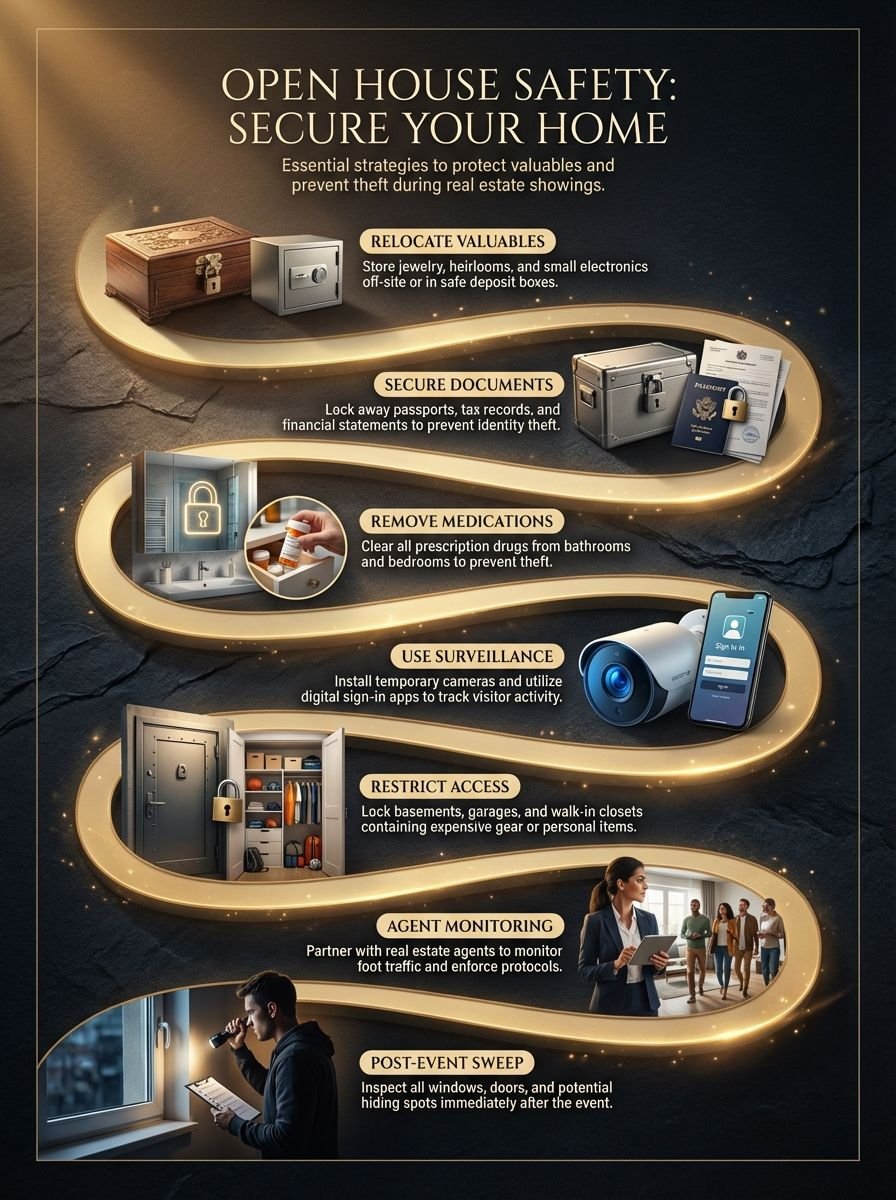
- Remove valuables, jewelry, prescription medications, and financial documents before visitors arrive to prevent theft and identity theft.
- Work with your real estate agent to monitor visitors, limit access to private areas, and track everyone entering.
- Install temporary surveillance cameras and use digital sign-in apps to create accountability and monitor all open house activity.
- Conduct a thorough final check after the event to secure locks, reset security systems, and confirm valuables remain safe.
Open House Safety Plan: Protect Valuables and Keep It Stress-Free
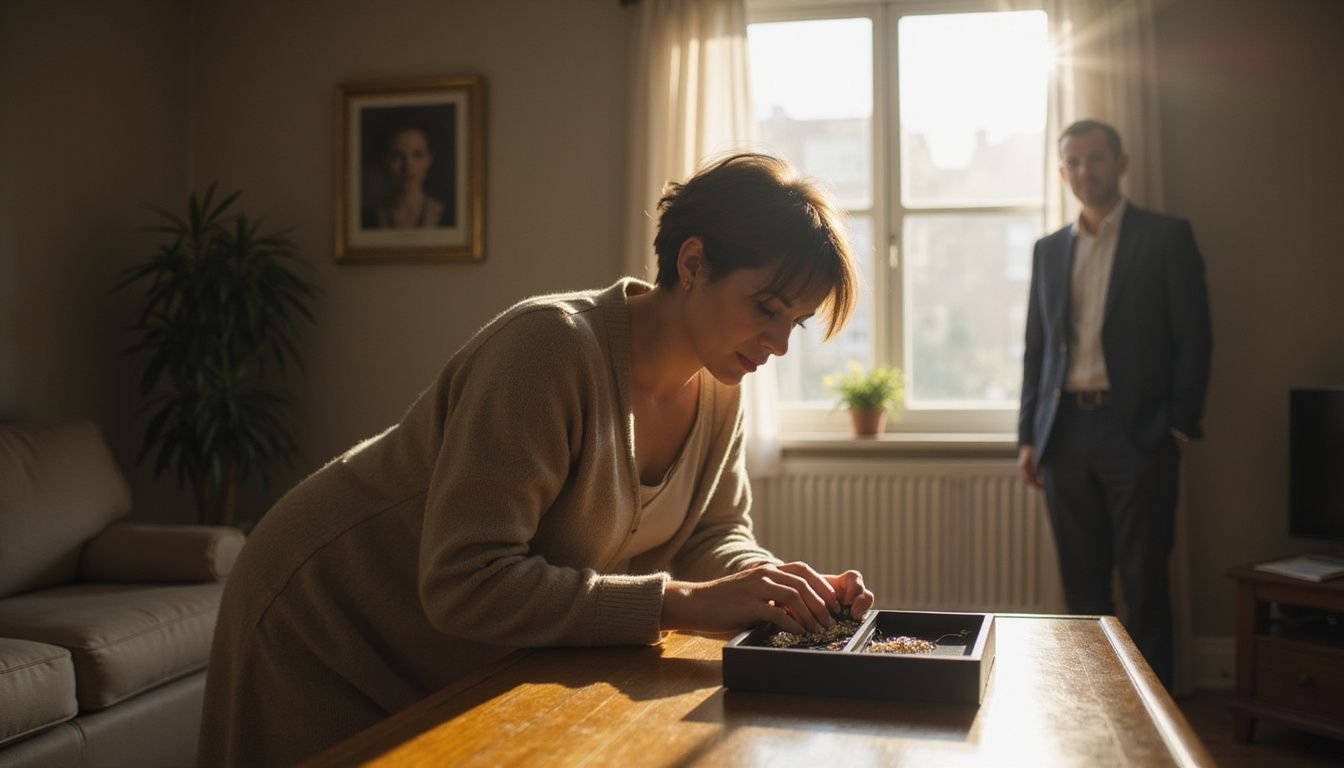
Hosting an open house brings multiple strangers into personal spaces, creating risks for theft and damage to belongings. Smart sellers develop a comprehensive open house safety plan that protects valuables while maintaining an inviting atmosphere for potential buyers.
This approach reduces stress and allows focus on showcasing the property’s best features. A well-executed safety strategy involves removing precious items, securing sensitive documents like financial statements, and limiting access to private areas of the home.
A secure environment allows sellers to focus on showcasing their homes confidently, which creates better outcomes for everyone involved, says Chief Editor Jay Hernandez, a licensed real estate broker with over 15 years of experience.
Property security measures work best when combined with visitor tracking and collaboration with a trusted real estate agent. Professional agents help monitor foot traffic and oversee guests during the event.
This buddy system approach provides peace of mind while encouraging buyers to explore comfortably. Prescription medications, personal information, and valuable electronics need special attention during the planning phase.
Taking these precautions transforms a potentially nerve-wracking experience into a smooth, professional presentation of the home.
Remove or Secure Valuables Before the Event
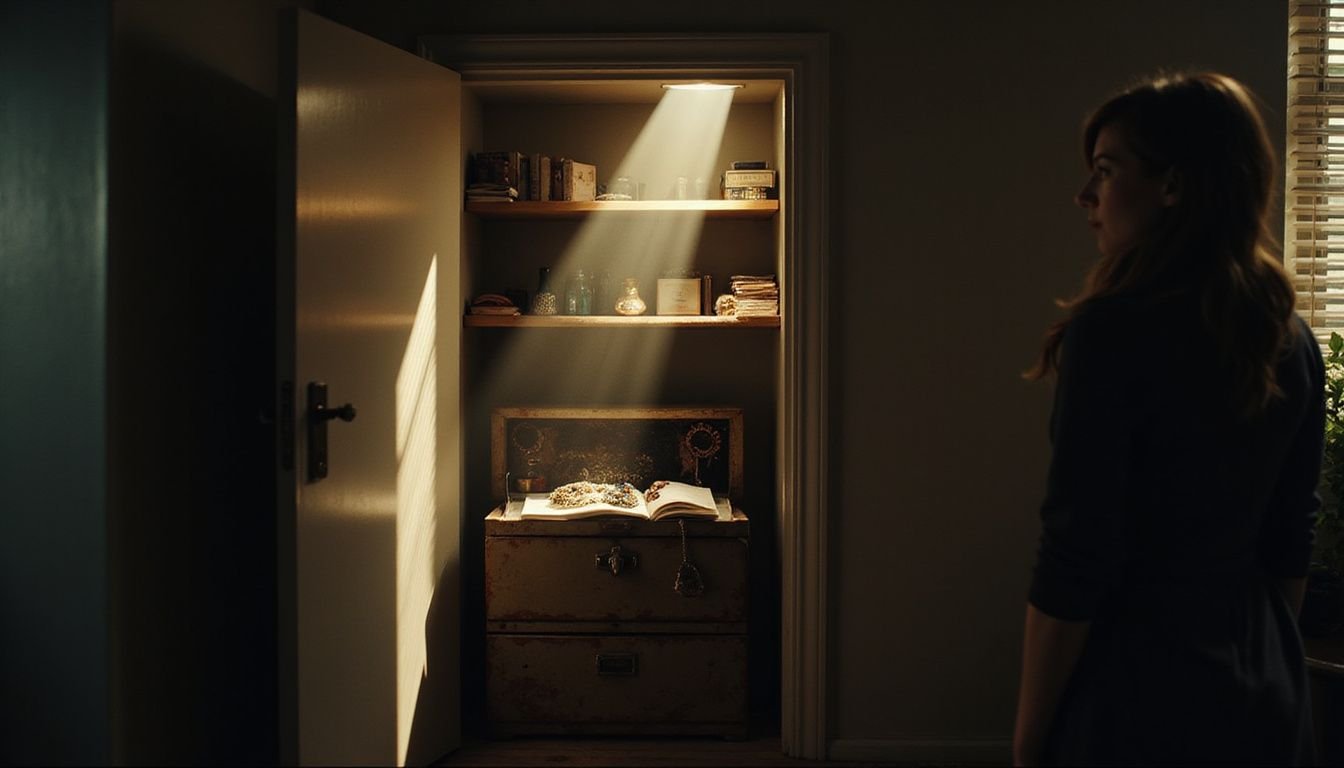
Protect belongings during your open house by removing or securing valuable items before visitors arrive. Smart preparation prevents theft and keeps your personal information safe from strangers walking through your home.
- Transport jewelry, family heirlooms, and collectibles to a friend’s house or family member’s home before hosting an open house.
- Store electronics like tablets, phones, and laptops in a safety deposit box or secure off-site location to prevent theft.
- Lock important documents including passports, tax records, and financial statements in a small safe or lockable cabinet.
- Remove prescription medications from all bathrooms and bedrooms, placing them in a secure location away from the property.
- Secure technology items such as hard drives and spare devices in a lockbox stored in an inconspicuous closet area.
- Clear checkbooks, social security cards, and spare keys from visible areas the night before the open house event.
- Consider renting staging furniture and decor to replace personal belongings while enhancing your home’s appearance for buyers.
- Store alcohol and cigars in a locked area or remove them completely from the property during the showing.
- Place sensitive papers and identity documents in a lockable drawer hidden from visitor access during the event.
Use Surveillance or Security Measures
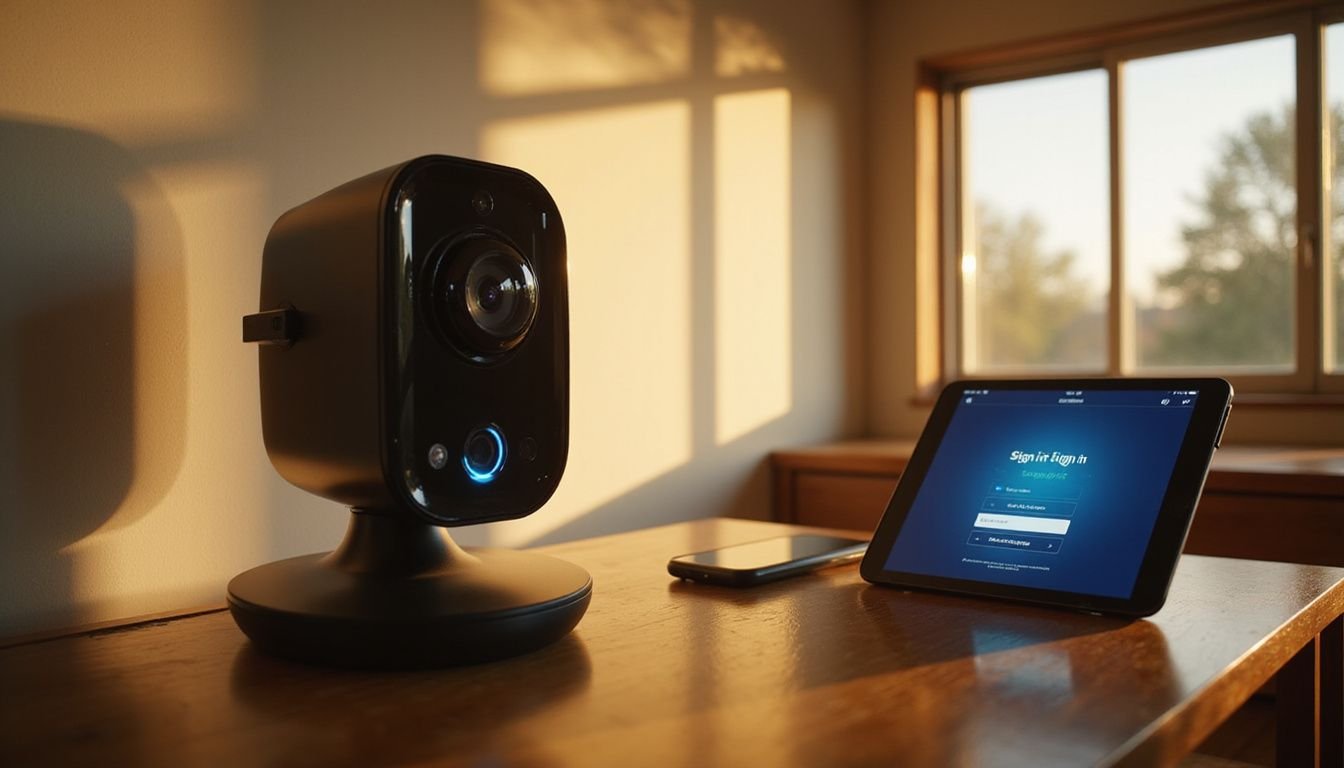
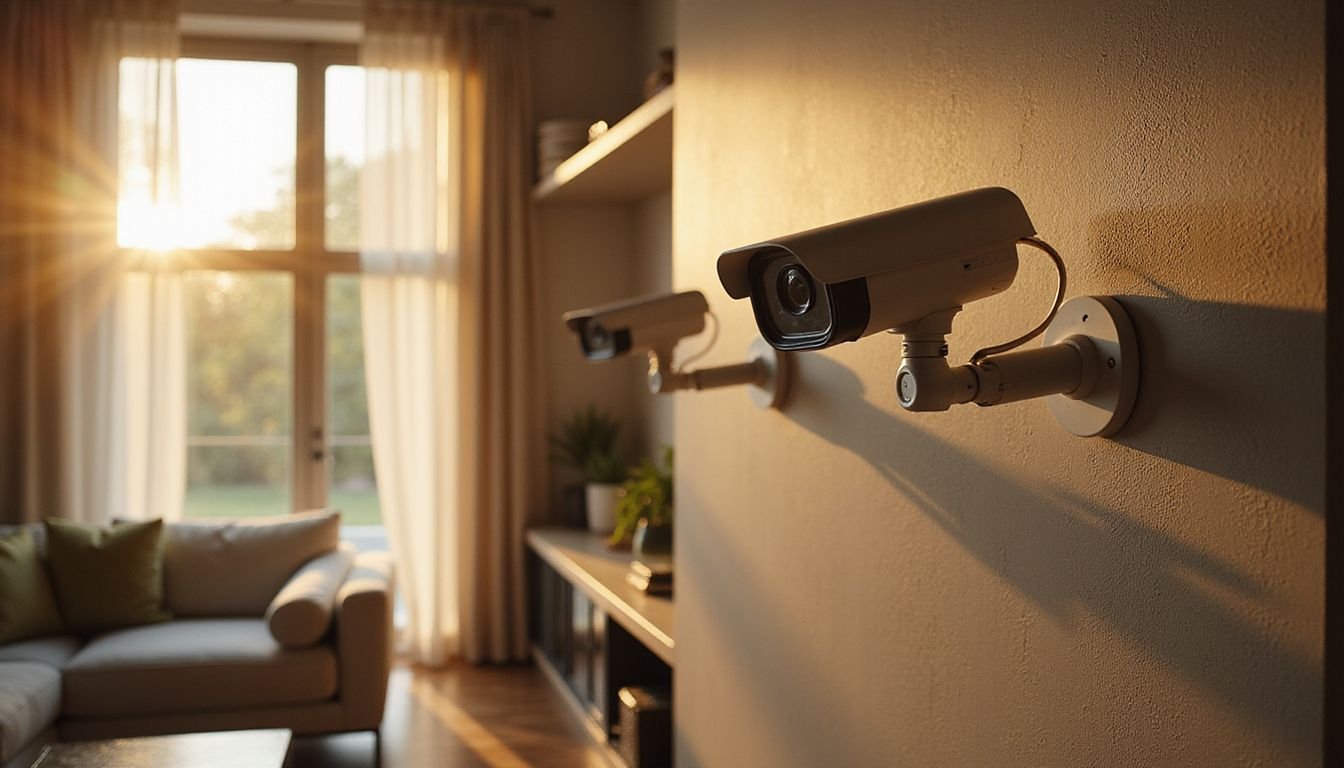
Installing temporary security measures transforms your open house into a monitored environment. Surveillance cameras and motion sensors create visual records of all activity during the event.
Existing smart home systems and doorbell cameras already provide this coverage, making them perfect tools for visitor tracking. Place temporary cameras in common areas like living rooms and hallways.
Set alerts for unusual activity to stay informed about what happens in your space.
Digital sign-in apps require visitors to provide identification before entering your home. This visitor tracking system creates accountability and helps with identity theft prevention.
Professional security guards offer additional monitoring for high-value properties or busy open house events. Your real estate agent should know about all security setups to inform potential buyers appropriately.
Local privacy laws govern surveillance camera use, so check regulations in your area before installation. Security systems may need resetting if you deactivated them for the showing.
Limit Access to Certain Areas of the Home
Smart hosting an open house means controlling where visitors can go in your home. Property security starts with setting clear boundaries that protect your belongings and personal information.
- Close off basements, garages, and storage rooms completely during your open house since these areas contain valuable items and personal documents that buyers don’t need to see.
- Lock all bedroom closets and bathroom cabinets before visitors arrive to prevent theft of prescription medications, jewelry, and financial statements that could lead to identity theft.
- Secure your home office or study area where computers, important papers, and personal schedules might be visible to strangers walking through the property.
- Block access to attics, utility rooms, and mechanical spaces that pose safety risks and contain expensive equipment like HVAC systems or water heaters.
- Keep master bedroom walk-in closets locked since they often store expensive clothing, accessories, and personal items that attract unwanted attention from visitors.
- Restrict entry to children’s bedrooms and playrooms where toys, electronics, and personal belongings create security concerns during the open house event.
- Close outdoor storage areas, sheds, and pool houses that contain lawn equipment, tools, and recreational gear worth thousands of dollars to potential thieves.
- Secure any rooms containing gun safes, wine collections, or expensive hobby equipment that could tempt visitors to return later for burglary attempts.
- Check all closets and cabinets after the open house ends to ensure they remain properly closed and locked, protecting your valuables from future security breaches.
Collaborate with Your Realtor for a Safe Strategy
Your real estate agent serves as your first line of defense during hosting an open house. Professional agents arrive early to inspect the property and check all locks before visitors arrive.
They establish safety protocols that include sign-in sheets and visitor monitoring systems to track everyone who enters your home. These measures help protect belongings while creating a professional atmosphere that serious buyers appreciate.
Smart collaboration means asking your agent about their specific open house safety procedures before the event begins. Agents guide visitors throughout the property and monitor entry and exit points during the entire showing.
They work with you to limit access to certain areas of the home, such as master bedrooms or home offices where personal information might be stored. Your real estate agent can also coordinate with trusted neighbors to monitor for unusual activities like odd parking or unauthorized entry attempts.
This buddy system approach ensures multiple sets of eyes watch your property while you focus on presenting your home in the best light possible.
Conduct a Final Check After the Open House
The open house ends, but protecting your belongings doesn’t stop there. A thorough final check prevents theft and keeps your home secure after visitors leave.
- Walk through the entire home with your real estate agent to inspect all exits and confirm everything stays locked and secured properly.
- Check every door and window throughout the house, including side entrances and patio doors, to make sure they close and lock completely.
- Reset security systems that were turned off during the open house to restore full protection for the property immediately.
- Close and secure all closets, cabinets, and outdoor storage areas that may have been opened during visitor tours.
- Store away any mail, personal documents, and displayed schedules that could lead to identity theft if left visible.
- Remove prescription medications and any embarrassing items from bathrooms that visitors might have accessed during the showing.
- Conduct a complete sweep to confirm valuables remain secured and the house maintains its clean, staged appearance for future showings.
- Check that no personal documents related to the home sale were left out where strangers could access sensitive financial information.
Conclusion
Your open house safety plan protects your most precious belongings while keeping stress levels low. Smart preparation makes all the difference between a successful showing and a security nightmare.
Work closely with your real estate agent to create visitor tracking systems and secure personal information before buyers arrive. Remember to conduct that final walkthrough after guests leave, checking every room and resetting security systems.
Following these proven strategies helps you sell your home with confidence and peace of mind.
FAQs
1. What should I do to secure valuables before hosting an open house?
Remove all personal belongings like jewelry, electronics, and financial statements from view. Store prescription medications in a locked cabinet or take them with you. Your real estate agent can help you create a checklist of items to protect during home staging.
2. How can I prevent identity theft during my open house?
Hide documents with personal information like bank statements, tax records, and mail. Lock your computer and close browsers like Google Chrome, Microsoft Edge, Apple Safari, Mozilla Firefox, and Opera. Use visitor tracking to monitor who enters your home and always verify attendee credentials.
3. What safety measures should I take for personal protection during an open house?
Never host alone; use the buddy system with your real estate agent or trusted friend. Share your location with family members and avoid giving out your property address on social media beforehand. Keep your smartphone charged for emergency communication.
4. How do I make my open house accessible for visually impaired visitors?
Ensure your home meets basic accessibility standards like WCAG 2.1 guidelines. Remove obstacles from walkways and provide good lighting for people with visual impairments. Consider how visitors using screen readers or other assistive technologies might navigate your space.
5. What should I know about homeowners insurance coverage during open houses?
Contact your insurance provider to confirm coverage during the event. Some policies may have specific requirements for open house safety and theft prevention. Document valuable items with photos before the showing in case you need to file a claim.
6. How can technology help with open house security and visitor management?
Use apps on your smartphone to track visitors and monitor your property remotely. Modern assistive technology can help accommodate guests with disabilities while maintaining security. Set up your user interface systems to log visitor information while protecting your personal data from potential theft.
References
- https://www.alabamarealtors.com/posts/2025/09/17/best-practices-for-hosting-a-safe-open-house (2025-09-17)
- https://www.mass.gov/info-details/re36r25-staying-safe-in-real-estate-best-practices-including-open-houses-and-digital-safety (2025-11-25)
- https://www.jessehershteam.com/client-articles/2024/11/15/how-to-protect-your-belongings-during-an-open-house (2024-11-15)
- https://www.sciencedirect.com/science/article/pii/S0925753523002345
- https://www.nar.realtor/safety/planning-your-safety-strategy