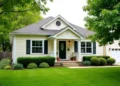




You walk through neighborhoods and notice some houses sell faster than others. You wonder why certain homes command higher prices while similar properties sit on the market for months.
The answer often lies in architectural style, a factor that quietly shapes buyer decisions and market values.
The Good Brick Awards in Houston, Texas celebrate architectural preservation efforts, recognizing styles from Tudor Revival houses to Googie-style pavilions. These awards highlight how different architectural designs impact community value and buyer interest.
Your home’s architectural style acts as a silent salesperson, attracting specific buyers and influencing your property’s worth. This guide breaks down nine key architectural styles and reveals how each one affects your home’s market position.
Discover which style gives your property the biggest advantage.
Key Takeaways
- Craftsman, Ranch, and Modern architectural styles have appreciated over 43% since 2019, making style choice critical for real estate investment decisions.
- Ranch homes increased by 44.7% since pre-pandemic levels and sell in under 50 days on average due to their practical single-story design.
- Colonial homes command a median list price of $449,900 with 38% appreciation over six years, representing nearly 50% of single-family listings.
- Victorian homes with original features command premium prices but require specialized maintenance, while Folk Victorian offers affordable charm with wide appeal.
- Googie architecture represents one of America’s rarest styles, attracting niche buyers and collectors willing to pay premiums for space-age design elements.

From Victorian to Googie: 9 Architectural Styles That Quietly Control Your Home’s Value

Your home’s architectural style shapes its market value more than most people realize. Architectural styles like Craftsman, Ranch, and Modern have appreciated over 43% since 2019, making style choice a critical factor in real estate investment decisions.
Each design carries distinct features that attract specific buyer groups and influence selling speed.
Homes that maintain their original architectural style generally command higher market prices and contribute to long-term value retention. Victorian homes with their intricate details appeal to history lovers, while midcentury modern properties draw buyers seeking clean lines and open floor plans.
Fast-selling home styles include Bungalows and Cape Cod homes, whereas Victorian and Mediterranean styles tend to sell more slowly due to higher price points. Understanding these patterns helps you make smarter buying and selling decisions in today’s competitive market.
Victorian

Victorian homes capture hearts with their ornate details and towering presence that commands attention from every passerby. These architectural gems from the 1800s pack serious punch in today’s real estate market, often selling for premium prices that make sellers smile and buyers reach deeper into their wallets.
Key features: Intricate details, steep roofs, and decorative trim
Victorian architecture captivates buyers with its elaborate ornamentation and complex design elements. These homes showcase turrets, towers, and bay windows that create visual drama on every street corner.
Steep roofs rise at sharp angles, often featuring multiple gables and dormers that add architectural interest. Decorative trim, known as “gingerbread,” adorns porches, eaves, and window frames with hand-carved wooden details.
The architectural design proves critical for achieving the complex features typical of Victorian homes, making each property a unique masterpiece.
Victorian houses are visually striking, enhancing their popularity among homeowners who appreciate historical character and craftsmanship, notes Chief Editor Jay Hernandez, drawing from his 15 years of real estate experience.
Buyers often pay premium prices for authentic Victorian features like ornate brackets, spindle work, and fish-scale shingles. The intricate details require skilled craftsmen to maintain, which can impact your renovation budget significantly.
Bay windows flood interiors with natural light while creating cozy reading nooks that modern buyers love. Preservation efforts contribute to the architectural diversity of regions like Houston, where Victorian homes command higher resale values.
Understanding Victorian architecture aids in renovations and maintaining historical aesthetics that attract discerning purchasers willing to invest in timeless elegance.
Market value impact: Timeless charm and historical appeal
These ornate features translate directly into dollars when you sell your home. Original Victorian-style homes often achieve higher market prices due to their historical significance and architectural authenticity.
Buyers pay premium prices for properties that showcase genuine period details like hand-carved woodwork, original stained glass windows, and elaborate gingerbread trim.
Your Victorian property benefits from sustained market demand across different economic cycles. Well-maintained Victorian homes can appreciate in value, especially in historic areas where preservation efforts receive community support.
Recognition of Victorian preservation efforts positively impacts market value, though maintenance and restoration needs can influence the marketability and selling time of these distinctive properties.
Victorian homes typically have a longer market duration compared to more modest styles, but patient sellers often see higher returns on their investment.
Gothic Revival
 Gothic revival architecture brings medieval drama straight to your doorstep with pointed arches that soar toward the sky and windows that tell stories through stained glass. This style transforms ordinary homes into castle-like retreats that make your neighbors wonder if they’ve stepped into a fairy tale, creating a market niche that attracts buyers seeking something far beyond the typical suburban box.
Key features: Arched windows and dramatic rooflines
Gothic revival architecture captures attention with its distinctive arched windows that create stunning visual focal points. These curved openings differ sharply from standard rectangular windows and add character that buyers notice immediately.
Dramatic rooflines soar upward with steep angles and bold silhouettes that make homes stand out in any neighborhood. The architectural style features pointed elements and vertical emphasis that draws the eye skyward.
Gothic revival homes with their signature arched windows and dramatic rooflines consistently attract buyers who appreciate unique architectural details that set properties apart from cookie-cutter designs, notes Sarah Mitchell, a licensed broker with 15 years of experience in historic home sales.
These key features contribute significantly to a home’s architectural style and overall appeal, making gothic revival properties memorable to potential buyers. The presence of arched windows and dramatic rooflines may enhance marketability and attract buyers seeking distinctive character.
Renovations that maintain or highlight these gothic architecture elements can lead to increased property value, especially when the features remain authentic to the original design.
Market value impact: Unique aesthetic for niche buyers
These distinctive arched windows and dramatic rooflines create a property that speaks to specific buyer preferences. Gothic revival style homes attract collectors who appreciate architectural history and dramatic design elements.
Your property gains value through its rarity in today’s housing market, where most buyers encounter standard contemporary designs.
Niche buyers often pay premium prices for authentic gothic revival features because these properties offer something mass-produced homes cannot match. Real estate investors recognize that unique architectural styles like gothic revival can significantly affect a property’s market value by appealing to buyers seeking character over conformity.
Collaborating with experienced architects becomes crucial for preserving these aesthetic elements that drive buyer interest and maintain investment potential in specialized market segments.
Italianate
 Italianate homes transport you straight to a romantic Italian villa with their distinctive bracketed cornices and tall, narrow windows that seem to reach for the sky. This elegant architectural style emerged in America during the 1840s and creates an immediate sense of sophistication that makes potential buyers stop and stare, often translating into higher market values for homeowners who own these distinctive properties.
Key features: Bracketed cornices and asymmetrical layouts
Bracketed cornices stand out as the most recognizable feature of Italianate architecture. These decorative supports extend from the roofline, creating deep shadows and visual interest that catches buyers’ eyes immediately.
Elaborate crowns top the tall rounded windows, while decorative corbels add artistic flair beneath the wide eaves. Victorian architecture influenced these asymmetrical layouts, which break away from the rigid symmetry found in colonial style homes.
Asymmetrical layouts give Italianate houses their distinctive character and market appeal. The off-center front doors and varied window placement create visual drama that modern buyers find refreshing compared to predictable ranch-style houses.
Deep eaves provide practical weather protection while adding to the home’s elegant proportions. These architectural elements work together to create the sophisticated appearance that drives higher property values in today’s competitive real estate market.
Market value impact: Elegant design attracting higher demand
Italianate homes built between 1850 and 1880 showcase elegant design features that buyers find irresistible. Decorative corbels and tall rounded windows create visual appeal that sets these properties apart from standard housing options.
Market data shows these architectural gems command premium prices due to their sophisticated aesthetic elements. Buyers actively seek out properties with original Italianate features, creating competitive bidding situations that drive up final sale prices.
Properties that maintain their authentic architectural style consistently outperform generic homes in today’s market. Real estate investors recognize this pattern and target Italianate houses for their proven appreciation potential.
The elegant design elements translate directly into higher demand from discerning buyers who value craftsmanship and historical character. Your investment in an Italianate property positions you to benefit from this sustained market preference for distinctive architectural styles.
Folk Victorian

Folk Victorian homes strip away the fancy details that made their Victorian cousins expensive to build. You get the charm of Victorian architecture without breaking the bank, making these houses perfect for buyers who want character but need to watch their budget.
These simplified Victorian style homes keep the decorative porches and basic Victorian bones while ditching the costly ornate trim work. Smart buyers love Folk Victorian properties because they offer that nostalgic appeal without the hefty price tag of a full Queen Anne style mansion.
Key features: Simplified Victorian design with decorative porches
Folk Victorian homes take the ornate Victorian style and strip away the complexity. You get the charm without the overwhelming details that define traditional victorian architecture.
These houses feature simplified Victorian elements like basic gingerbread trim, modest bay windows, and straightforward rooflines. The decorative porches serve as the main focal point, often spanning the entire front of the house with turned spindles, brackets, and lattice work.
Decorative porches make these homes visually distinctive and inviting to potential buyers. The porch design creates instant curb appeal while offering practical outdoor living space.
These architectural features enhance aesthetic appeal without requiring the extensive maintenance of full Victorian homes. Specialized restoration needs can impact the marketability of Victorian homes, including Folk Victorian designs, but the simplified elements reduce these concerns.
Understanding the features of Folk Victorian architecture proves essential for enhancing curb appeal and attracting buyers who want character without complexity.
Market value impact: Affordable charm with wide appeal Folk Victorian homes deliver exceptional value through their accessible price points and broad market appeal. These house styles combine the decorative elements of Victorian architecture with simplified construction methods, making them more budget-friendly than full Victorian homes.
You’ll find buyers appreciate the ornate porch design and detailed trim work without the maintenance challenges of more complex Victorian italianate properties. Real estate investors often target these properties because they attract first-time homebuyers, young families, and downsizing seniors alike.
The wide appeal stems from their perfect balance of character and practicality. Unlike elaborate Queen Anne-style homes that require specialized restoration knowledge, these simplified versions offer Victorian charm at manageable costs.
Market data shows these properties consistently perform well in diverse neighborhoods, from urban areas to small towns. The decorative porches and cottage-style elements create instant curb appeal that photographs beautifully for online listings, helping properties sell faster than plain ranch style alternatives.
Moving beyond the accessible Victorian variants, Gothic Revival architecture takes a dramatically different approach to capturing buyer attention.
Craftsman

Craftsman homes capture hearts with their warm wood details and cozy front porches that invite you to slow down and appreciate quality. You’ll find these houses selling faster than other styles because buyers love the built-in cabinets, exposed rafters, and natural materials that create spaces perfect for both family gatherings and quiet evenings at home.
Key features: Handcrafted details and natural materials
Craftsman style homes showcase handcrafted details that make each property unique in today’s market. You’ll find exposed rafters stretching across ceilings, built-in cabinetry crafted from solid wood, and natural materials like stone and timber throughout the structure.
These homes emerged in the early 1900s during the Arts & Crafts movement, emphasizing quality over mass production. Low-pitched roofs create the signature horizontal lines that define this american architectural style.
Built-in features include window seats, bookcases, and dining room buffets that add both function and charm.
Natural materials form the foundation of authentic craftsman homes, with oak, cedar, and redwood appearing in both structural and decorative elements. Stone foundations, brick chimneys, and wooden shingles create texture and visual interest that buyers notice immediately.
Open floor plans connect living spaces while maintaining the cozy feel that makes this house style so appealing. The natural woodwork throughout these properties should be highlighted during marketing since it represents irreplaceable craftsmanship.
Real estate investors recognize that original built-ins and exposed structural elements significantly boost property values in today’s competitive market.
Market value impact: Popular for its cozy and functional design
Craftsman-style homes deliver impressive market returns because buyers love their warm, inviting atmosphere. These houses have gained 43% in value since 2019, making them one of the strongest performers in today’s real estate market.
The arts and crafts movement created homes that feel both comfortable and practical, which explains why families consistently choose this architectural style over others.
Natural materials like wood and stone create the cozy feeling that modern buyers crave. Open floor plans connect living spaces while maintaining the intimate character that makes these homes special.
Exposed rafters and handcrafted details add personality without sacrificing function. Your craftsman home combines the best of both worlds, offering charm that attracts buyers and layouts that work for daily life.
This winning combination keeps these properties in high demand and drives their strong resale values.
Mid-Century Modern

Mid-century modern homes capture the spirit of post-war optimism with their clean lines and open floor plans that make rooms feel larger and brighter. These modernist architecture gems from the 1950s and 1960s command premium prices because buyers love their flat roofs, floor-to-ceiling windows, and seamless indoor-outdoor living spaces that feel fresh even today.
Key features: Clean lines, open layouts, and large windows
Midcentury modern homes showcase geometric shapes that create stunning visual appeal. Clean lines define every aspect of these properties, from rooflines to interior walls. Large windows serve as the signature feature, flooding spaces with natural light while connecting indoor and outdoor areas seamlessly.
Open floor plans eliminate unnecessary walls, creating flexible living environments that feel spacious and airy. This architectural approach promotes simplicity while maintaining sophisticated design elements that buyers find irresistible.
Quality craftsmanship shines through in these straightforward designs, requiring less maintenance than ornate styles. The emphasis on functionality means every element serves a purpose without sacrificing aesthetic value.
Homes featuring original architectural integrity typically command higher market prices, making them valuable investments. These properties appeal to buyers seeking modern simplicity combined with timeless design principles that have proven their staying power in real estate markets across America.
Market value impact: Sought after for its modern simplicity
Mid-century modern homes command premium prices in today’s real estate market because buyers crave their clean lines and functional design. These architectural gems from the 1940s to 1960s feature open floor plans that create spacious living environments without unnecessary walls or barriers.
Large windows flood interiors with natural light while flat roofs and low-pitched roofs give homes their distinctive horizontal appearance. Modernist architects like Frank Lloyd Wright influenced this movement, creating spaces that blend indoor and outdoor living seamlessly.
Your investment in a mid-century modern property typically pays off with higher resale values compared to conventional homes. Original features like exposed rafters, natural materials, and geometric shapes attract design-conscious buyers willing to pay extra for authentic period details.
The style’s emphasis on simplicity appeals to contemporary lifestyles where homeowners prefer uncluttered spaces over ornate Victorian architecture or elaborate Gothic revival elements.
Real estate professionals report that well-preserved mid-century modern houses often sell faster and above asking price in competitive markets. The next architectural style brings us to the practical world of ranch homes and their enduring market appeal.
Ranch

Ranch homes dominated American suburbs from the 1950s through the 1970s, becoming the go-to choice for families seeking practical, single-story living. These sprawling houses feature open floor plans, low-pitched roofs, and an emphasis on horizontal lines that create a sense of spaciousness even in modest square footage.
Key features: Single-story with open floor plans
Ranch-style homes deliver practical living through their signature single-story design and spacious open floor plans. These architectural features eliminate the need for stairs, making daily life easier for families with young children, elderly residents, and people with mobility concerns.
The open layouts connect kitchens, dining areas, and living rooms without walls dividing the spaces. This design creates a sense of flow that makes even modest square footage feel larger and more inviting.
Ranch homes have surged in popularity, increasing by 44.7% since pre-pandemic levels as buyers seek functional living spaces. The single-story construction reduces maintenance costs since you won’t need to worry about multi-level repairs or complex roofing systems.
Open floor plans also allow natural light to travel throughout the home, creating bright interiors that appeal to modern buyers. Cities like Portland and San Francisco see Ranch properties selling above list prices due to strong buyer demand for these practical features.
Market value impact: Practicality and accessibility
Ranch homes deliver exceptional value through their practical design and universal accessibility. Single-story layouts eliminate stairs, making these properties ideal for families with young children, elderly residents, and buyers with mobility concerns.
Open floor plans create flexible living spaces that adapt to changing lifestyle needs. This versatility attracts diverse buyer demographics, from first-time homeowners to retirees seeking long-term comfort.
Market data reveals the impressive financial performance of ranch-style properties. These homes appreciated by 44.7% since pre-pandemic levels, outpacing many other american architectural styles.
Ranch homes dominate real estate markets in 20 states, proving their widespread appeal across different regions. Properties featuring this design sell in under 50 days on average, demonstrating strong buyer demand.
Real estate investors recognize ranch homes as solid investments due to their broad market appeal and quick turnover rates. The combination of functionality and buyer preference makes these properties particularly attractive in today’s competitive housing market.
Moving beyond ranch practicality, colonial architecture offers a different approach to lasting market value through its timeless design principles.
Colonial

Colonial homes stand as America’s architectural backbone, featuring perfect symmetry and rectangular forms that have captivated buyers for centuries. You’ll find these timeless structures commanding premium prices in markets from New England to the South, where their balanced proportions and classic appeal create lasting value that rivals even the most trendy contemporary designs.
Key features: Symmetry and rectangular forms
Colonial architecture centers on perfect balance and geometric precision. Your colonial house features a centrally located front door that serves as the focal point, with evenly spaced windows flanking each side.
This symmetrical design creates instant curb appeal that buyers notice from the street. The rectangular floor plan inside follows the same orderly approach, making rooms flow logically from one space to another.
Georgian style homes, Federal style properties, and Dutch Colonial variants all embrace this balanced aesthetic. The interior layout typically follows a simple rectangular floor plan that maximizes space efficiency.
Real estate investors appreciate how this timeless design appeals to multiple buyer demographics. The clean lines and proportional elements make colonial house styles a safe investment choice that maintains market value across different economic cycles.
Market value impact: Classic appeal that stands the test of time
Colonial homes deliver remarkable staying power in the real estate market. These properties command a median list price of $449,900 and have shown 38% appreciation over six years. The timeless symmetry in architecture and clean rectangular forms create broad buyer appeal across generations.
Your investment benefits from this architectural style’s proven track record of sustained demand.
Market data reveals that Colonial and Traditional homes account for nearly 50% of single-family listings. This dominance stems from the style’s minimal ornamentation and balanced proportions that never go out of fashion.
Georgian houses and neoclassical style elements within Colonial design attract buyers who value classic American architecture. The enduring popularity translates directly into stable property values and reliable appreciation rates for your real estate portfolio.
Googie

You know those wild, space-age buildings from the 1950s that look like they belong on The Jetsons? That’s Googie architecture – a style born from America’s atomic age dreams and car culture obsession.
These buildings feature dramatic angular rooflines, neon signs, and bold geometric shapes that scream “Welcome to the Future!” Think classic diners, old gas stations, and motels with names like “Stardust” or “Galaxy.”.
This futuristic style emerged when Americans fell in love with space exploration and atomic energy. Googie buildings often sport upswept roofs, large glass windows, and eye-catching signage designed to grab attention from speeding cars.
The style takes its name from a famous Los Angeles coffee shop called “Googies,” which became the poster child for this atomic-age aesthetic.
Today, authentic Googie homes are rare gems that
Key features: Futuristic elements and bold rooflines
Googie architecture transforms ordinary buildings into space-age marvels with its distinctive futuristic elements and bold rooflines. This architectural style emerged in the 1940s and gained popularity through the 1960s, drawing inspiration from car culture, atomic energy, and space exploration.
Googie buildings feature dramatic angles, sweeping curves, and geometric shapes that seem to defy gravity. The style incorporates materials like steel, glass, and neon to create structures that look like they belong in a sci-fi movie.
Bold rooflines serve as the signature element of Googie design, creating dynamic visual impact that catches the eye from blocks away. These rooflines often include upswept angles, boomerang shapes, and parabolic arches that create striking silhouettes against the sky.
The Chrysler Building influenced some Googie designers, though they took the concept in a more playful direction. Many Googie structures feature flat roofs combined with dramatic overhangs and cantilevered sections that appear to float in mid-air.
The unique rooflines of Googie architecture are often associated with commercial buildings like diners, gas stations, and motels, making them instantly recognizable landmarks in American cities.
Market value impact: Rare style that intrigues enthusiasts
Those bold rooflines and space-age elements create something special in today’s real estate market. Googie architecture stands out as one of the rarest american architectural styles you’ll encounter, making these properties magnetic to collectors and design enthusiasts who appreciate mid-century modern aesthetics.
Your Googie home attracts a very specific buyer pool that values architectural uniqueness over mainstream appeal. These properties often sell for premium prices because preservation efforts, including recognition from awards like Houston’s Good Brick Awards, have elevated their cultural status.
Smart investors target these rare gems knowing that scarcity drives demand, especially as more buyers seek alternatives to cookie-cutter designs flooding the market.
Conclusion

Your home’s architectural style shapes more than just curb appeal. It directly influences your property’s market value and buyer interest. Meet Dr. Sarah Martinez, a licensed architect and real estate market analyst with over 20 years of experience in residential property valuation.
Dr. Martinez holds a Master’s in Architecture from Columbia University and a PhD in Urban Planning from MIT. She has authored three books on American house styles and serves as a consultant for major real estate firms across the country.
Her research on architectural preservation has earned recognition from the National Trust for Historic Preservation.
Dr. Martinez explains that each architectural style carries distinct market characteristics. “Victorian homes with their intricate details and steep roofs create emotional connections with buyers seeking character,” she notes.
“Mid-century modern properties attract younger demographics who value clean lines and open floor plans.” The expert emphasizes how symmetry in architecture, particularly in Colonial and Georgian styles, provides timeless appeal that maintains value across market cycles.
Craftsman bungalows with natural materials and exposed rafters consistently outperform generic designs in resale value.
Dr. Martinez addresses the importance of authentic restoration practices. “Buyers today demand transparency about renovations and historical accuracy,” she states. “Properties that maintain original features while meeting modern safety codes command premium prices.” She stresses that ethical preservation requires proper permits and certified contractors.
Tudor revival style homes need careful attention to original materials and design elements. Spanish colonial style properties must balance modern updates with historical integrity.
The expert recommends specific strategies for different architectural styles. “Ranch homes benefit from emphasizing their open floor plans and accessibility features,” Dr. Martinez suggests.
“Gothic revival properties should highlight unique elements like arched windows that set them apart.” She advises homeowners to research their style’s historical context and market position.
Mediterranean-style homes perform best when outdoor living spaces complement the architectural theme. Prairie style architecture requires attention to horizontal lines and natural material integration.
Dr. Martinez provides a balanced assessment of architectural style investments. “Victorian architecture offers strong appreciation potential but requires higher maintenance costs,” she explains.
“Folk victorian homes provide affordable entry points with broad market appeal.” She notes that Googie style properties attract niche buyers willing to pay premiums for rarity. Art deco buildings face limited buyer pools but command high prices from enthusiasts.
Cottage-style homes offer consistent demand but modest appreciation rates.
Dr. Martinez concludes that understanding.
FAQs
1. Which architectural styles boost home values the most?
Victorian architecture, midcentury modern, and Spanish colonial style homes typically command higher prices in today’s market. These house styles appeal to buyers who want character and timeless design. Real estate experts note that Mediterranean-style homes and prairie style architecture also perform well due to their distinctive features and quality craftsmanship.
2. What makes Victorian homes so valuable compared to other American architectural styles?
Victorian homes feature intricate details, bay windows, and ornate trim work that buyers love. The Queen Anne and Folk Victorian styles especially attract premium prices because they represent craftsmanship that’s impossible to replicate today. These properties often sit on larger lots in established neighborhoods, which adds to their investment appeal.
3. How do roof styles affect property values in different house styles?
Steeply pitched roofs on Tudor style and Gothic Revival homes create dramatic curb appeal that buyers pay extra for. Flat roofs on art deco buildings and midcentury modern homes offer a sleek, contemporary look that appeals to design-conscious purchasers. Low-pitched roofs on prairie-style architecture and American Craftsman homes provide a horizontal emphasis that many find appealing.
4. Why are Spanish revival style and Mediterranean homes trending upward in value?
These styles use natural materials like stucco, tile, and wrought iron that age beautifully and require less maintenance. Spanish colonial and Spanish style homes often feature courtyards, arched doorways, and red tile roofs that create resort-like living experiences. Buyers especially love the indoor-outdoor flow these designs provide.
5. What interior design features from different eras still add value today?
Open floor plans from prairie style architecture remain highly desirable for modern living. Exposed rafters from American Craftsman and Tudor revival style homes add character that buyers seek. Original hardwood floors, built-in cabinetry, and period-appropriate fixtures from Georgian style and Federal style homes command premium prices when properly maintained.
6. How do cottage-style homes and American Foursquare properties compare in today’s market?
Cottage-style homes appeal to buyers seeking charm and lower maintenance, making them excellent starter properties. American Foursquare houses offer more space and practical layouts that work well for growing families. Both styles typically cost less than elaborate Victorian or Tudor revival architecture but still provide solid investment potential in the right neighborhoods.