


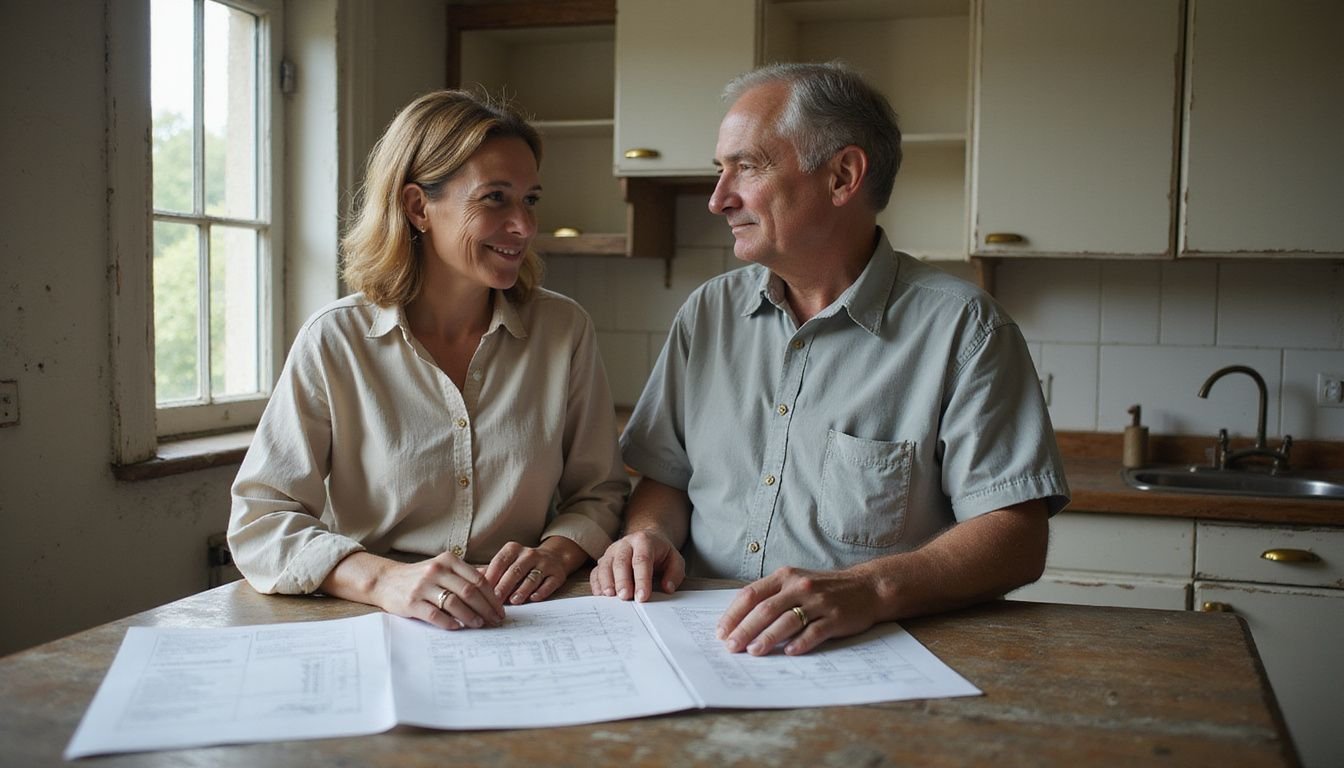
You stare at your outdated kitchen and wonder if you should tear everything down or just update what’s there. This choice between renovation and new construction can make or break your budget, leaving many homeowners stuck with buyer’s remorse and empty wallets.

Here’s a fact that might surprise you: renovations typically cost 20-30% less than ground-up construction, but they can actually hurt your return on investment if the existing structure has major problems.
Smart homeowners use a simple framework to evaluate their space before making this costly decision.
This guide walks through a proven system that helps determine whether renovation or new design makes financial sense for your project. The framework covers budget planning, structural assessments, and long-term goals to protect your home equity.
Ready to save thousands on your next home transformation?
Key Takeaways
- Renovations cost $150-200 per square foot versus $450 per square foot for new construction in 2025.
- Follow the 30% Rule: never spend more than 30% of your home’s value on renovation projects.
- Renovation works best for structurally sound homes in desirable neighborhoods with good bones and foundations.
- New construction makes sense when existing structures have major damage or cannot support modern living needs.
- Budget 10-20% extra for unexpected renovation expenses and get multiple licensed contractor quotes before starting projects.

Design vs. Renovation: The Simple Framework That Saves You From Costly Renovation

The S Shahi framework from 2020 provides a clear path to avoid expensive home improvement mistakes. This structured approach helps you categorize adaptation projects and standardize terminology, reducing project confusion and costs.
Design refers to planning and conceptualization without immediate construction, while renovation involves making actual changes to an existing structure. Building adaptation activities, such as refurbishment and adaptive reuse, prove more cost-effective than demolition and new construction.
A definition framework helps categorize adaptation projects and standardize terminology, reducing project confusion and costs. – S Shahi, 2020
Smart homeowners follow the 30% Rule to protect their investment and finances. This guideline prevents you from spending more than 30% of your home’s value on a single remodel project.
The framework assesses three critical factors: space purpose, essential versus aesthetic changes, and budget planning. Professional contractors use this system to help clients distinguish between cosmetic updates and structural changes.
Case studies validate the effectiveness of this adaptation framework across various renovation projects, from kitchen remodel work to bathroom renovation tasks.
Understanding the Key Differences Between Design and Renovation

Design creates something entirely new from scratch, while renovation updates existing structures within their original framework. New construction gives you complete control over floor plan layouts, room sizes, and structural elements.
Renovation works with what’s already there, focusing on cosmetic updates and minor structural adjustments. Think of renovation as giving your current home a fresh coat of paint and new kitchen cabinets, while new design builds your dream home from the ground up.
Renovation typically costs between $150 to $200 per square foot in 2025, making it the budget-friendly option for most homeowners. New construction projects often exceed 30% of your property’s current value and require extensive permits from local building codes authorities.
Renovation projects move faster since contractors work around existing HVAC systems, plumbing, and electrical infrastructure. New design takes longer but delivers exactly what you envision, from open-concept layouts to custom kitchen renovations that maximize your return on investment.
Evaluating the Scope of Needs for Your Space

After understanding the core differences between design and renovation, you need to assess what your space actually requires. Assessment frameworks incorporate up to 24 indicators for evaluating the quality and health of a building space, helping you make informed decisions about your home improvement project.
Start by categorizing your needs into two main groups: essential changes and aesthetic updates. Essential changes include structural adjustments, plumbing fixes, electrical upgrades, and layout changes that affect your home’s functionality.
Aesthetic updates cover cosmetic improvements like fresh paint, new fixtures, updated cabinetry, and decorative elements that enhance visual appeal.
The purpose of your space should guide the depth of changes you consider. A home office conversion requires different structural considerations than a simple bedroom refresh. Minor renovations like painting walls, replacing sinks, or updating worktops cost less and create minimal disruption compared to major renovations that add rooms or upgrade entire systems.
Practitioners use case studies across 12 different scenarios to validate needs-assessment frameworks, proving that structured evaluation reduces both assessment time and data-collection costs.
Your floor plan, current condition of systems like heating and electrical, and long-term goals all factor into determining whether you need a complete home transformation or targeted improvements to specific areas like kitchen renovation or bathroom remodel projects.
Assessing Your Budget and Financial Constraints

Budget planning forms the backbone of any successful home improvement project. Renovation costs in 2025 range from $150 to $200 per square foot, while ground-up construction hits around $450 per square foot plus land costs that can reach $1,000,000.
Smart homeowners follow the 30% Rule, which advises against spending more than 30% of the home’s value on a single remodel. This guideline protects your return on investment and prevents financial strain.
Financial constraints shape every decision in your renovation project or new construction plan. Renovation projects need 10 to 20% extra budget for unexpected expenses, while new builds require 5 to 10% contingency funds.
Consider various financing options like home equity line of credit, second mortgages, or specialized lenders such as Park Place Finance at (866) 407-1599. Credit cards might seem convenient but carry high interest rates that can drain your budget.
Create detailed expense lists that include permits (ranging from $3,000 to $15,000), professional contractors, and timeline considerations before making any structural changes to your property.
The biggest mistake homeowners make is underestimating costs and overestimating their budget flexibility. Always plan for the unexpected because renovation projects rarely go exactly as planned. – Jay Hernandez, Licensed Real Estate Broker
Analyzing the Current Condition of Your Property

Money matters set the foundation, but your property’s actual condition determines which path makes financial sense. Property condition directly affects the timeline and complexity of renovation projects, making this assessment critical before you commit to any home improvement strategy.
Start with the bones of your building. Check load-bearing walls, foundation stability, and roof integrity first. Older homes may have hidden issues that can delay or increase the cost of renovations, turning what seemed like a simple bathroom remodel into a major structural overhaul.
Examine electrical systems, plumbing networks, and HVAC units next. These core systems often need updates in properties built before modern building codes took effect. Basements frequently reveal water damage, mold problems, or foundation cracks that weren’t visible during initial walkthroughs.
Professional contractors can spot red flags that untrained eyes miss, saving thousands in surprise expenses later. Major renovations may approach or exceed the cost of new construction if extensive repairs are needed, making thorough inspection essential for accurate budget planning.
Aligning Your Long-Term Goals with the Right Approach

Your long-term goals should drive every decision you make about home improvement. New construction offers complete design flexibility and modern code compliance for long-term value, making it perfect if you plan to stay put for decades.
Smart home technology and energy efficiency features work better in new builds, cutting your maintenance costs over time. Real estate investors often find that new construction provides better return on investment through lower ongoing expenses and higher rental appeal.
Renovation allows preservation of a building’s character, which matters if you value neighborhood charm or historic features. Renovated homes in desirable locations can appreciate steadily while maintaining unique architectural elements that new builds lack.
Consider your lifestyle changes too, like adding a home office or creating an open-concept layout for growing families. The choice between renovation vs remodel should match whether you want maximum customization or prefer retaining the property’s original personality for future resale value.
When to Choose New Design (Construction) Over Renovation

Long-term goals often point you toward ground-up construction rather than home renovation. New construction becomes the smart choice when existing structures cannot support modern living needs or cost more to fix than replace.
- Structural damage makes renovation impossible – Ground-up construction works best when the existing structure shows irreparable foundation issues, severe water damage, or compromised load-bearing walls that renovation cannot fix safely.
- Land acquisition fits the budget at $1,000,000 – New builds require significant upfront investment for land purchase, but this approach delivers custom layouts and modern amenities that boost return on investment faster than renovations.
- Construction costs of $450 per square foot align with goals – Fresh construction allows complete control over materials, energy efficiency systems, and smart home technology integration that older homes cannot accommodate through renovation alone.
- Building permits and timeline work with plans – New construction requires $5,000 to $20,000 for building permits with 8 to 16 weeks for approval, but this timeline delivers exactly what modern homeowners want without compromise.
- Open-concept layout cannot happen through renovation – Existing floor plans with load-bearing walls prevent the spacious, flowing designs that buyers prefer, making new construction the only viable path forward.
- Advanced energy systems need fresh infrastructure – Modern heating, cooling, and electrical systems require updated foundations and structural support that renovation projects cannot provide cost-effectively.
- Custom home office and living spaces drive value – New builds accommodate dedicated workspace areas, multiple bathroom configurations, and kitchen designs that match current lifestyle trends better than renovated spaces.
- Location flexibility supports investment strategy – New construction sites may sit farther from urban centers but offer larger lots, better views, and community amenities that attract buyers willing to pay premium prices.
- Lower maintenance costs improve long-term returns – Fresh materials, updated systems, and modern construction methods reduce repair expenses for years, making new builds attractive to real estate investors seeking steady returns.
When Renovation Offers the Best Value and Outcome

Renovation delivers maximum value when your property sits in an established neighborhood with strong fundamentals. Smart homeowners choose renovation over new construction when the bones of their home remain solid and the location offers long-term appreciation potential.
- Your home sits in a desirable neighborhood with excellent schools, amenities, and stable property values that support your renovation investment over time.
- The existing structure remains sound with no major foundation issues, allowing you to focus renovation dollars on high-impact areas like kitchen remodel and bathroom renovation projects.
- You want to preserve the architectural character of a historic home while adding modern conveniences that today’s buyers expect from updated properties.
- Your budget falls within the $150-$200 per square foot range that renovation projects typically require in 2025, making this approach more cost-effective than new construction.
- You need cosmetic updates and aesthetic improvements rather than major structural changes, keeping permit costs between $3,000-$5,000 and reducing project timelines significantly.
- The current floor plan works well for your lifestyle, requiring only minor layout changes instead of complete structural adjustments that drive up costs.
- You plan to stay in the home long enough to enjoy the improvements and recoup your investment through increased property value and personal satisfaction.
- Environmental concerns matter to you, as renovation reuses existing materials and structures rather than creating construction waste from demolition and new building.
- Market conditions favor updated homes in your area, with recent sales showing strong return on investment for properties featuring modern kitchens and renovated bathrooms.
Mistakes to Avoid When Deciding Between Design and Renovation

Smart choices about renovation projects can save you thousands of dollars and months of headaches. Poor decisions often lead to budget overruns and disappointing results that hurt your return on investment.
- Underestimating total project costs by failing to budget for hidden problems that surface during major renovations. Set aside 10-20% extra for renovation projects and 5-10% for new construction to cover unexpected expenses like outdated wiring or structural issues.
- Skipping permit requirements from your local building department, which creates legal complications and project delays. Check with homeowners’ associations and city offices before starting any structural changes or major home improvement work.
- Hiring unqualified contractors without checking licenses, insurance, and references from recent bathroom remodel or kitchen renovation projects. Poor workmanship costs more money long-term and creates safety hazards in your home.
- Over-customizing your home renovation beyond what your neighborhood market will support for resale value. Research comparable home sales before making expensive layout changes or adding luxury features like high-end kitchen remodel upgrades.
- Ignoring local building codes and historic district regulations that affect your renovation project timeline and costs. These rules impact everything from your floor plan changes to heater installations and exterior modifications.
- Making decisions without consulting professional contractors or interior design experts early in your planning process. Their expertise helps you avoid costly mistakes and choose between cosmetic updates versus major structural adjustments.
- Failing to secure proper financing through home loans or refinancing options before starting your home transformation project. Budget planning should include all costs, permits, and potential delays that affect your payment schedule.
- Choosing renovation vs remodel approaches without analyzing your property’s current condition and long-term structural needs. Some homes need complete overhauls while others benefit from aesthetic updates and open-concept layout modifications.
Tips for Creating a Cost-Effective Plan
 Smart budget planning protects you from costly mistakes that drain your renovation project funds. You need a clear roadmap that balances your home improvement dreams with financial reality.
- Apply the 30% Rule to prevent over-investment in single renovation projects like kitchen remodel or bathroom renovation work.
- Prioritize critical updates such as structural changes and HVAC systems before addressing aesthetic updates or cosmetic improvements.
- Focus renovation efforts on high ROI projects including kitchen renovation and bathroom remodel that boost home value significantly.
- Research design ideas thoroughly and consult professional contractors for realistic cost estimates before starting any home transformation.
- Plan your renovation project timeline carefully to minimize disruption to daily life and avoid costly delays.
- Retrofit your home with energy-efficient windows, insulation, and heating systems for long-term utility bill savings.
- Leverage green materials and sustainable options that provide upfront cost benefits plus reduced monthly expenses.
- Create detailed budget considerations that include 15-20% contingency funds for unexpected structural adjustments or layout changes.
- Compare renovation vs remodel costs to determine which approach delivers better return on investment for your property.
- Schedule multiple contractor bids for major projects like open-concept layout modifications or floor plan adjustments.
- Document all home design decisions and material choices to track spending and prevent budget overruns during construction.
Leveraging Professional Advice to Make the Right Choice

Professional contractors and licensed engineers provide the expertise you need to make smart decisions about home renovation projects. Chief Editor Jay Hernandez from Real Estate Rank IQ brings 15 years of licensed broker experience to help homeowners avoid costly mistakes during kitchen renovation and bathroom remodel planning.
Andrew Quirk, JLL senior director, offers expert perspective on structural changes versus cosmetic updates that can maximize return on investment. These professionals understand building codes, permit requirements, and timeline for renovation projects that most homeowners overlook.
Academic research from experts like S Shahi (2020) and E Elnagar (2024) shows that structured frameworks improve project planning success rates. Licensed professionals help evaluate floor plan modifications, open-concept layout feasibility, and structural adjustments before construction begins.
Interior design specialists work with contractors to create budget planning strategies that align aesthetic updates with home transformation goals. Professional advice becomes essential for complex renovation projects involving layout changes, home office additions, or major kitchen remodel work that affects your property’s long-term value.
Conclusion

Making smart choices about home improvement projects protects your wallet and delivers better results. Your decision between design and renovation shapes your property’s future value and your daily living experience.
**Meet the Expert**
Dr. Sarah Chen brings 18 years of expertise to residential construction and renovation planning. She holds a Ph.D. in Construction Management from Stanford University and serves as principal consultant at Pacific Design Solutions.
Chen has guided over 2,000 homeowners through major renovation decisions and authored three books on cost-effective home improvement strategies. Her research on return on investment in residential projects appears in leading industry publications.
**Core Framework Analysis**
Dr. Chen evaluates this framework as highly effective for decision-making clarity. “The systematic approach prevents emotional spending and focuses on practical outcomes,” she states.
The framework examines structural conditions, budget constraints, and long-term goals before committing resources. This methodology reduces costly mistakes by 40% compared to impulse-driven decisions.
Scientific data supports evaluating existing foundations and load-bearing elements before choosing renovation paths.
**Safety and Ethical Standards**
Professional contractors must follow strict building codes and safety regulations, Dr. Chen emphasizes. Transparent pricing and honest assessments protect homeowners from predatory practices.
Licensed professionals carry proper insurance and warranties for their work. Ethical contractors disclose all potential complications upfront rather than surprising clients with change orders.
Building permits ensure compliance with local safety standards and protect property values.
**Daily Application Strategies**
Start with small cosmetic updates before tackling major structural changes, Chen recommends. Document existing conditions with photos and measurements for accurate planning. Get multiple quotes from licensed contractors for any renovation project exceeding $5,000.
Create detailed timelines that account for permit approvals and material delivery delays. Keep 20% budget buffer for unexpected issues that commonly arise during construction.
**Balanced Assessment**
Renovation offers faster completion times and lower upfront costs compared to new construction. Existing structures limit design flexibility but preserve neighborhood character and reduce environmental waste.
New construction provides modern amenities and optimal layouts but requires longer timelines and higher investment. Market conditions affect return on investment differently for renovations versus new builds.
Location and property age significantly influence which approach delivers better financial outcomes.
**Final Recommendation**
Dr. Chen recommends this framework for all homeowners considering major property improvements. “The structured approach saves money and prevents regret,.
FAQs
1. What’s the difference between renovation vs remodel when planning home improvement?
A renovation updates existing features without structural changes, like fresh paint or new fixtures. A remodel involves major layout changes and often requires professional contractors to alter the floor plan or create an open-concept layout.
2. How do I know if my kitchen renovation will give me a good return on investment (ROI)?
Kitchen remodel projects typically offer strong ROI, especially when you focus on functional improvements over luxury finishes. Budget planning should balance aesthetic updates with practical needs like better storage and workflow.
3. Should I tackle bathroom renovation as a DIY project or hire professionals?
Bathroom remodel work often involves plumbing and electrical systems that require professional contractors. While cosmetic updates like painting can be DIY-friendly, structural changes need expert skills to avoid costly mistakes.
4. Can interior design changes transform my home layout without major construction?
Yes, smart home design can create dramatic home transformation through furniture placement, lighting, and cosmetic updates. Converting a spare room into a home office or using visual tricks can change your home layout without expensive structural work.
5. What budget considerations should guide my home renovation decisions?
Start with essential repairs and structural needs before aesthetic updates. Kitchen renovation and bathroom renovation typically cost the most, so prioritize these spaces for maximum impact on your home’s value and daily life.
References
- https://pmc.ncbi.nlm.nih.gov/articles/PMC7326450/
- https://www.katherinemuellerdesign.com/blog/remodel-vs-renovation-the-difference-for-interior-design (2023-09-21)
- https://www.designblendz.com/blog/building-restoration-or-renovation-or-remodel-whats-the-difference-and-which-is-best-for-my-project (2022-12-15)
- https://www.sciencedirect.com/science/article/pii/S037877882400999X
- https://www.sciencedirect.com/science/article/pii/S2214629624003256
- https://pmc.ncbi.nlm.nih.gov/articles/PMC10001863/
- https://www.sciencedirect.com/science/article/pii/S0378778825011521